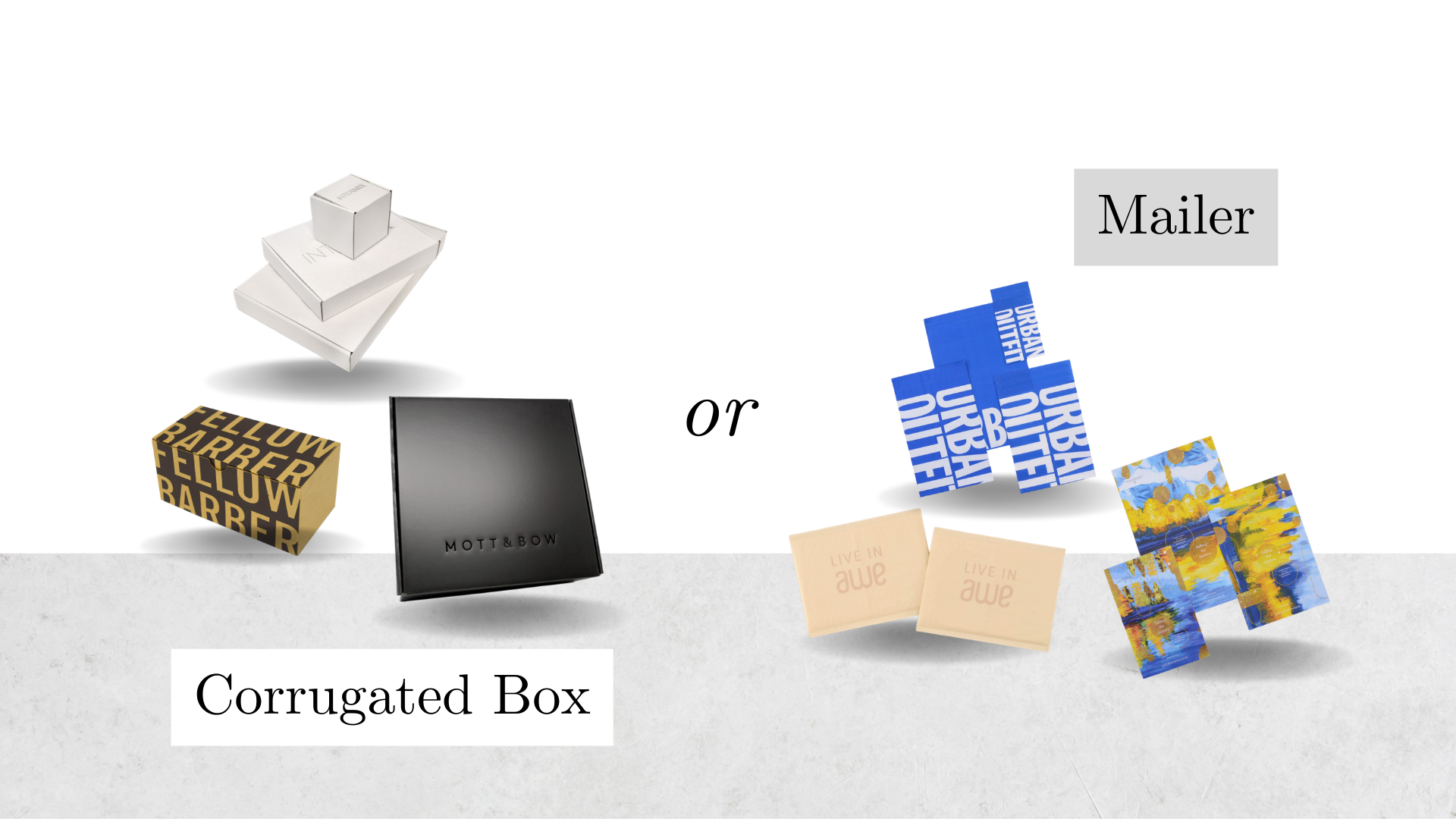
The packaging format you choose isn’t just a logistics call. It’s a brand decision. A sustainability decision. A cost decision. And getting it wrong can mean damaged products, inflated shipping bills, or an unboxing moment that lands with a thud instead of a wow.
The stakes are real. According to Global Market Insights, the global corrugated packaging market was valued at $233.8 billion in 2024 and is projected to grow to $380 billion by 2034 — driven largely by e-commerce growth and the demand for smarter, more sustainable shipping solutions. How brands show up in that space matters more than ever.
Let’s cut through the guesswork. Here’s a practical breakdown of the two most common e-commerce formats — shipping boxes, such as corrugated, and mailers (poly or bubble) — and exactly how to choose the right one for your product, your customer, and your bottom line.
Stop Over-Packaging (or Under-Protecting): The Format Decision That Actually Matters
Some brands default to a format out of habit, not strategy. They use a box because they’ve always used a box — or reach for mailers because they’re built for volume and speed. Both approaches impact you, just in different ways.
Over-packaging can eat into margins and signal waste. Under-protecting can lead to damaged goods, refund requests, and customers who may not return. The sweet spot is intentional: choosing the format that matches your product’s actual needs.
Before you land on a format, answer these four questions honestly:
- What’s the value of your product? High-ticket items — jewelry, luxury goods, premium cosmetics — warrant more protection and a more elevated presentation. A well-crafted box signals care before the customer even opens it. A plain poly mailer in this instance could signal otherwise.
- How fragile is it? Fragility is the single biggest driver of format. If your product can survive a drop test in a padded envelope, a mailer probably works. If it can’t, you may need the structural integrity of a corrugated shipping box.
- What does your brand need to communicate? Packaging is your last brand touchpoint before your product is in the customer’s hands. Is it saying what you want it to say?
- Where is this shipping? Direct-to-consumer? Wholesale to retailers? Via a 3PL? Each channel has different handling conditions, stacking tolerances, and label requirements. Channel should inform format.
Answer those four questions honestly, and the most appropriate format usually reveals itself.
Protection vs. Cost: What Each Format Actually Delivers
Corrugated Shipping Boxes
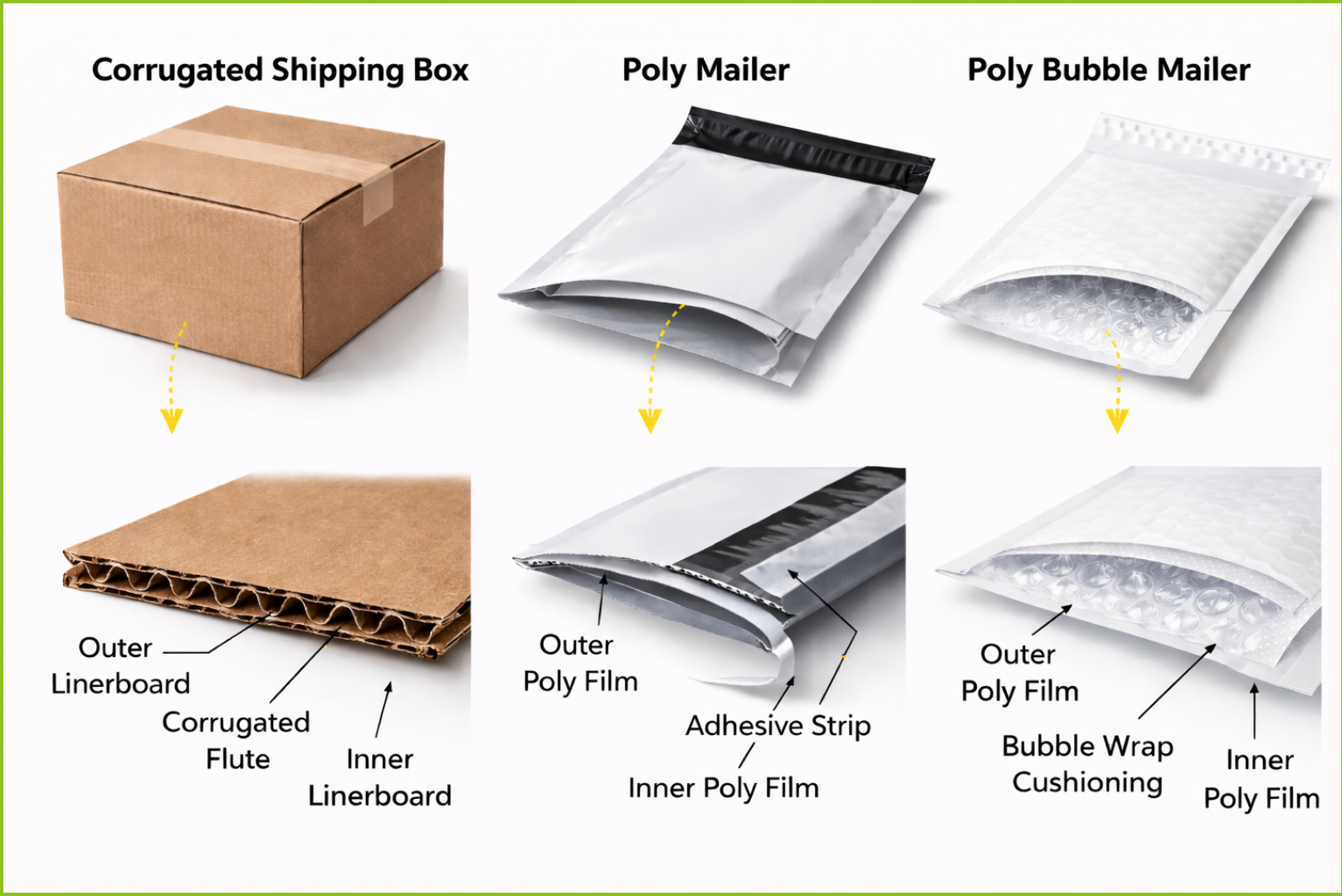
Corrugated cardboard — that wavy fluted core sandwiched between two flat liners — is purpose-built for protection. It absorbs shock, resists crushing under stacking pressure, and provides puncture resistance that mailers can not match.
That protection comes with a real cost: corrugated boxes are bulkier, heavier, and more expensive to produce and ship. But for fragile, high-value, or awkwardly shaped products, that investment pays for itself quickly in reduced damage rates, fewer replacements, and stronger customer trust.
Prime Line’s custom corrugated shipping boxes are available in a wide range of styles and configurations — from standard RSC (Regular Slotted Container) to custom die-cut designs — so you only pay for the structure you actually need.
Poly Mailers
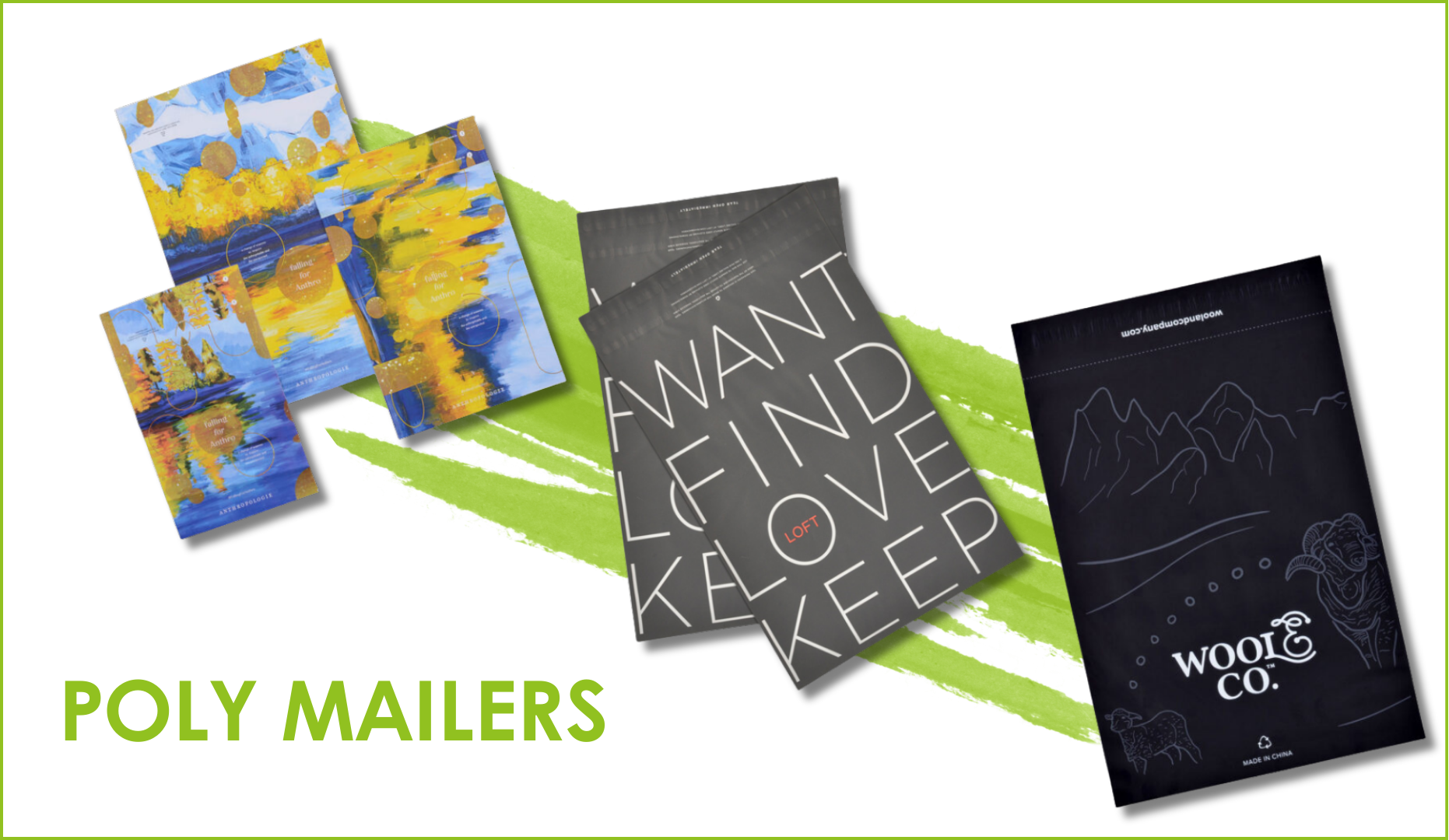
Poly mailers are lightweight, flexible, and built for speed and scale. They’re the go-to for soft goods — apparel, accessories, anything that won’t be crushed — and a favorite of high-volume DTC brands because they’re economical to produce and can keep cost-per-shipment low.
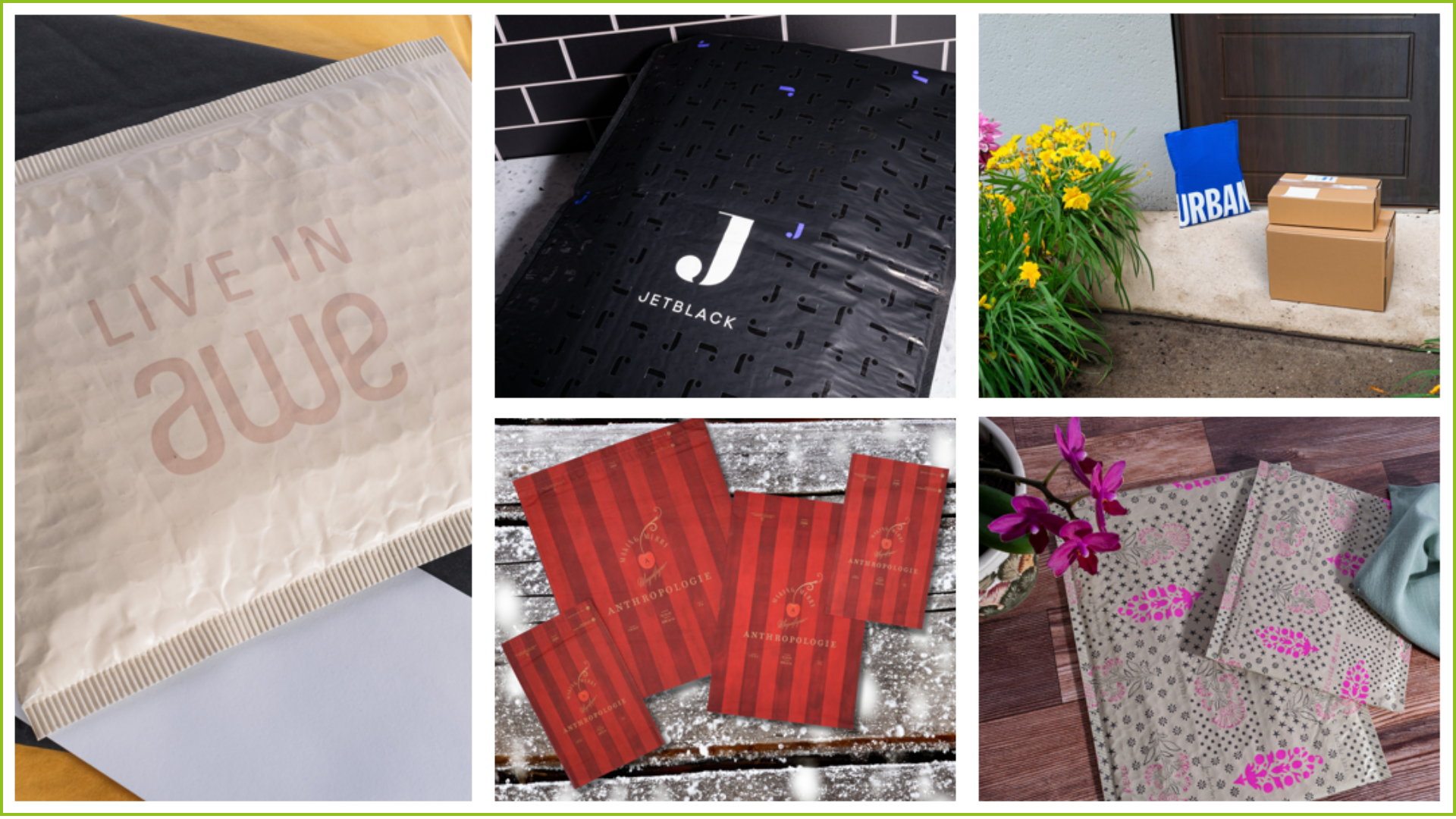
Don’t underestimate the poly mailer. In the right hands — with the right design — it’s one of the most eye-catching formats in e-commerce. A bold, well-branded mailer turns every delivery into a doorstep moment.
Our poly flat mailers are fully customizable — so even at scale, your packaging shows up with intention.
Bubble Mailers
Bubble mailers split the difference. They’re lightweight like poly mailers but bring a layer of cushioning that makes them viable for semi-fragile items — small electronics, cosmetics, jewelry components, and accessories.
One often-overlooked advantage: bubble mailers come in varying bubble sizes. Smaller bubbles provide a snug, uniform cushion for compact or delicate items like skincare and jewelry; larger bubbles offer more aggressive shock absorption for bigger or bulkier products. The right bubble size for your product makes a real difference in protection.
They’re a smart middle ground: more protection than a flat poly mailer, less bulk (and cost) than a full corrugated box. For smaller, lightly fragile products, bubble mailers often hit the exact sweet spot brands are looking for.
Prime Line’s customized bubble mailers give you that cushioned protection and space efficiency — which matters more than most brands realize.
Right-Sizing: The Packaging Mistake That’s Quietly Draining Your Budget
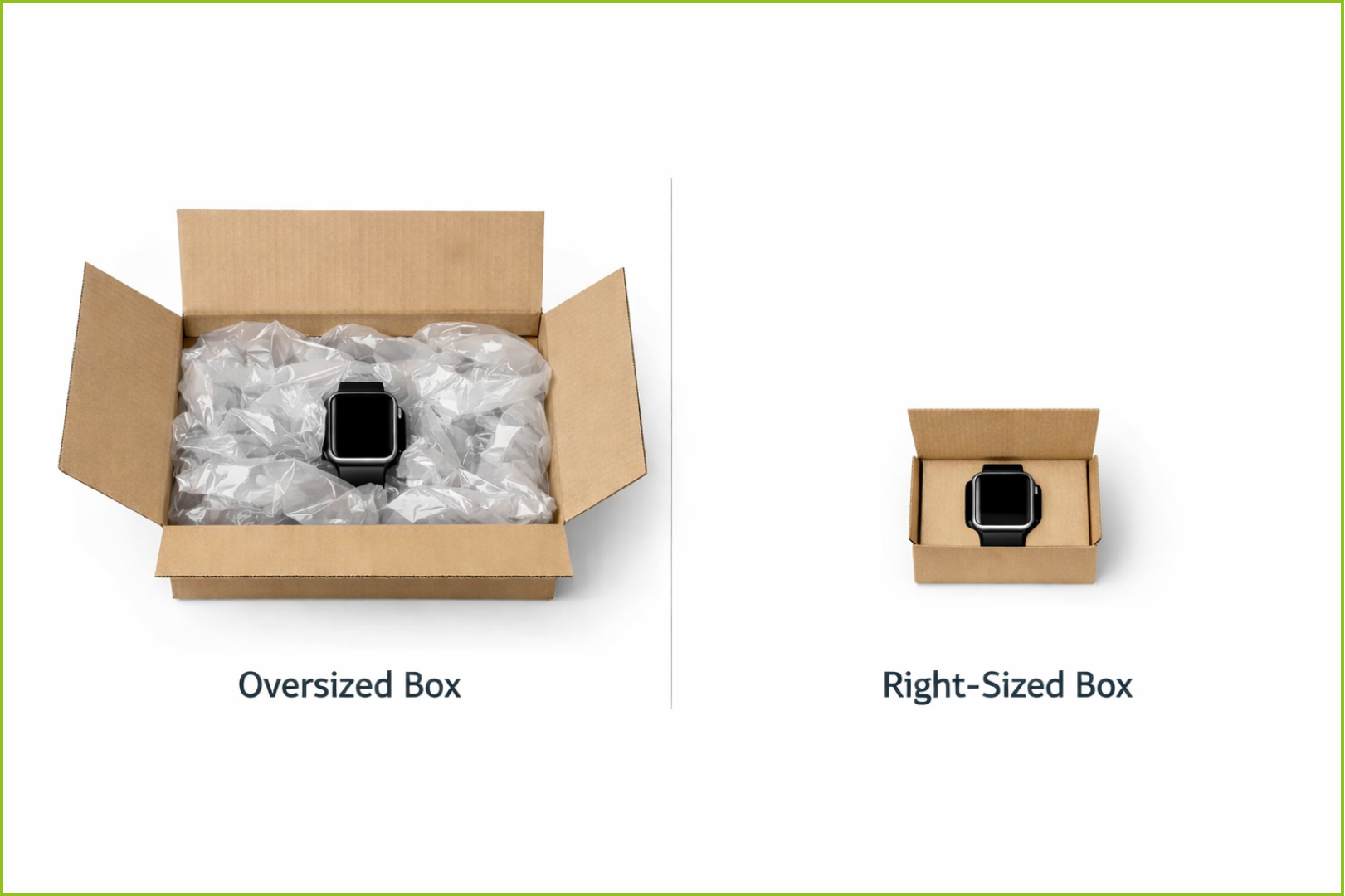
Here’s an uncomfortable truth: oversized packaging is one of the most common — and most expensive — packaging mistakes brands can make.
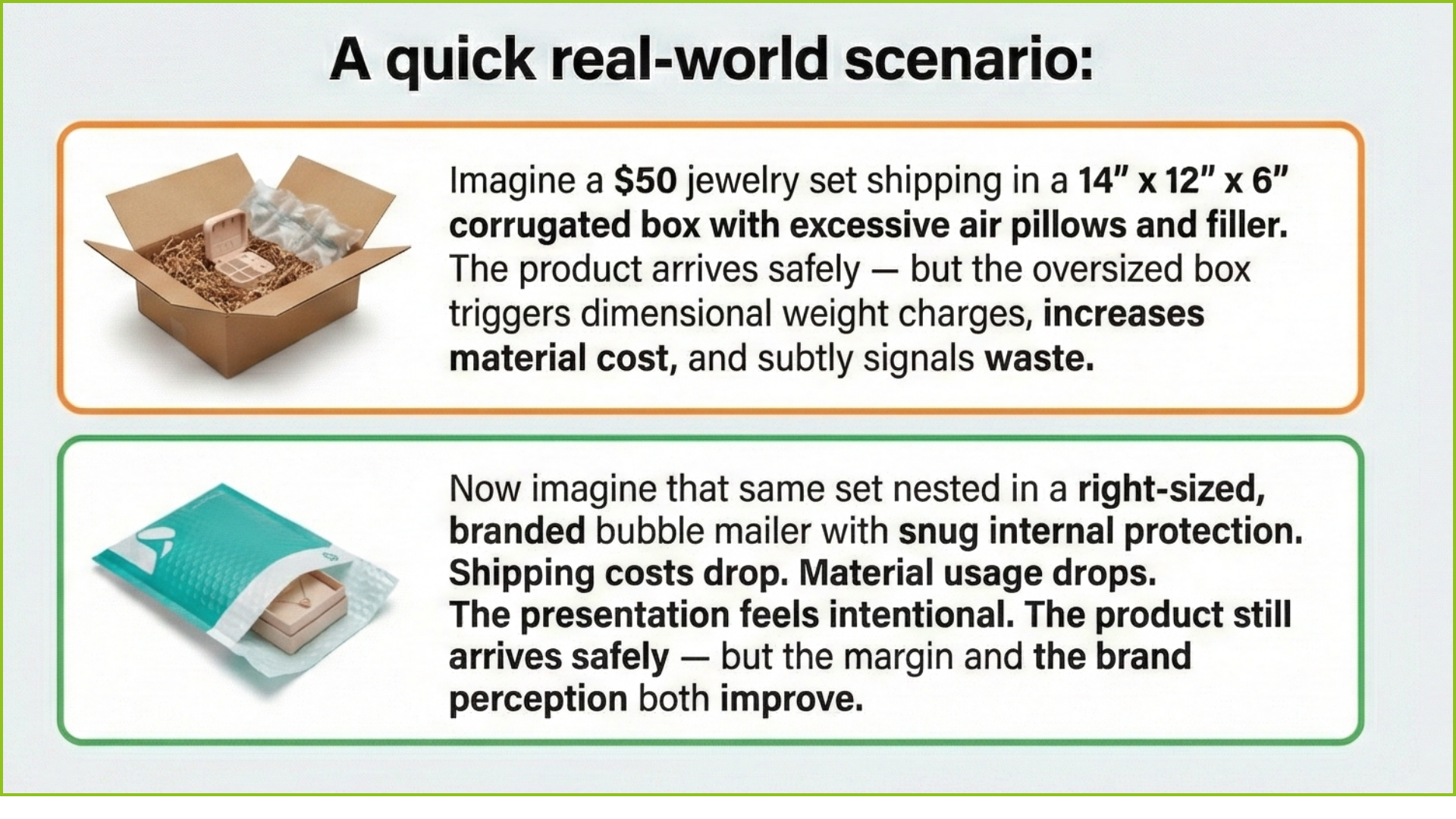
Carriers like UPS, FedEx, and USPS don’t just charge by actual weight. They charge by dimensional weight (DIM weight) — meaning the space your package occupies on the truck matters as much as how heavy it is. An oversized corrugated shipping box stuffed with air filler will cost you significantly more to ship than a snug, right-sized package.
Even within the bubble mailer format, sizing matters — matching bubble size to product dimensions ensures you’re getting the protection your SKU actually needs, not a one-size-fits-all solution.
Right-sizing pays off in three ways at once: lower shipping costs, less material waste, and a better customer experience. A product that fits its packaging properly looks intentional. One rattling around in an oversized box can look like an afterthought.
The rule is simple: if your product ships safely in a mailer, don’t put it in a box. If it needs a box, size it as close to your product dimensions as possible. Every inch you give back to the carrier can save you more.
Boxes vs. Mailers: The Choice That Shapes Your Brand Before Anyone Opens the Door
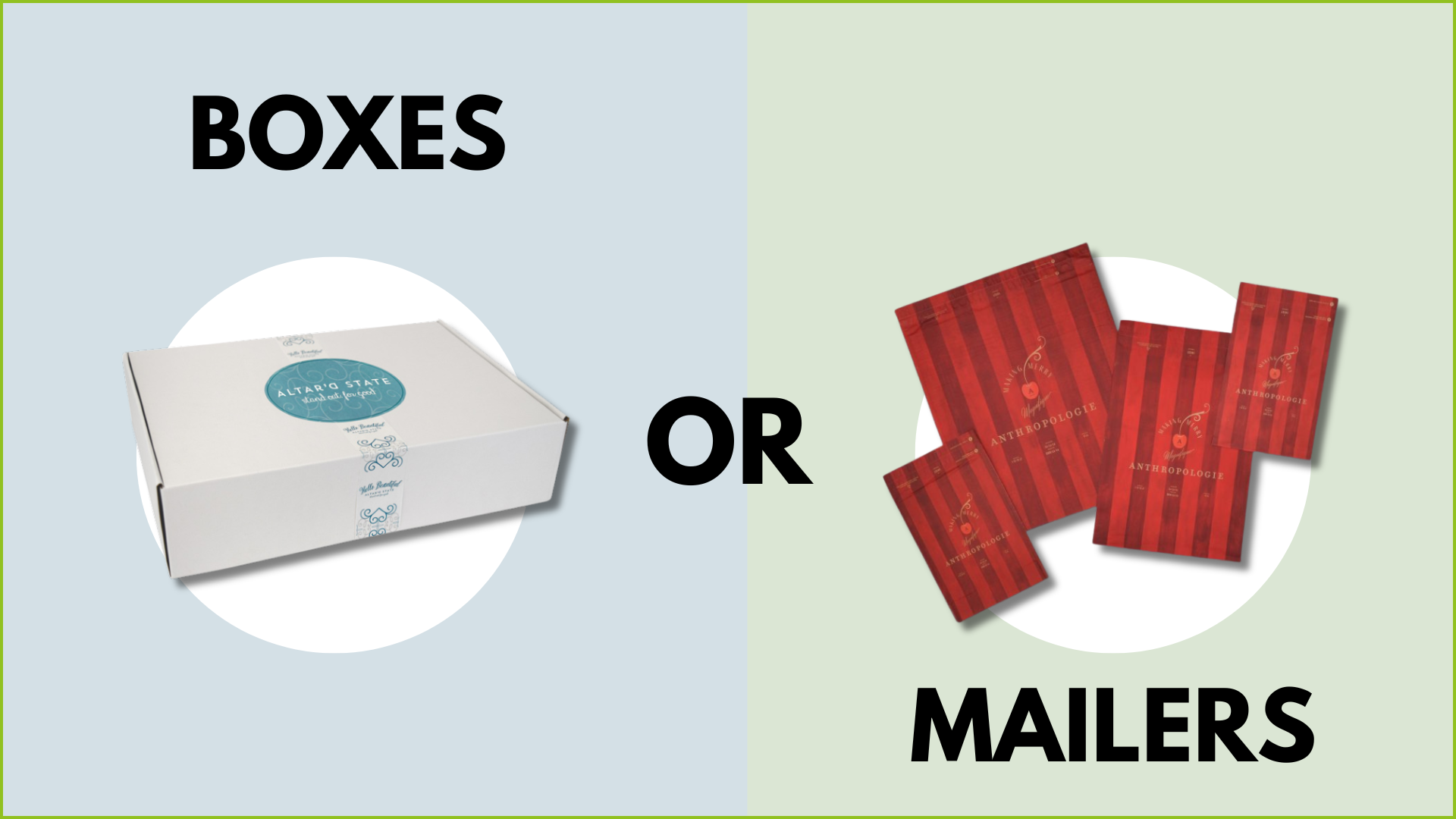
The unboxing moment isn’t a buzzword — it’s a real brand event. And your format sets the stage for the entire experience before a single piece of tape is broken.
Consider this: YouTube unboxing content generated over 25 billion views in 2023 alone. Customers aren’t just opening packages — they’re sharing them, filming them, and building (or breaking) brand perception in real time. Your format is part of that story whether you planned for it or not.
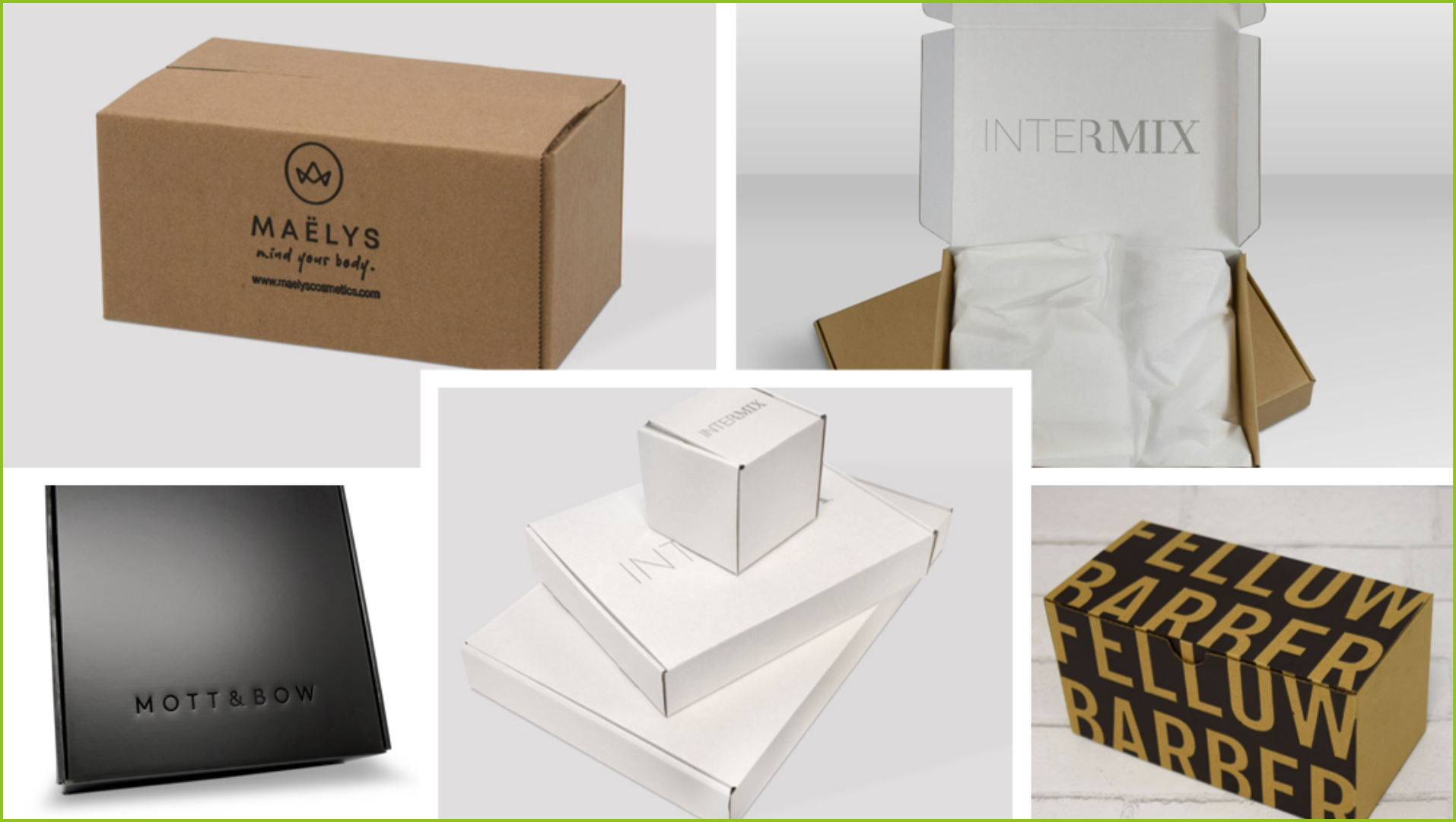
Corrugated shipping boxes offer the most canvas for brand expression. Full-color exterior printing, custom structural shapes, tissue paper, inserts, branded belly bands — the format invites an elevated reveal. Think: a customer slowly lifting a lid to find a beautifully arranged product inside. That’s not just packaging. That’s brand equity being built in real time.
Poly mailers bring their own brand power — bold graphics, vibrant color, and a sleek, modern look that turns heads on a doorstep. Flexographic printing allows for full custom branding at scale, making every delivery a moving billboard for your brand. The format is tailor-made for brands built on energy, accessibility, and speed.
Check out these Free People poly mailers Prime Line designed, that match their viral tote bag, ensuring brand consistency across multiple formats.
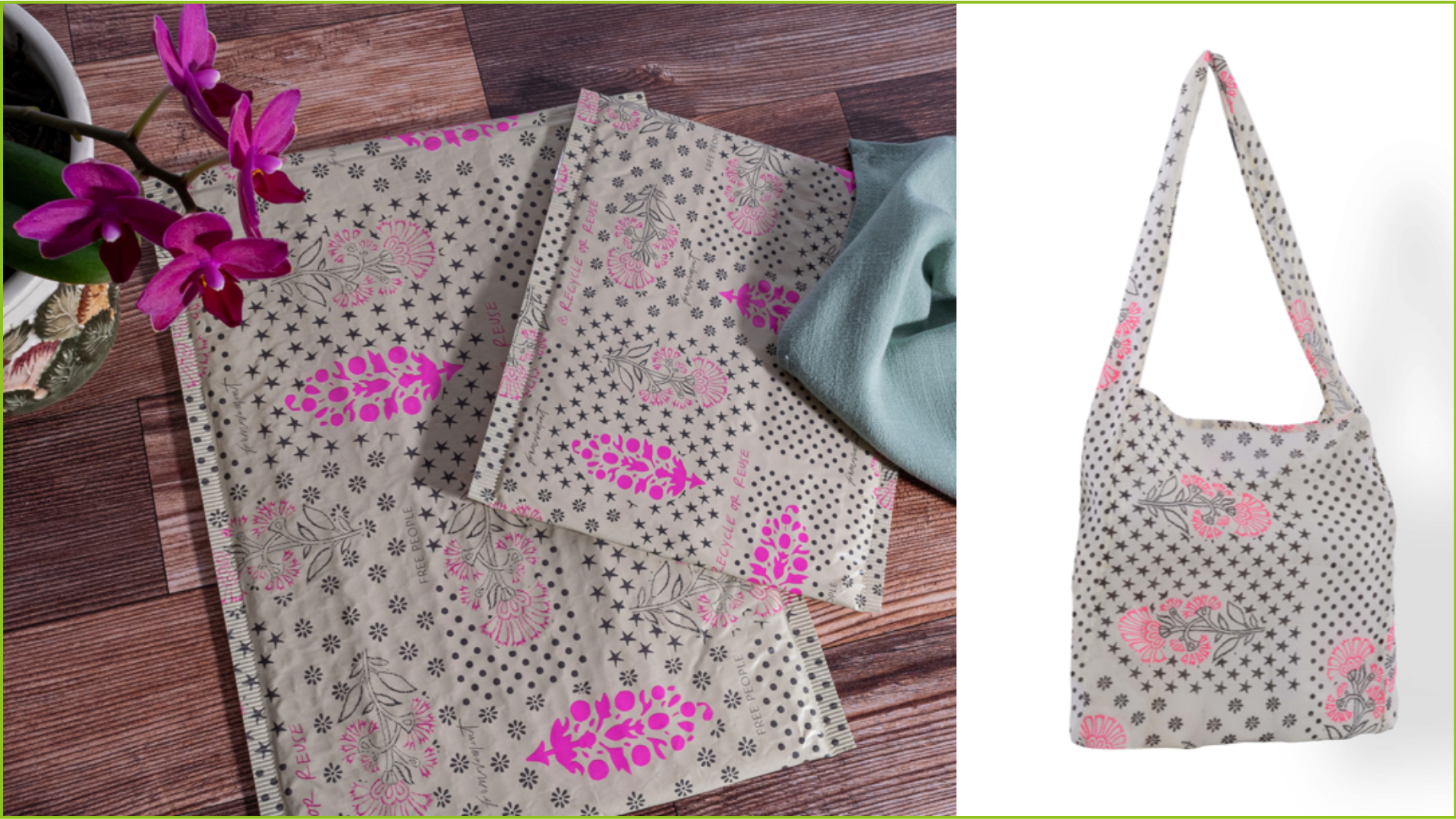
Bubble mailers combine a protective, tactile exterior with strong branding potential — signaling care and intentionality the moment they land in a customer’s hands. For brands that want to stand out without the footprint of a full box, a well-designed bubble mailer delivers serious impact in a compact format.
The key insight: every format has real branding potential when it’s used with intention. The goal is matching your format to your brand’s promise — and making sure every touchpoint, from doorstep to reveal, feels like it was designed that way. Premium brands shipping in generic poly mailers are leaving brand equity on the table. And mass-market brands over-investing in elaborate corrugated packaging may be spending more than their customer expects — or can perceive.
Need proof? Take a look at how Prime Line brought this to life for Anthropologie’s holiday mailer — a format-forward execution that turned a functional shipper into a seasonal brand moment. Or the Awe Inspired Advent Box, where corrugated structure and premium presentation worked together to create an unboxing experience worth sharing.
Match the format to the moment you want to create.
Sustainability: What Happens After the Package Is Opened?
Sustainability has moved from differentiator to baseline expectation. Your customers are paying attention — and packaging is part of the story you’re telling about your values.
The good news? Every format has a viable sustainability path.
Corrugated cardboard is one of the most widely recycled packaging materials in the U.S. According to the American Forest & Paper Association (AF&PA), more than 33 million tons were recycled in 2024, with recovery rates consistently near 70%. Consumers understand how to recycle it, and high recycled content makes it one of the most circular packaging formats available.
Poly and bubble mailers offer a different advantage: weight. Because they’re significantly lighter than corrugated, they reduce fuel consumption and carbon emissions in transit — which matters at scale. Many options include post-consumer recycled (PCR) content and are recyclable through plastic film collection programs.
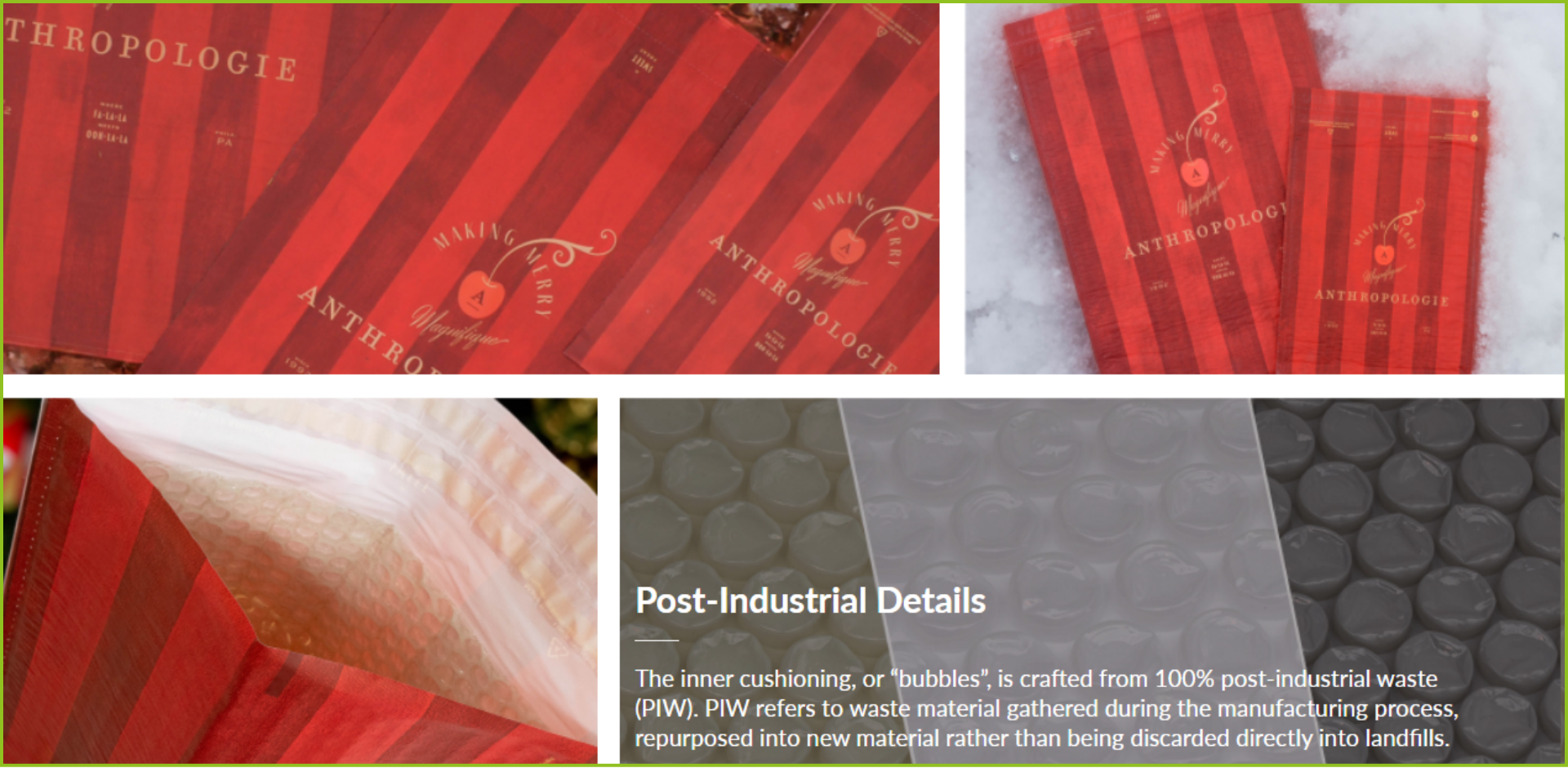
Across all formats, the most powerful sustainability move isn’t just material choice — it’s intentionality. Right-sizing your packaging, eliminating excess void fill, incorporating recycled content, and clearly communicating disposal instructions all reduce environmental impact while building trust.
There’s also a regulatory dimension to consider. Extended Producer Responsibility (EPR) legislation — already active in California, Colorado, Maine, and Oregon — shifts more end-of-life accountability onto brands. The format decisions you make today may carry compliance implications tomorrow.
Sustainability isn’t about choosing one “good” format over another. It’s about aligning protection, efficiency, and environmental responsibility in a way that makes sense for your product and your scale.
When the Answer Is Both: Hybrid Packaging That Gets You the Best of Each Format
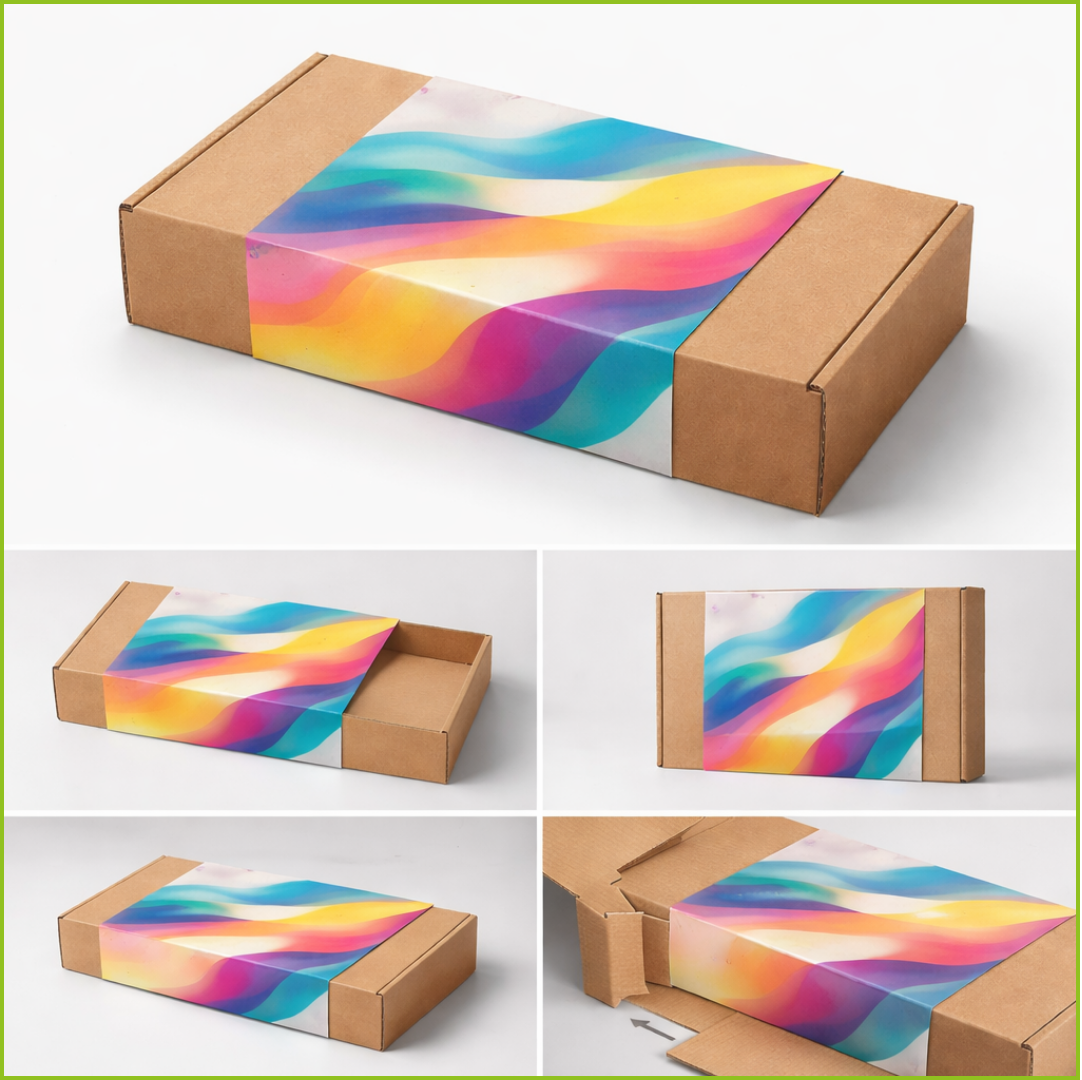
Here’s something the packaging industry doesn’t say loudly enough: you don’t have to pick one format for everything. Some of the most effective packaging strategies are hybrid approaches that combine formats to optimize for protection, cost, and brand experience simultaneously.
Mailer + inner box: Ship in a poly or bubble mailer, but nest your product inside a small rigid or folding carton. You capture the lightweight shipping economics of a mailer while still delivering the structured, branded product experience of a box. Best of both worlds.
Corrugated shipper with a branded sleeve: A plain corrugated outer box wrapped in a full-color printed sleeve keeps production costs lean while delivering a premium exterior impression. The sleeve handles the brand storytelling; the corrugated does the structural work.
Tiered format strategy by SKU: Not every product in your line deserves — or needs — the same packaging. Small accessories might ship efficiently in bubble mailers. Hero products might warrant a custom corrugated box with a full unboxing experience. Build your format strategy product by product, not one-size-fits-all.
Hybrid approaches work especially well for brands scaling from DTC into wholesale or retail, where channel requirements differ but brand consistency still needs to hold.
Stop Guessing. Start Deciding.
There’s no single right answer when it comes to corrugated shipping boxes vs. mailers. There’s only the right answer for your product, your brand, and your customer — and that answer is worth the time it takes to think through strategically.
Start with protection. Layer in brand goals. Factor in shipping costs, right-sizing, and sustainability commitments. And don’t be afraid to mix formats when the situation calls for it.
The brands that get packaging right aren’t the ones with the biggest budgets. They’re the ones who treat every format decision as intentional — not accidental.
Ready to stop guessing? Start a project with Prime Line Packaging and let’s build a format strategy that works as hard as your product does.