There’s a moment every brand hopes to create.
A customer receives a package. They pause. They photograph it before opening it. They keep the box. They post it. They talk about it.
That moment doesn’t happen by accident.
Successful product launches depend heavily on the signals a brand sends to the market — particularly around perceived value and differentiation. In crowded categories, presentation and positioning often matter as much as incremental product changes. Packaging is one of the most immediate and controllable ways a brand can communicate that signal.
Today, limited edition packaging is no longer just protective infrastructure. It’s launch strategy. It shapes perceived value before the product is even revealed — and in an era of unboxing culture, resale markets, and social amplification, it often outlives the product itself.
When executed intentionally, limited edition packaging becomes part of the story — and sometimes the headline.
Here’s how to approach it with the rigor it deserves.
1. Format Strategy: Functional, Experiential, or Hybrid?
Every limited edition launch begins with a structural decision.
Standard formats — custom folding boxes, poly mailers, paper shopping bags — offer scalability and efficiency. For high-volume launches, they often make strategic sense.
Rigid setup boxes introduce weight, resistance, and ritual. The lift of the lid. The quiet pull of a magnetic closure. Premium is communicated before a single word is read. For higher price points and giftable drops, structure becomes narrative.
Hybrid constructions — reinforced paper bags with custom accessories, gift-boxes with drawers, mailer-plus-inner-box combinations — balance experiential impact with operational realities.
The right format depends on three variables:
- Production volume
- Price point
- The emotion you want the customer to feel in the first three seconds
Limited edition packaging succeeds when structure aligns with intention.
2. The Capsule & Collaboration Effect
Drop culture has made packaging central to brand storytelling. In many launches, it becomes the most photographed element.
Free People: When Packaging Becomes the Product
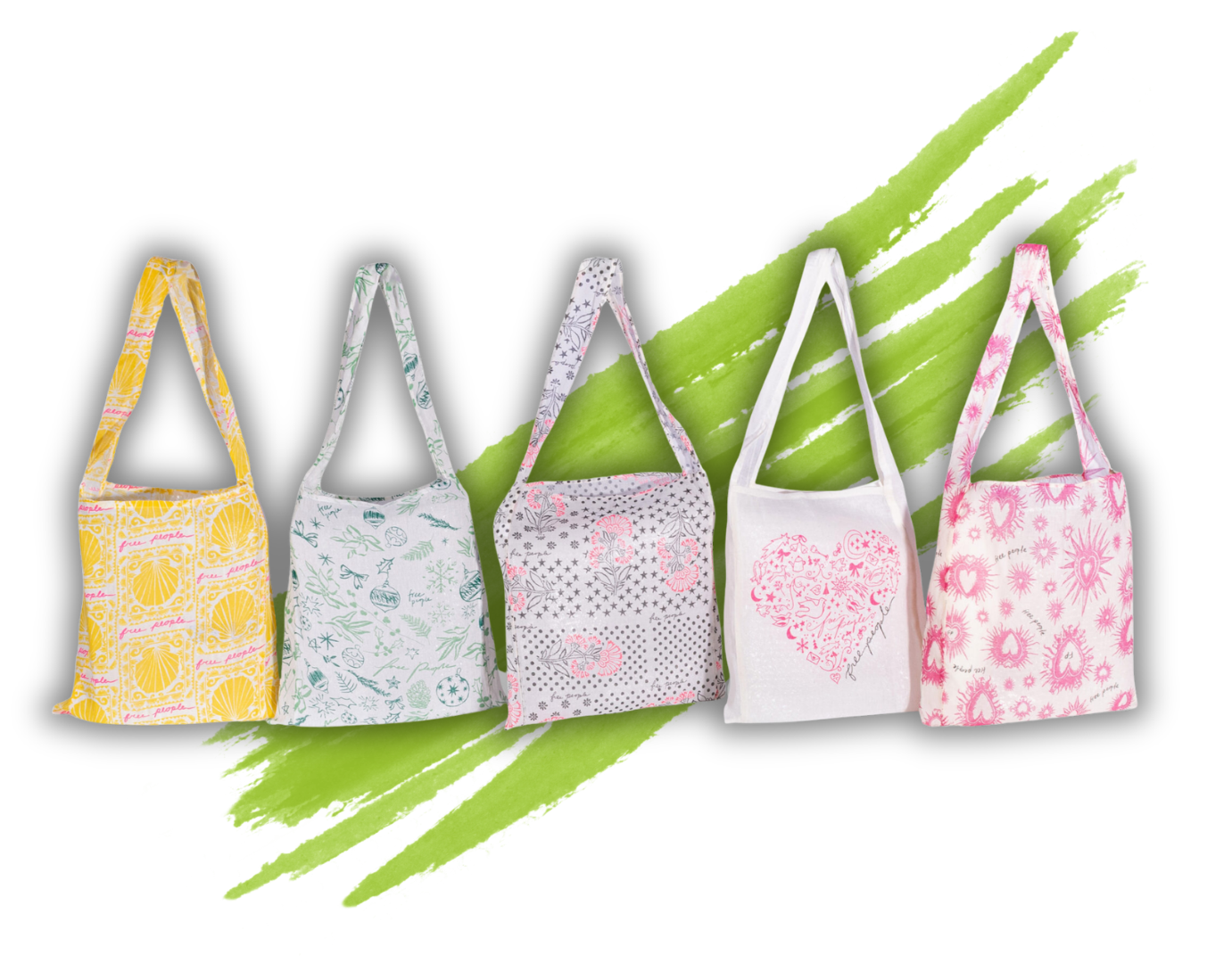
Free People’s seasonal totes routinely circulate on sidewalks, in resale markets, and across TikTok. Fashion outlets have covered the phenomenon, noting how certain designs become street-style staples.
This is limited edition packaging functioning as merchandise, accessory, and earned media engine simultaneously.
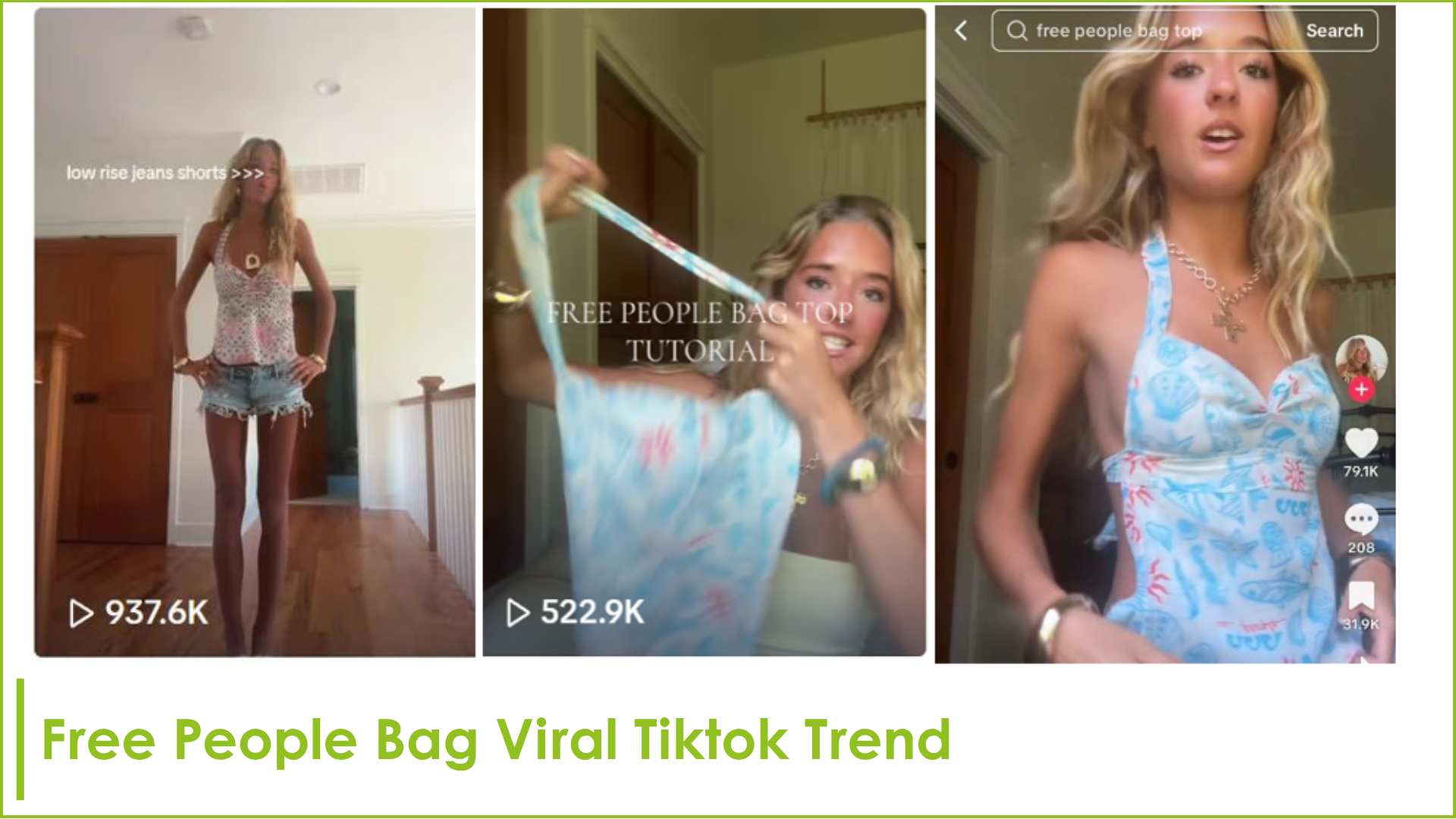
When packaging is designed for longevity — not disposal — exposure compounds. A tote reused daily, or transformed into a viral #bagtop, becomes recurring brand visibility.
Bloomingdale’s: Retail as Immersive Packaging
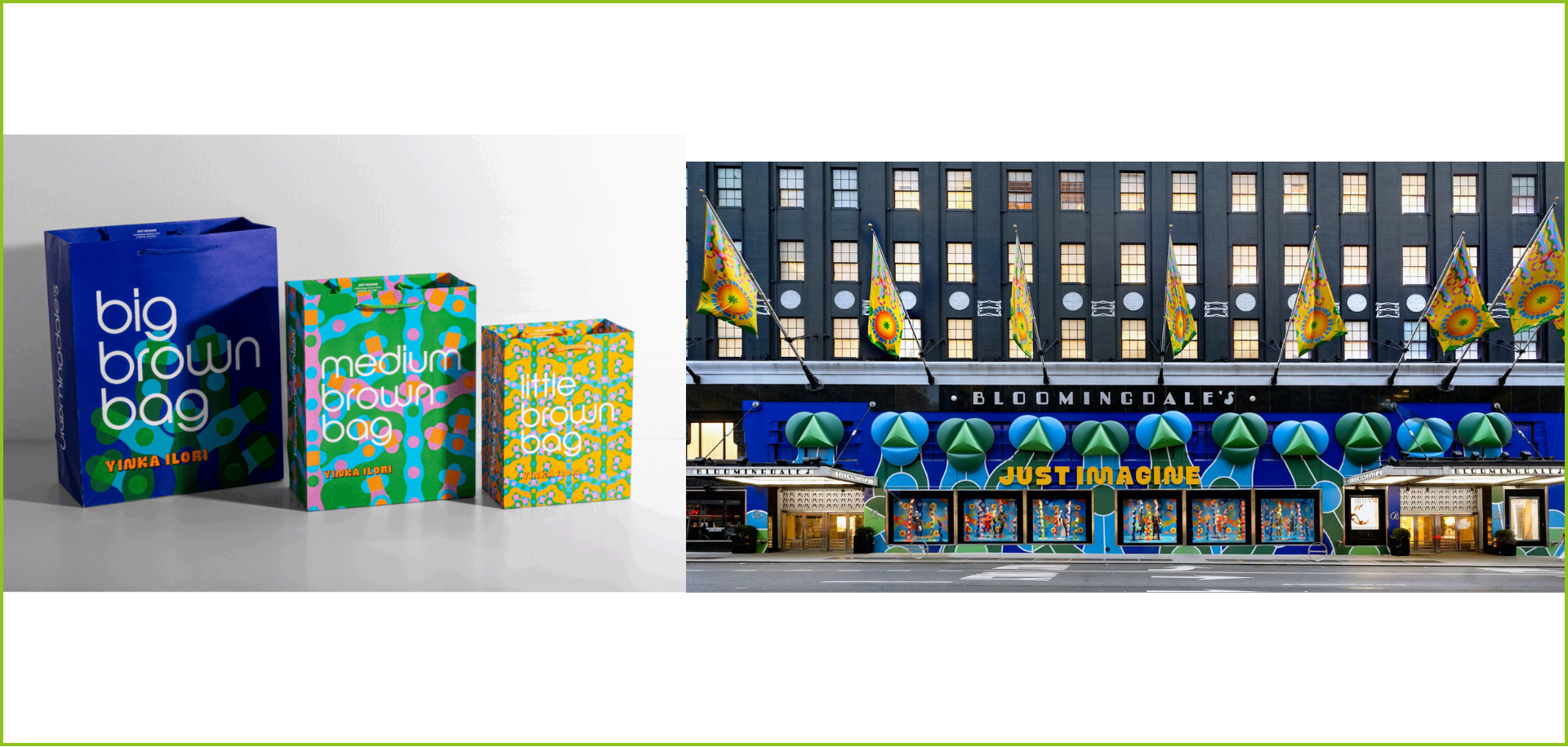
For its Just Imagine campaign, Bloomingdale’s partnered with artist Yinka Ilori, transforming retail space into an immersive art installation.
The campaign bags extended that experience beyond the store. They weren’t transactional carriers; they were collectible artifacts tied to a cultural moment.
The formula is consistent:
- Artist collaboration
- Seasonal timing
- Limited product availability
- Visually distinctive packaging designed to be kept
Limited edition packaging amplifies the narrative long after the purchase.
3. Cross-Industry Proof: Packaging as Cultural Signal
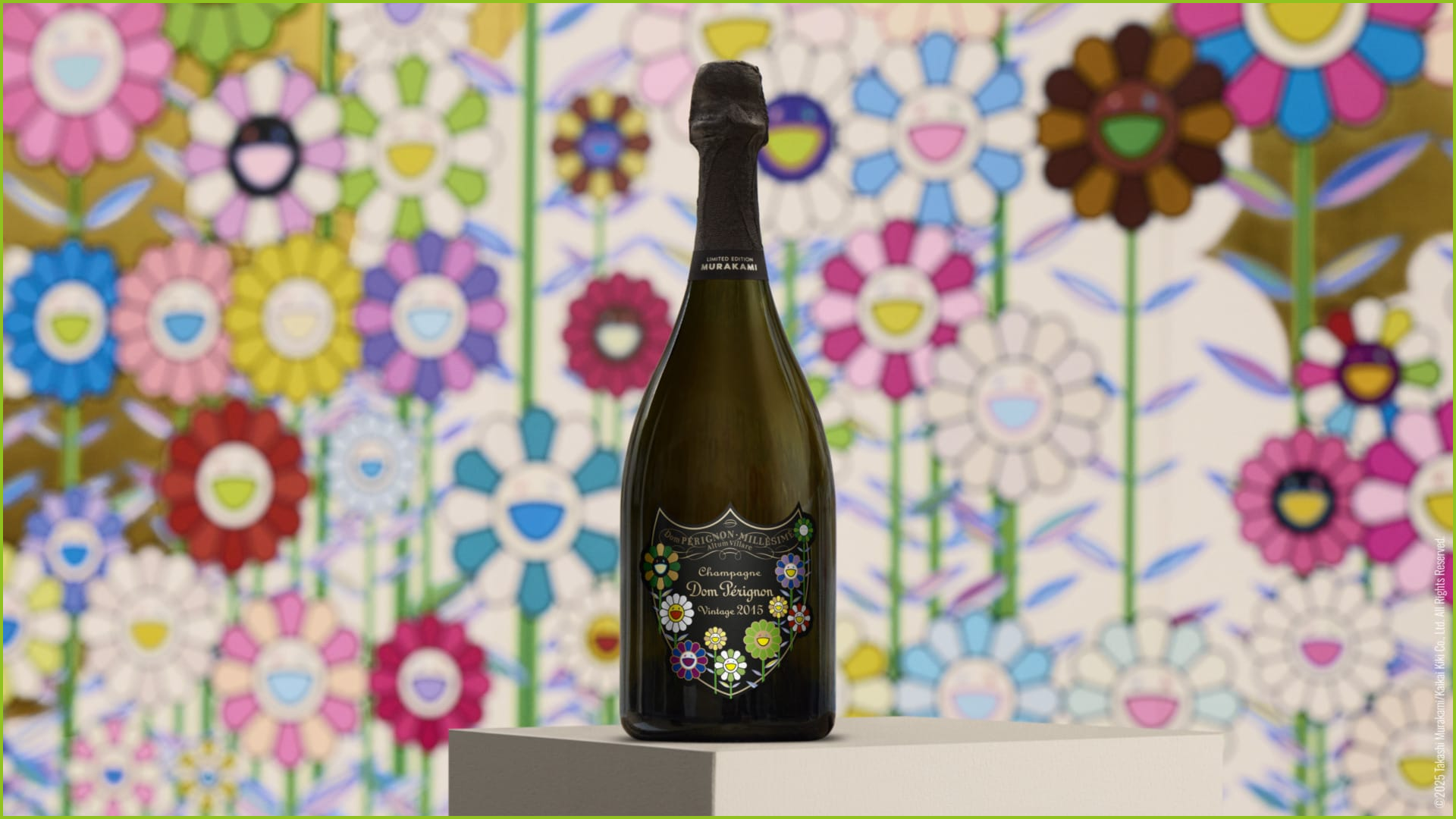
Photo courtesy of Dom Perignon
From fashion to luxury spirits, brands across categories are using limited edition packaging to create cultural relevance.
A notable example is Dom Pérignon’s collaboration with Takashi Murakami, where presentation became as collectible as the bottle itself. The liquid didn’t change — the storytelling did. Packaging transformed the launch into a cultural artifact.
The takeaway isn’t about champagne bottles. It’s about how packaging carries narrative weight.
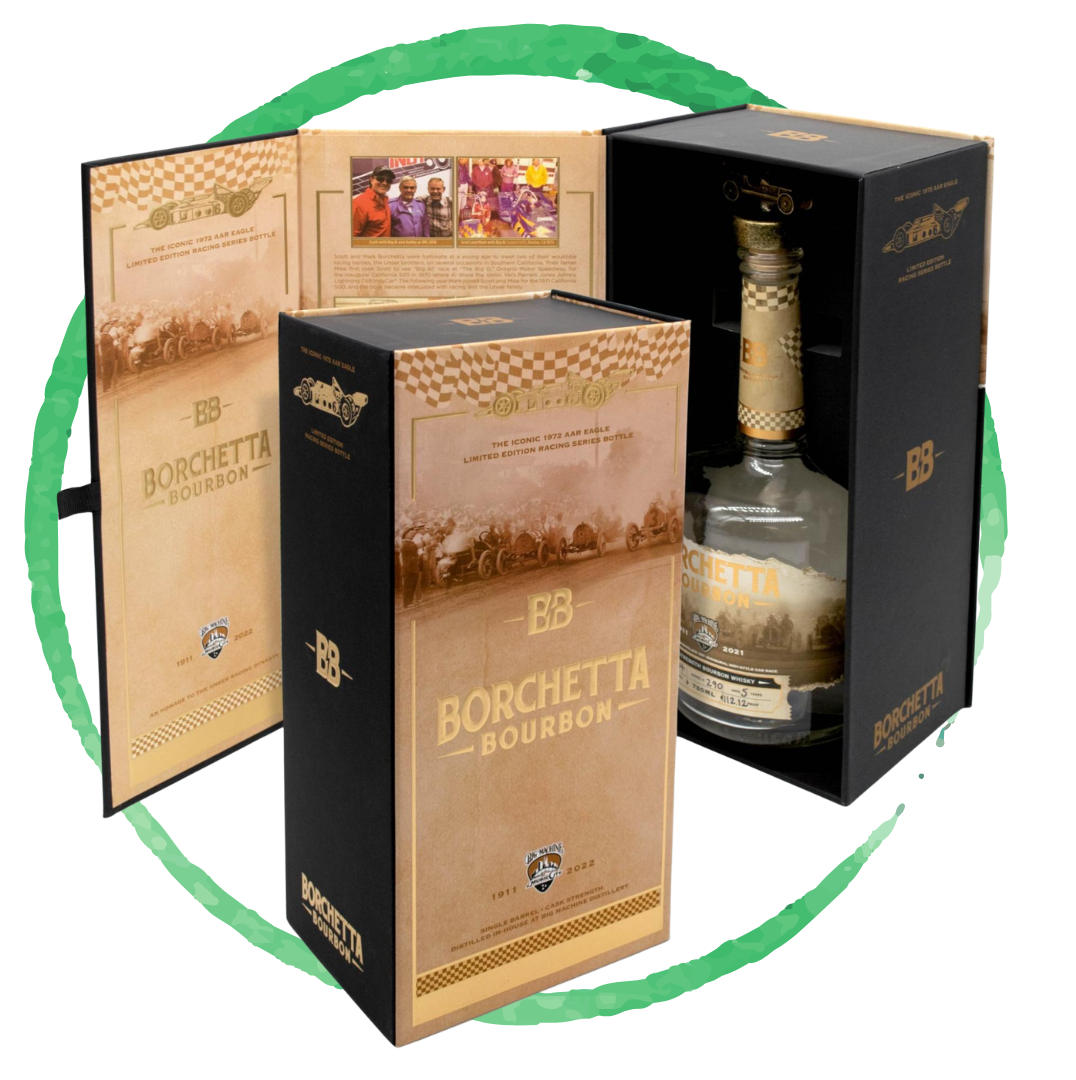
In premium beverage categories, rigid presentation boxes, foil-stamped panels, sculptural inserts, and heritage-driven graphics elevate a release from product to collectible.
Prime Line has applied this same strategic approach in the spirits category — including the limited edition Borchetta Bourbon racing series presentation box shown below, designed and produced to reflect heritage, craftsmanship, and giftable prestige.
Whether it’s champagne or bourbon, the structure that frames the bottle often defines the moment.
4. Finishes That Signal Collectibility
In limited edition packaging, finishes are strategic cues.
High-impact options include:
- Selective foil for contrast and visual hierarchy
- Soft-touch coatings paired with spot UV for tactile depth
- Serialized numbering (“47 of 500”) to create scarcity psychology
These decisions should be made early. Substrate compatibility, production timelines, and dieline constraints must align before artwork is finalized. Late-stage adjustments can compromise both cost and impact.
Intentionality at the beginning protects brand equity at the end.
5. Designing for the Afterlife
If someone kept only the packaging, would it still feel worth keeping?
A canvas tote that becomes a daily carry. A rigid setup box repurposed for storage. A campaign bag that circulates on social feeds for months. Those are examples of packaging that lives beyond the launch — and in doing so, increases brand exposure long after the product is sold.
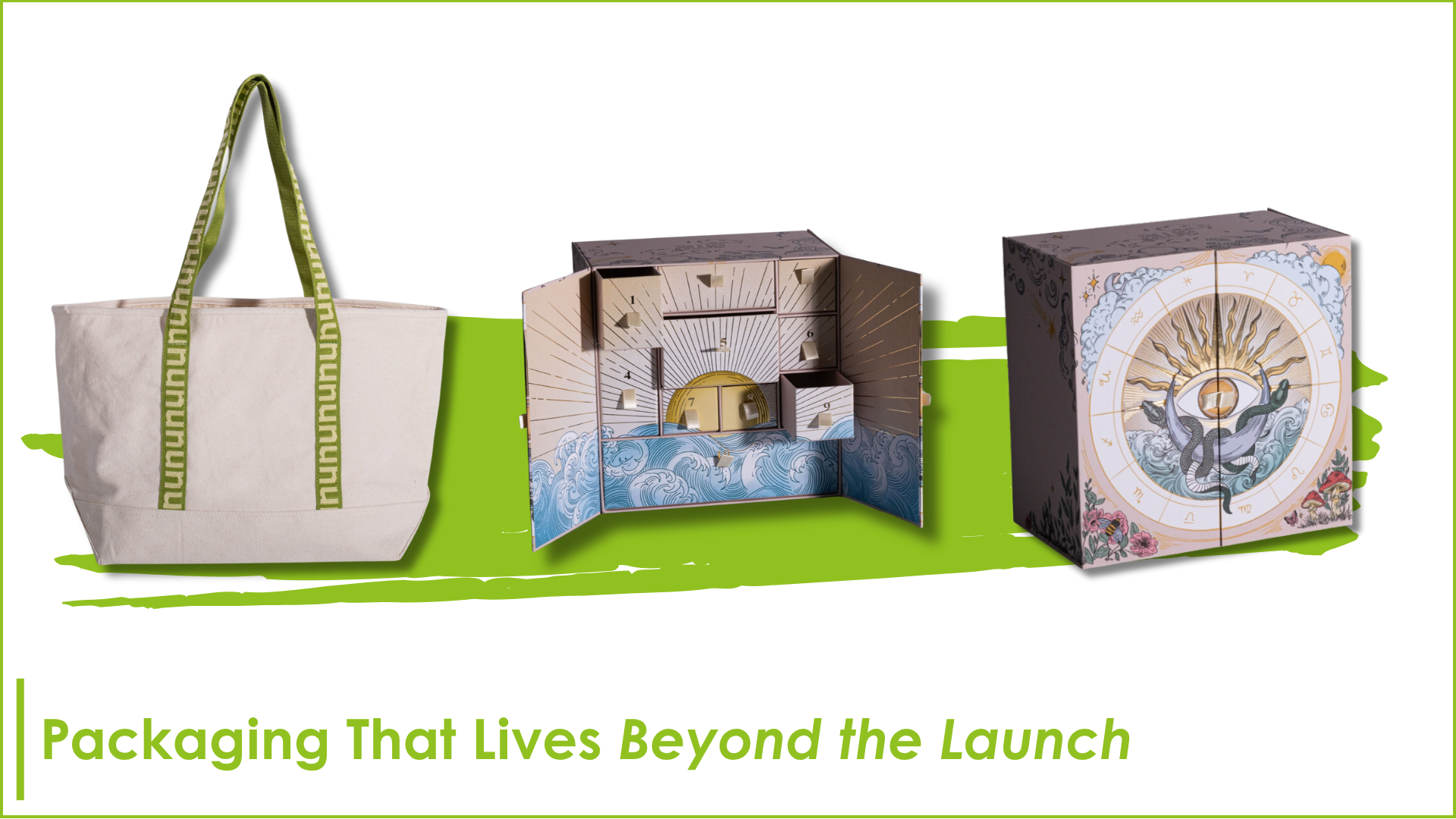
This phenomenon isn’t hypothetical — it’s already happening. In our own portfolio, a seasonal Free People bag produced for a promotion became a viral fashion moment, resurfacing in earned social coverage and driving ongoing conversation well beyond the initial release window (see our examination of how that bag became a TikTok trend).
Durable limited-edition packaging doesn’t just reduce waste; it extends the brand’s reach, becoming part of the customer’s daily life and the cultural conversation around a product.
6. Launch Discipline: Precision Protects Prestige
High-visibility launches leave little margin for error.
Before production:
- Verify dielines against manufacturer specifications
- Test structural integrity under distribution conditions
- Confirm finish durability (scuff, adhesion, rub resistance)
- Review physical samples — not just digital renders
Build contingency time into every limited edition launch. Precision protects prestige.
Packaging as Brand Infrastructure
The most effective brand teams treat limited edition packaging as infrastructure — not a procurement afterthought.
Free People’s viral totes.
Bloomingdale’s artist-driven retail capsules.
Borchetta Bourbon’s limited-edition racing series presentation box.
Different industries. Same principle.
When packaging is culturally timed, structurally intentional, and visually distinctive, it doesn’t simply protect a product.
It creates the moment — and extends it.
When packaging becomes infrastructure, launches become moments.
If you’re building one, we should talk,