Custom Cosmetic Packaging That Helps Beauty Brands Stand Out, Sell More, And Stay Memorable
Beauty brands don’t get much time to make a first impression. A customer might notice your product on a crowded retail shelf, scroll past it in a social ad, or see it for a split second in a product roundup. In that small window, packaging does much of the heavy lifting. It signals quality, gives people a feel for your brand, and shapes whether your product looks giftable, premium, clean, playful, or forgettable.
Packaging isn’t just a protective layer around the product. It acts like a silent salesperson that adds story, value, and presence before the formula is ever tested. Our recent coverage of beauty pouches, gift boxes, palette packaging, and makeup branding all point to the same business truth: strong packaging helps beauty products stand out and stay top of mind.
That matters even more now because custom cosmetic packaging expectations keep rising.
Why Packaging Matters In Beauty
Beauty is one of the most visual product categories in the market. Customers often judge the experience before they judge the formula, and that makes packaging part of the product, not just part of fulfillment. A lipstick carton, skincare set box, or palette sleeve all help shape expectations around performance, price point, and brand identity. If the outside feels generic, the product inside can feel less special, even if the quality is excellent. This is why custom makeup packaging is the key to building a beauty brand that sells.
For growing beauty businesses, the message is simple. Your packaging should help customers feel confident that your product belongs in their routine. That confidence starts with thoughtful design, but it also depends on structure, material, finish, and fit. A smart packaging strategy helps you look established sooner, even if your brand is still in its early growth stage.
What Strong Packaging Really Needs To Do
A good-looking box isn’t enough on its own. Beauty packaging has to work across branding, product protection, logistics, and customer experience simultaneously. The best results come from treating it as a business tool rather than a decoration.
Strong packaging usually needs to do a few things well:
- Protect delicate products during shipping, stocking, and handling.
- Make the item feel aligned with the brand’s price point.
- Communicate key product details clearly and cleanly.
- Photograph well for ecommerce, ads, and social content.
- Create a better unboxing moment that customers remember.
That mix is what separates average packaging from packaging that actually supports sales. An eyeshadow palette box, for example, has to look polished, protect pans from damage, and still feel compact enough to display and ship efficiently. A skincare gift box might need inserts, premium finishes, and a structure that makes multi-item presentation feel intentional instead of crowded.
This is where many brands lose momentum. They focus only on colors and logos, then realize too late that the box crushes easily, the insert doesn’t hold the product securely, or the design doesn’t show up well online. A better process starts with goals for your beauty packaging. Are you trying to look more premium, improve retail presence, launch a seasonal set, support influencer mailers, or reduce shipping damage? Those answers shape the right packaging decisions early.
Packaging Styles That Fit Different Beauty Products
Not every beauty product needs the same presentation. The structure should reflect how the product is used, sold, and perceived. A single-item makeup carton has different needs than a holiday set or travel pouch. That’s why beauty brands benefit from a broader packaging system instead of a one-size-fits-all approach.
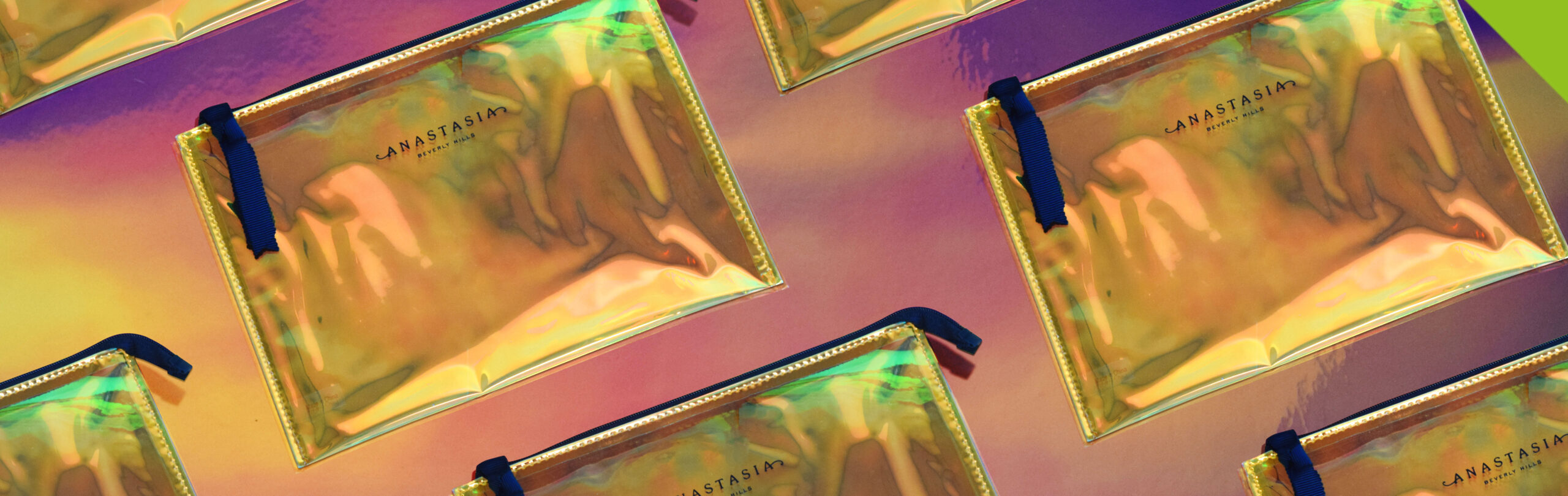
For example, beauty pouches add portability and convenience, especially for brushes, travel items, and gift-with-purchase campaigns. Gift boxes raise perceived value and work well for skincare kits, limited editions, and launch bundles. Reusable bags extend brand visibility long after checkout, and palette packaging plays a major role in shelf presence for color cosmetics.
Common options beauty brands should consider include:
- Folding cartons for everyday makeup and skincare items.
- Rigid boxes for premium sets, PR kits, and gifting.
- Sleeve-and-tray formats for a polished unboxing flow.
- Insert-based boxes for collections with multiple pieces.
- Zipper or fabric pouches for brushes, minis, and travel assortments.
- Shopping bags and reusable carriers for in-store presentation.
The right structure also depends on your sales channel. Retail-focused packaging has to grab attention quickly and stand out in a lineup. Ecommerce packaging needs to survive transit and still arrive looking clean and giftable. Subscription or launch packaging may need an even more layered experience, especially if the goal is shareable content or influencer engagement.
Smaller brands sometimes assume they need the flashiest possible setup. In reality, the better choice is often the one that feels most aligned. A clean matte carton with sharp typography can outperform an overdesigned box if it aligns with the brand personality and meets customer expectations. Beauty buyers are quick to notice whether a package feels considered or forced.
Design Choices That Influence Buying Decisions
Design shapes how people feel about your brand before they read a single word. Color, typography, spacing, imagery, finish, and form all work together to create a message. That message should be consistent enough to build recognition but flexible enough to support different products and collections.
In the beauty space, customers often look for visual cues to help them quickly place a product. Minimal packaging can signal modern skincare or clean beauty. Bold metallic accents can suggest glamour or gifting. Soft-touch finishes and refined structure can make a brand feel more luxurious without saying much at all. Packaging should communicate who the product is for and why it deserves attention.
A few design elements tend to carry the most weight:
- Color palette that matches the product line and target customer.
- Typography that feels readable and distinctive.
- Logo placement that supports recognition without crowding the design.
- Finishes like foil, embossing, or soft touch that add tactile value.
- Interior details that make the unboxing feel complete.
Consistency matters here. A customer should be able to recognize your brand whether they’re looking at a mailer, shelf box, pouch, or shopping bag. That doesn’t mean every package must look identical. It means the system should feel connected. The strongest beauty brands build that connection through repeated details, not repetition for its own sake.
It also helps to remember that packaging is often seen first on a screen. Your design has to read well in thumbnails, paid ads, marketplace listings, and social posts. Fine details are great, but the overall silhouette and visual hierarchy need to land immediately.
Materials, Finishes, And Sustainability Expectations
Material choice affects more than just durability in cosmetics packaging; it also shapes how premium the product feels, how easy it is to ship, and how customers judge your brand values. In beauty, texture matters almost as much as appearance. A sturdy, rigid box creates a very different impression than a thin carton, and a well-made pouch creates a different emotional response than a standard insert.
That’s one reason finishes matter so much. Matte lamination can feel modern and elevated. Gloss can add energy and color pop. Foil stamping, embossing, spot UV, and custom inserts can all elevate the presentation level when used with restraint. The goal isn’t to pile on effects. The goal is to make the right details feel intentional.
How Great Packaging Supports Ecommerce and Retail Growth
Custom beauty packaging has to perform across more touchpoints than ever. A product may be found through Instagram, purchased on a Shopify store, unboxed at home, and then repurchased in retail later. That means your packaging needs to function as marketing, merchandising, and customer experience all at once.
For ecommerce, the biggest wins usually come from reducing damage, improving presentation on arrival, and creating more shareable unboxing moments. People don’t post about forgettable packaging. They post packaging that feels polished, photogenic, and satisfying to open. That kind of experience can support word of mouth in a way standard shipping materials rarely can.
A strong packaging system can help beauty brands:
- Improve perceived value without changing the formula.
- Create better giftability for holidays and special launches.
- Support cleaner product photography and ad creative.
- Make line extensions feel more cohesive.
- Encourage repeat purchases through a better overall experience.
Growth often comes from those small improvements stacking up. Better packaging doesn’t fix a weak product, but it can absolutely help a strong product get the attention it deserves.
Choosing The Right Packaging Partner
Packaging projects move faster and turn out better when the strategy starts early. Waiting until the final phase of a launch usually leads to rushed decisions, awkward compromises, and extra costs. A better path is to work with a packaging partner that understands structure, brand presentation, production realities, and how beauty customers actually shop.
That partner should help you think through more than artwork. You want guidance on size, substrate, inserts, finishing options, shipping demands, merchandising goals, and how each decision affects cost and experience. Beauty brands also benefit from a partner that can support a broader system, not just a single box. That creates more consistency across pouches, cartons, gift packaging, and retail bags.
Ask practical questions early:
- Does the packaging match the brand’s intended price point?
- Will it work for both ecommerce and in-store sales?
- Are the materials aligned with customer expectations?
- Can the structure support future growth of the product line?
- Is the design memorable without feeling overdone?
The right packaging partner won’t just print what you ask for. They’ll help you shape a better result from the start. For beauty brands that want packaging to support both branding and sales, that kind of collaboration is worth a lot.
Prime Line Packaging works with businesses that want packaging to look sharp, feel purposeful, and support real growth. If your beauty brand is ready for packaging that feels more premium, more consistent, and more market-ready, start your project now at Prime Line Packaging.
Frequently Asked Questions About Custom Cosmetic Packaging
What Is Custom Cosmetic Packaging?
Custom cosmetic packaging is created around your specific beauty product, brand look, and customer experience instead of using a plain stock option with minimal branding. That can include product boxes, gift sets, palette packaging, inserts, pouches, shopping bags, and mailers. The goal is to make the product feel more distinctive while improving presentation, protection, and brand recognition.
Why Does Packaging Matter So Much For Beauty Brands?
Beauty is a highly visual category, so packaging often shapes the first impression before the product itself is tried. Customers use packaging to judge quality, style, and whether a product feels worth the price. A strong package can also help products stand out online and in stores, giving brands a better chance of capturing attention quickly.
What Types Of Beauty Products Benefit Most From Custom Packaging?
Almost every beauty product category can benefit, including skincare, makeup, fragrances, kits, samples, and seasonal gift sets. Products that rely on visual appeal or gifting often see especially strong value from better packaging. Items like eyeshadow palettes, serum collections, brush sets, and holiday boxes tend to benefit from structural elements and finishing details that increase perceived value.
Can Small Beauty Brands Afford Better Packaging?
Yes, especially if the project is planned around priorities instead of trying to do everything at once. Smaller brands can often start with a refined carton, a strong visual system, and one or two finish upgrades that create a polished look. The smartest move is to choose packaging elements that support brand goals and the customer experience without adding wasteful complexity.
What Materials Are Commonly Used For Cosmetic Packaging?
Paperboard cartons, rigid boxes, fabric pouches, specialty papers, and reusable bags are all common in beauty packaging systems. The right material depends on the product’s weight, fragility, price point, and how it will be sold. Finishes and inserts also matter because they significantly affect both protection and presentation.
How Important Is Sustainable Beauty Packaging?
It’s increasingly important because shoppers are paying more attention to waste, recyclability, and long-term brand values. Many customers now expect beauty brands to make thoughtful packaging choices rather than treating sustainability like a side note. Good sustainable packaging should still protect the product, look attractive, and feel aligned with the rest of the brand.
What Makes Packaging Feel More Premium?
Premium packaging usually comes from a combination of structure, material quality, finish, and visual restraint. Thick board, clean typography, soft-touch surfaces, foil accents, custom inserts, and a well-planned unboxing sequence can all help. The key is alignment. A package feels premium when every detail supports the same brand message.
Should Beauty Packaging Be Designed Differently for E-commerce and Retail?
Yes, because the challenges differ even when the branding stays consistent. Ecommerce packaging needs to hold up through shipping and still arrive looking polished, while retail packaging has to earn attention on a shelf right away. Many brands perform best with a packaging system that maintains a consistent visual identity while adapting structures and materials for each channel.