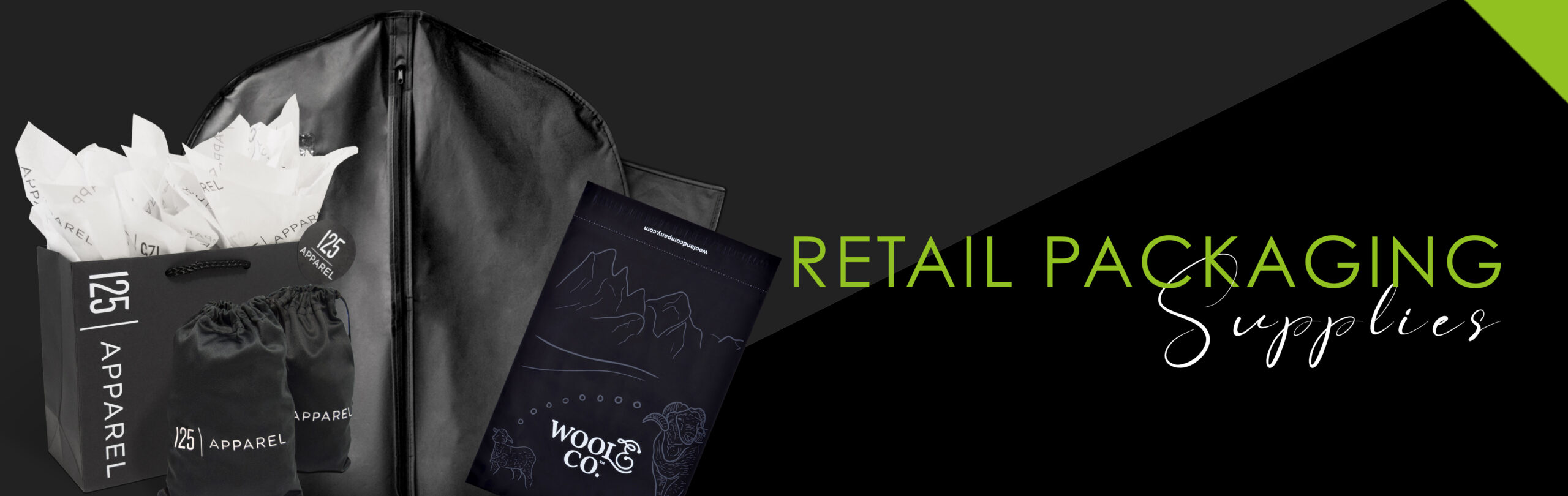
Custom Packaging For Clothing That Elevates Every Order
Clothing packaging does a lot more than carry a purchase from one place to another. It introduces the order, frames the product, and shapes the first real impression a customer gets once it is in hand.
In fashion and retail, presentation has always carried weight. A beautifully packed order feels more considered, more polished, and more aligned with the value of what is inside.
That is exactly why custom packaging for clothing deserves real attention. It gives apparel brands a chance to create a full experience instead of a basic transaction.
At Prime Line Packaging, we look at packaging as an extension of the garment itself. The details matter. The finish matters. The structure matters. The way the package opens matters.
In our own apparel packaging content, we highlight eurototes, folding boxes, and finishing touches that help packaging feel gift-ready while still staying practical for retail and shipping.
When packaging is done right, it supports the brand story before the customer even unfolds the clothing.
Custom Packaging For Clothing Is Part Of The Product Experience
A great clothing order should feel complete the moment it reaches the customer. Packaging plays a major role in that feeling. A plain bag or an unremarkable box can do the job, but it adds nothing to the brand experience. A well-designed package changes that. It builds anticipation. It creates a sense of care. It makes the purchase feel intentional from start to finish.
For clothing brands, that extra layer of presentation can shape how customers perceive the item’s quality. Before they touch the fabric, they notice the packaging. They see the logo, the structure, the materials, and the way everything is arranged. Those cues start building value right away.
Packaging also helps bring consistency across the full customer journey. A customer might first meet the brand online, then receive an order at home, or step into a boutique and leave with a shopping bag. Every touchpoint should feel connected. Packaging helps bridge those moments. It turns branding into something physical, memorable, and easy to recognize later.
That is one reason apparel packaging carries so much influence. It is not separate from the sale. It is part of the sale.
The Best Packaging Formats For Apparel Brands
When clothing brands choose packaging, the goal is not simply to find something that fits the item. The goal is to find something that supports the presentation, protects the product, and clearly reflects the brand. Different formats help accomplish that in different ways.
Prime Line Packaging features product categories such as eurototes, folding boxes, garment bags, and accessories, including tissues and stickers, making it easier for apparel brands to build a coordinated presentation system rather than relying on a single packaging piece.
Eurototes For Elevated Retail Presentation
Eurototes brings a refined look to clothing purchases. They are strong, attractive, and easy for customers to carry. For boutiques, department stores, and fashion brands that want a more upscale presentation, eurototes often make an immediate impact.
The structure helps the bag maintain its shape, adding to the overall polish. Handles can shift the tone from simple to high-end depending on the material and finish. A clean logo, strong color choice, and well-selected paper stock can make the bag feel like part of the merchandise rather than an afterthought.
That matters because customers often keep a well-made bag longer than expected. Some reuse it. Some carry it for another occasion. Some remember the store because the bag stood out. That continued visibility adds another layer of value to retail packaging.
Folding Boxes For Giftable Apparel Packaging
Folding boxes work especially well for garments that benefit from a more structured presentation. Shirts, lightweight knitwear, accessories, curated sets, and special collections all look more polished when they arrive in a thoughtfully designed box.
A good folding box keeps the product neat and protected. It also improves the reveal. The customer opens the lid or flap and sees a carefully arranged item, rather than a garment that feels as if it were dropped into a package without much intention. That difference may sound small, but it changes the experience in a noticeable way.
Folding boxes also work beautifully when a brand wants packaging to double as gift wrap. The box already feels complete. Add tissue, a branded seal, or an insert card, and the order looks ready to give without extra effort.
Finishing Touches That Pull Everything Together
The outer packaging gets attention first, but the smaller details often make the experience feel complete. Tissue paper, branded stickers, garment bags, inserts, and coordinated closures can all strengthen the look of the final package.
These elements help create layers. That layered presentation makes the customer slow down and take in the experience. It can also make the order feel more premium, even when the overall design stays simple. A single sheet of tissue placed neatly around a folded garment can do more for presentation than a louder design with no internal structure.
Clothing brands benefit from thinking about packaging as a full system. The bag or box sets the stage, but the finishing touches create the tone.
What Customers Notice First
Customers may not always explain exactly why one package feels better than another, but they notice the difference immediately. Their impression usually starts with a few key things.
Visual Consistency
The first thing most customers notice is whether the package looks cohesive. The logo, color, print quality, and overall layout should feel aligned. Strong visual consistency conveys a brand that knows who it is and pays attention to detail.
Clothing is deeply visual. Packaging should support that reality. When the outer packaging matches the brand’s feel, the order becomes more memorable. The package stops looking generic and starts feeling connected to the product inside.
Material Feel
The next thing customers notice is the feel of the packaging in their hands. Heavier paper, clean folds, smooth surfaces, and quality handle materials all contribute to perceived value. That physical response matters. People often associate tactile quality with product quality, even before the garment is fully opened and examined.
The visual design may attract attention first, but the material experience helps confirm whether the packaging feels premium or forgettable.
Structure And Presentation
Customers also notice whether the package keeps the product looking clean and intentional. Clothing that arrives wrinkled, crowded, or loosely arranged loses some of its impact. Packaging should help the garment hold its presentation until the moment it is opened.
That is one reason structure matters so much in apparel packaging. Presentation starts on the outside, but it should continue all the way through the unboxing moment.
The Unboxing Experience Shapes Brand Recall
A strong unboxing experience does not need to feel excessive or theatrical. It just needs to feel considered. Customers remember when packaging makes opening an order feel exciting, smooth, and polished.
For clothing, this matters even more because apparel purchases often carry emotion. Someone may be buying for a vacation, an event, a gift, a seasonal refresh, or a personal reward. Packaging that reflects those emotions helps the order feel more meaningful.
Neatly folded garments, layered tissue, branded stickers, insert cards, and a high-quality outer package can turn a routine order into something that feels special. That kind of presentation supports repeat business because people remember how the order made them feel. It can also encourage sharing, whether in person, via a recommendation, or online.
A forgettable package disappears the moment it is opened. A well-designed package leaves a stronger mark. That is the difference brands should aim for.
Retail and Ecommerce Packaging Need Different Priorities
Not every clothing order moves through the same environment, so packaging should reflect the way the customer actually receives it.
In-Store Apparel Packaging
Retail packaging needs to look impressive the second it leaves the counter. Customers carry it through the store, out into public, and sometimes into other shops or restaurants before heading home. The package is visible throughout.
That makes appearance especially important. A retail package should feel sturdy, polished, and attractive enough to represent the brand outside the store.
Ecommerce Apparel Packaging
Ecommerce packaging has a different job. It still needs to look good, but it must also protect the clothing through transit and arrive in excellent condition. The packaging has to hold up, preserve presentation, and still create a strong first impression once opened.
That does not mean ecommerce packaging has to feel plain. An internal presentation can do a lot of work. A simple outer shipper can lead to a thoughtfully packed garment inside, which gives the customer both protection and style. The best ecommerce apparel packaging balances efficiency and experience without sacrificing either one.
Packaging That Doubles As Gift Wrap Adds More Value
Gift-ready packaging is especially useful in apparel, as clothing is a common gift category. People buy garments for birthdays, holidays, bridal events, thank-you gifts, employee gifts, and special occasions throughout the year. Packaging that already looks complete removes an extra step for the customer.
That convenience matters. It saves time and improves the overall experience. A folding box with tissue and a branded seal can feel far more polished than a separate layer of generic wrapping paper added later. The same is true for a beautifully designed shopping bag that looks elegant enough to present on its own.
Giftable packaging also benefits the brand. It keeps the presentation consistent even when the order changes hands. Instead of disappearing under unrelated gift wrap, the packaging remains part of the story. That gives the clothing brand more visibility and helps the purchase feel more cohesive from the first impression to the final reveal.
Design Choices That Make Apparel Packaging Feel Premium
Premium packaging is not always about doing more. In many cases, it comes from doing the right things with restraint and clarity.
Strong Branding
Clear branding creates confidence. The logo should feel properly scaled. The typography should match the brand’s tone. The colors should look intentional and balanced. A package does not need to be crowded to feel memorable. In fact, too many competing elements often weaken the overall effect.
A confident design usually feels focused, clean, and easy to recognize.
Smart Structure
Great packaging should be easy to use. Customers should be able to carry it comfortably, open it easily, and remove the garment without the presentation falling apart. Size matters here. A box or bag should fit the clothing well enough to feel neat without feeling cramped.
Structure also supports storage, display, and transport. Good design should look strong and function smoothly at the same time.
Elevated Finishes
The right finish can shift packaging from standard to standout. Matte surfaces, gloss accents, foil details, embossing, specialty handles, ribbons, and closure options all help create a more refined look.
These details work best when they support the brand identity rather than overpower it. Premium packaging tends to feel intentional rather than overloaded.
How To Choose The Right Packaging For Your Clothing Brand
The right packaging choice depends on what you sell, how you sell it, and how you want customers to feel when they receive it. A boutique apparel brand may want eurototes that feel polished and giftable at the register. An ecommerce clothing company may need a structured internal presentation that protects the garment while still creating a memorable unboxing. A seasonal collection may benefit from packaging that feels elevated enough to stand in as gift wrap.
The key is to match packaging to the product and the customer experience. Think about the garment type, how the item will be transported, what level of presentation the brand promises, and whether the package needs to perform in-store, online, or both.
Clothing packaging should not feel disconnected from the apparel. It should look like it belongs with it. When that alignment is there, the full order feels stronger.
Let Your Packaging Carry The Brand
At Prime Line Packaging, we believe clothing deserves packaging that feels as thoughtful as the product inside. The right format can sharpen presentation, support the unboxing experience, and help every order feel more polished at first glance.
Whether you need sleek retail bags, structured boxes, or the finishing details that complete the experience, we can help create packaging that reflects your brand with style and purpose. Explore the inspiration in our apparel packaging article and start building a packaging program that gives every order a stronger presence. Start Your Project Today!
FAQs About Custom Packaging for Clothing
What Is Custom Packaging For Clothing?
Custom packaging for clothing is branded packaging created specifically for apparel products. It can include shopping bags, folding boxes, garment bags, tissue paper, inserts, stickers, and other presentation elements that help the order look more polished and feel more connected to the brand.
What Types Of Packaging Work Best For Clothing Brands?
The best packaging depends on the product, the sales channel, and the brand image. Eurototes work well for elevated retail presentation. Folding boxes are great for structured and gift-ready apparel packaging. Garment bags, tissue, and branded seals help complete the overall experience.
Can Clothing Packaging Double As Gift Wrap?
Yes, it absolutely can. That is one of the biggest advantages of well-designed apparel packaging. A refined folding box or a premium shopping bag can make the purchase feel ready to gift without requiring extra wrapping.
What Should Be Included In Apparel Packaging?
A strong apparel packaging setup usually includes the outer package and at least one internal presentation layer. That might mean a box or bag paired with tissue, a seal, an insert card, or a garment bag. The exact mix depends on the item and the desired level of presentation.
How Does Packaging Affect The Customer Experience?
Packaging shapes first impressions, perceived value, and brand recall. Before customers touch the garment itself, they experience the packaging. A polished presentation makes the order feel more thoughtful and encourages repeat purchases.
What Is The Best Packaging For Ecommerce Clothing Orders?
The best ecommerce packaging protects the clothing during transit while still creating a strong opening experience. The outer layer should be durable, and the inside should feel neat, intentional, and brand-aligned once the customer opens the shipment.
Are Custom Boxes Or Custom Bags Better For Clothing?
Both can work beautifully. Bags are often ideal for retail environments where visibility and portability matter most. Boxes are excellent when structure, protection, and giftable presentation are the priority. Many clothing brands use both depending on the product and sales channel.
How Can A Clothing Brand Make Packaging Feel More Premium?
A clothing brand can elevate packaging with better materials, stronger structure, thoughtful branding, and refined finishing details. Clean logo placement, quality paper stock, tissue, specialty handles, and well-chosen surface finishes all help create a more premium impression.
How Do I Choose The Right Packaging For My Brand?
Start with the product itself, then think about how it is sold and what you want the customer to feel when receiving it. The best choice is the one that fits the garment well, protects it properly, and reflects the brand clearly from the outside in.