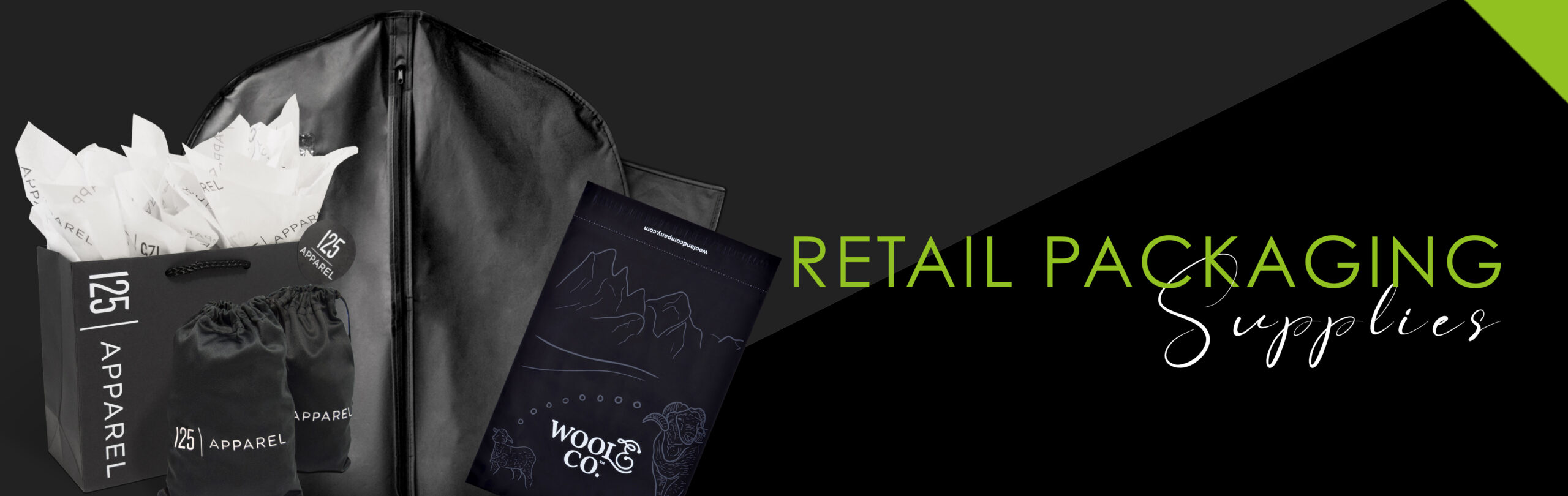
Custom Printed Retail Packaging: A Practical Guide For Brands That Want To Stand Out
Retail packaging is one of the few marketing tools your customers literally carry around town. A bag leaves the store, shows up in a mirror selfie, sits on a kitchen counter, and often gets reused. If you’re investing in brand building, this is one of the most practical places to put that effort because it connects the in-store moment to the at-home moment.
This guide focuses on custom-printed retail packaging and how to plan it without overcomplicating the project. You’ll get a clear breakdown of the most common formats, what print and finishing options are worth the money, and how to keep your timeline realistic.
Why Retail Packaging Sells Even Before The Product Is Opened
Many brands view retail packaging as a cost that shows up after the sale. In reality, it often contributes to sales, especially in retail, where customers are quickly comparing options. Packaging can signal quality, pricing tier, and brand personality long before someone looks closely at materials or craftsmanship.
You can also think of packaging as “repeatable storytelling.” If your shopper can describe your brand in a sentence, the packaging should reinforce that sentence through color, tone, and materials. But packaging is a visibility tool that extends beyond the person making the purchase, which is exactly what happens when a bag becomes a walking billboard in the real world.
Here are a few ways packaging supports sales and brand recall in everyday situations:
- It creates a strong checkout moment that feels intentional rather than generic.
- It raises perceived value, which helps premium pricing feel justified.
- It encourages gifting, even if the purchase wasn’t originally a gift.
- It pushes social sharing because the presentation feels “photo-ready.”
- It builds consistency across store, pop-up, and e-commerce orders.
Another angle that gets overlooked is staff experience. Packaging that’s easy to assemble, sturdy in the hand, and consistent in sizing makes checkout faster and cleaner. That matters during peak hours, holiday rushes, and events where the customer’s last impression is shaped at the counter.
If you want a simple test, ask yourself this: if a shopper bought from you once, would your packaging help them remember you three weeks later? Packaging can’t fix a weak product, but it can absolutely strengthen the memory of a good one.
Picking The Right Packaging Mix For Your Store
Most brands don’t need one perfect packaging item. They need a system that covers daily purchases, higher-ticket orders, and seasonal spikes. A well-planned mix also helps you control your budget because you can reserve premium finishes for premium moments, rather than putting every item on the highest tier.
Start by listing your top product categories and how customers buy them. In-store purchases, curbside pickup, shipping orders, and gifting all need slightly different approaches.
Here’s a practical way to break down your mix.
First, choose your “everyday workhorse” bag. For many brands, that’s a kraft shopper or a standard paper bag with a clean logo and solid handle choice. It’s cost-aware, easy to reorder, and flexible enough for a wide range of items. It also keeps your look consistent without forcing you to overdesign.
Second, add one premium carry option for higher-priced purchases or gifting. Eurototes are a popular choice here because they feel structured and elevated, and they can be finished in ways that look high-end without becoming overly complex design projects. Prime Line’s apparel packaging content highlights Eurototes as a top choice for fashion brands, and that logic applies to many retail categories seeking a premium feel at checkout.
Third, pick a box style that matches how your products are presented and protected. Folding boxes are great when you need a clean retail look, efficient storage, and fast assembly at the counter. Rigid setups tend to work well for luxury goods, subscription-style experiences, and products where unboxing is part of the perceived value.
Fourth, decide how shipping should feel for your brand. Not every order needs a fancy mailer, but customers can feel the difference between “we shipped it” and “we presented it.” A basic but branded mailer, paired with tissue or an insert card, can do a lot of work without turning your fulfillment process upside down.
Fifth, layer in accessories that bring everything together. Tissue, stickers, ribbons, pouches, and garment bags can create a cohesive presentation even if the outer packaging varies. Accessories are also a smart way to introduce seasonal campaigns without redesigning your core items.
A quick packaging mix checklist can help you see gaps before you order:
- One everyday bag (high volume, cost-aware).
- One premium bag (gifting and higher-ticket items).
- One primary box style (folding or rigid, depending on category).
- One shipping approach (mailer, shipper, or both).
- Two or three accessories (tissue, sticker, insert card).
If you sell across multiple categories, don’t force one package to do every job. A small, well-planned assortment will look more polished than a single “one size fits all” item that doesn’t fit anything well. That planning also makes reorders simpler because your team knows which items are meant for which purchases.
Printing, Color, And Finishes That Customers Actually Notice
Printing and finishing choices can either make packaging feel intentional or make it feel like a missed opportunity. The trick is to pick upgrades that align with your brand personality and day-to-day reality. A boutique that thrives on a soft, minimal look might focus on matte finishes and subtle embossing, while a bold beauty brand might lean into foil, shimmer, and bright color blocks.
Trend-forward choices such as matte finishes, foil stamping, and magnetic closures can elevate the experience. You don’t need all of them, but it’s useful to know what’s common so you can make informed tradeoffs.
Color is another area where brands lose consistency. If your brand relies on a signature color, talk with your supplier about a coordinated approach so your bag, box, and tissue feel like a family. Consistency matters because customers see these items side by side, especially during unboxing or gifting. Even a small shift in tone can make a set look pieced together instead of planned.
Finishes should also match how your packaging is handled. Gloss can look sharp but may show fingerprints. Soft-touch can feel premium, but may need the right material choice to stay clean during daily retail use. That’s not a reason to avoid premium finishes; it’s a reason to choose them with the real world in mind.
Here are the finishing options customers tend to notice immediately:
- Foil stamping for high-contrast logo moments.
- Embossing or debossing for tactile brand cues.
- Spot UV for selective shine and contrast.
- Matte or soft-touch lamination for a refined, modern look.
Don’t forget the “hidden” print real estate. Gussets, interiors, and box lids can carry subtle brand elements like patterns, taglines, or care notes. Those details can be more memorable than a big logo because they feel like a reward for opening and using the package.
If you want to keep things simple, focus on one hero element. Maybe it’s a clean logo lockup plus a single premium finish. Maybe it’s a bold, full-color design with no extra finishing. The goal isn’t to add everything; it’s to add what supports your brand and makes sense for your margins.
Design And Artwork Prep That Keeps Projects Moving
Packaging projects usually slow down in the same places: unclear specs, missing files, and design decisions made too late. A little prep upfront saves a lot of back-and-forth later, especially if you’re ordering multiple items that need to match.
Start with the brand basics. Your logo files, brand colors, and a few examples of how you want the packaging to feel are enough to begin productive conversations. If your brand has multiple product lines, decide whether to unify packaging or let each line have its own variation.
Then get specific about structure. Sizes, handle types, closures, and box styles all affect how the final item looks and functions. Prime Line Packaging offers designer’s resources, including common templates, box templates, and bag templates, as well as reference guides for paper bag handles and paper options. Those tools help designers build on proven structures rather than guess.
A simple artwork and approval checklist can keep your team aligned:
- Confirm dimensions and any key fit requirements.
- Use high-quality logo files (vector is ideal for crisp printing).
- Keep text readable from a few feet away.
- Check what areas are safe for important elements like logos.
- Review mockups in realistic lighting, not just on a bright screen.
Sampling is also worth discussing early. A sample or prototype can catch issues that are hard to spot in a digital proof, like how a finish looks under store lighting or how a handle feels with real weight. It’s much easier to adjust before production than after thousands of pieces arrive.
If your brand wants packaging that doubles as gift wrap, the design needs to do more than just look good. The outer look has to feel finished without needing added wrapping, and the structure has to stay neat in the customer’s hands. Prime Line’s apparel packaging examples are a strong reminder that the best packaging blends presentation and practicality, especially in fashion retail.
Timelines, Minimums, And Planning Ahead Without Stress
Packaging is a manufacturing project, not a same-week print job, so timing needs to be part of the strategy. Prime Line’s retail packaging page encourages planning well in advance due to shipping delays and notes a 12 to 16-week turnaround time for retail packaging orders.
It’s also normal for lead times to vary by item type, materials, and complexity. For example, Prime Line’s blog on custom die-cut handle bags mentions lead times that are generally four to six weeks after artwork approval for that specific product style. That kind of variation is why it’s smart to talk through your exact item list early in the process.
Minimums matter too, especially if you’re ordering fully customized items. Prime Line’s custom order and stock programs can be as low as 1,000 pieces for certain custom packaging items, along with typical lead times of 12 to 16 weeks for its standard order program.
Here are a few planning habits that make packaging projects easier to manage:
- Forecast your busiest season and work backward from the date you need packaging in hand.
- Order core items in larger quantities, then add seasonal accents through accessories.
- Keep a small buffer of your workhorse items so you’re not forced into rush decisions.
- Align packaging reorders with marketing calendars, product launches, and events.
The goal isn’t to plan perfectly. The goal is to give your team enough runway so packaging supports growth instead of becoming a last-minute scramble that limits your options.
How Prime Line Packaging Supports The Process From Concept To Checkout
A good packaging partner doesn’t just print your logo. They help you make choices that align with your product, budget, and timeline, then keep the project moving.
In practical terms, this often looks like a guided workflow. You start with goals and product needs, then narrow down formats and materials.
Next, your design is built on proven templates and dielines, reducing the risk of surprises. After that, proofs and samples help confirm color, finish, and structure, then production and logistics take over.
Prime Line also supports designers with template resources, including box templates that showcase common structures such as pillow boxes and rigid collapsible boxes. Seeing real structures can help your team decide faster and avoid designing something that looks great on screen but isn’t efficient to assemble or ship.
If you’re building a new packaging system or refreshing an older one, a smart approach is to start with the essentials and add upgrades in phases. That keeps your brand moving forward without forcing you to redesign everything at once. It also makes it easier to test what your customers respond to, then invest more confidently in the details that truly move the needle.
Frequently Asked Questions About Custom Printed Retail Packaging
What Packaging Items Should I Start With If I’m Ordering For The First Time?
Start with one bag style that covers most purchases and one accessory that enhances presentation, such as tissue or a sticker seal. A small, thoughtful set will look more consistent than a big, unplanned mix. If your products need protection or gifting support, add one box style that matches your category and price point. Once those basics are working, expand into premium items, seasonal variations, and shipping-friendly options.
What’s A Realistic Turnaround Time For Branded Retail Packaging?
Lead times vary by item type, materials, and production schedule, so it’s smart to ask early. Planning ahead is key, allowing a 14 to 16-week turnaround time due to shipping delays. If you need something faster, some product categories may have different timelines depending on complexity and approval speed. The best move is to share your target date and item list so the timeline can be mapped to your project.
Do I Need A Dieline Or Template Before My Designer Starts?
A template or dieline makes the design process smoother by showing exact panel locations, folds, and safe areas. Without it, designers may guess, and that can slow approvals later. Prime Line provides template resources, including common templates plus dedicated box and bag templates, which help designers build on proven structures. If you already have a dieline from a past project, it can still be useful, but it’s worth confirming it matches the current structure and specs.
What Print And Finish Choices Feel Premium Without Feeling Overdone?
A clean logo with one tactile element is often enough to elevate packaging. Foil stamping, embossing, spot UV, and matte finishes are common choices because customers notice them immediately in hand. If you’re budget-conscious, consider using premium finishes only on your higher-tier packaging, and keep workhorse items simpler.
Can Packaging Really Double As Gift Wrap For Apparel And Boutique Brands?
Yes, and it’s one of the easiest ways to make your brand feel more thoughtful without adding extra labor at checkout. A folding box with the right design can look like a gift box the moment it’s handed over, and a premium bag can complete the presentation. This approach is especially helpful during holidays, events, and other seasons when gifting is part of the buying mindset.
What’s The Most Common Mistake Brands Make With Retail Packaging Design?
The biggest mistake is designing for a screen rather than for real life. Thin lines, small type, and low-contrast colors can disappear on textured paper or under store lighting. Another common issue is treating each item as a separate design, which can result in a bag that doesn’t match the box or the accessories. A simple brand system with consistent color and layout rules usually solves both problems.
How Can I Keep Costs Under Control Without Making Packaging Look Cheap?
Costs stay manageable when you separate essentials from upgrades. Use a high-volume bag and a standard box as your core, then reserve premium finishes for gift-ready items or special collections. Accessories like tissue and stickers can add a lot of brand polish at a lower cost than upgrading every bag and box. Ordering with realistic lead times also helps, as rushed decisions often leave you with fewer options and higher costs.
What Should I Have Ready Before I Talk To A Packaging Supplier?
Bring a short list of what you sell, how customers buy, and what you want the packaging to communicate about your brand. It also helps to know approximate quantities, target delivery dates, and any must-have features, such as handle type or box structure. If you have brand files, share them early so we can review color and logo usage quickly.
How Do I Make Packaging Support My Online Marketing Too?
Packaging and digital marketing can work together, especially if your customers share unboxing videos and purchases online. Add small prompts like a branded hashtag, a QR code to a landing page, or a thank-you insert that encourages reviews and repeat purchases. Keep the visual look consistent with your website, social profiles, and email design so customers experience one brand across every touchpoint. If you want help tightening that cross-channel consistency.
Closing Thoughts And A Simple Next Step
The best packaging programs feel simple to the customer and structured behind the scenes. A smart mix of bags, boxes, and accessories creates a consistent brand experience without forcing you to overspend on every item. Print and finishing choices should support how your brand wants to be remembered, and timelines should be planned like any other supply chain decision.
If you’re ready to build or refresh your custom printed retail packaging, start with your packaging mix and a realistic delivery date, then talk through options with Prime Line Packaging’s team. Start Your Next Project Now.