As a brand navigating the evolving packaging landscape, you’re facing unprecedented regulatory changes in 2025. While federal regulations remain limited, state-level requirements are accelerating rapidly—and several key deadlines have already passed. This guide breaks down what’s happened, what’s coming, and the critical actions your business needs to take today.
The Big Picture: Why 2025 Matters
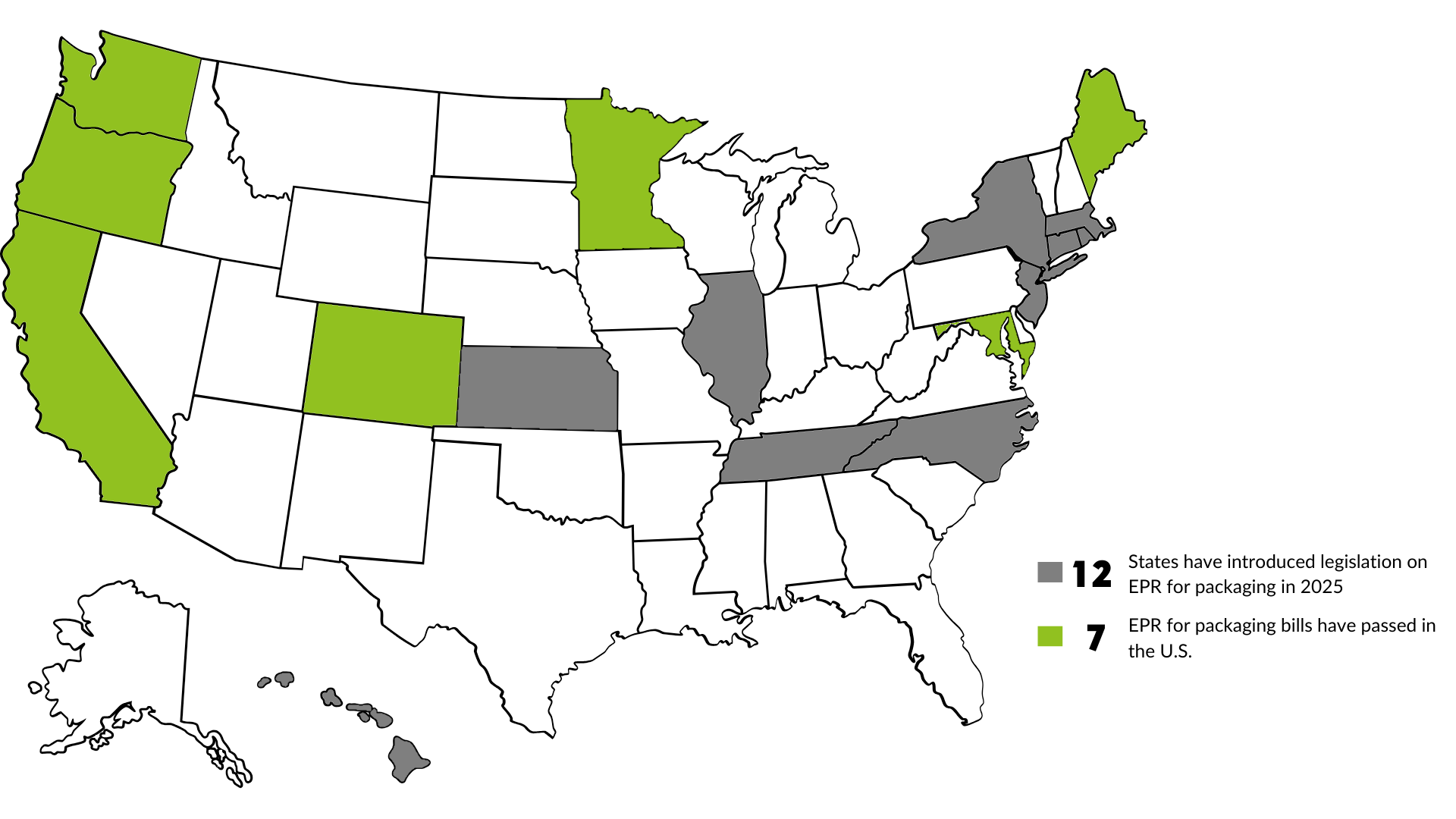
Seven US states have enacted Extended Producer Responsibility (EPR) laws for packaging, with more following suit. These regulations shift end-of-life packaging costs from municipalities to producers—meaning if you sell packaged products, you’ll soon pay fees based on your packaging materials and volumes.
At Prime Line Packaging, we’ve been preparing for this shift with our comprehensive sustainability initiatives, including FSC® certification for all paper bags by 2024, Global Recycled Standard compliance, and partnerships that prioritize circular packaging solutions.
The bottom line: If your brand generates over $5 million in revenue or sells $1 million+ of packaged products in California, you’re likely already subject to these requirements.
Critical 2025 Deadlines You Can’t Miss
Recently Passed (Action Still Required):
Oregon (First to Launch)
- ✓ July 1, 2025: EPR program launched
- ✓ June 2025: First fees were due
- Action needed: Late registration still accepted; contact CAA immediately
California
- ✓ July 1, 2025: Producer enrollment deadline passed
- Action needed: Register now to avoid penalties; late registration available
Upcoming Deadlines:
Colorado
- July 31, 2025: Submit Q1-Q2 2025 packaging data
- January 2026: First fees due
California (Continued)
- August 31, 2025: Submit 2024 packaging data – CRITICAL DEADLINE
- 2026: Fee payments begin
- 2032 targets: 25% reduction in single-use plastics, 65% recycling rate
Understanding Your Obligations
Who’s Affected?
You’re considered a “producer” if you:
- Own the brand or trademark on packaged products
- Import packaged products into covered states
- Sell products under your own label
Exemption Thresholds:
- Oregon/Colorado: Under $5M total revenue OR less than 1 metric ton of packaging annually
- California: Under $1M in packaged product sales
- All states: Nonprofits, government agencies, medical products, baby food typically exempt
The True Cost of Compliance
While exact fee structures aren’t finalized, Oregon’s December 2024 guidance shows fees varying by material type. Companies using estimates risk “overstating volumes—leading to increased fees.”
Hidden costs to consider:
- Data tracking systems setup
- Third-party verification for claims
- Packaging redesign for recyclability
- Potential penalties for non-compliance
Pro tip: Higher recycled content qualifies for lower fees through “eco-modulation” incentives.
Beyond EPR: Additional Compliance Requirements

Truth in Labeling (California SB 343)
- October 2026: Full compliance deadline
- Prohibits misleading recyclability claims
- Requires materials to be actually recycled, not just theoretically recyclable
Material Bans & Safety Requirements
Multiple states and cities are implementing restrictions:
- PFAS (forever chemicals): Banned in food packaging in several states
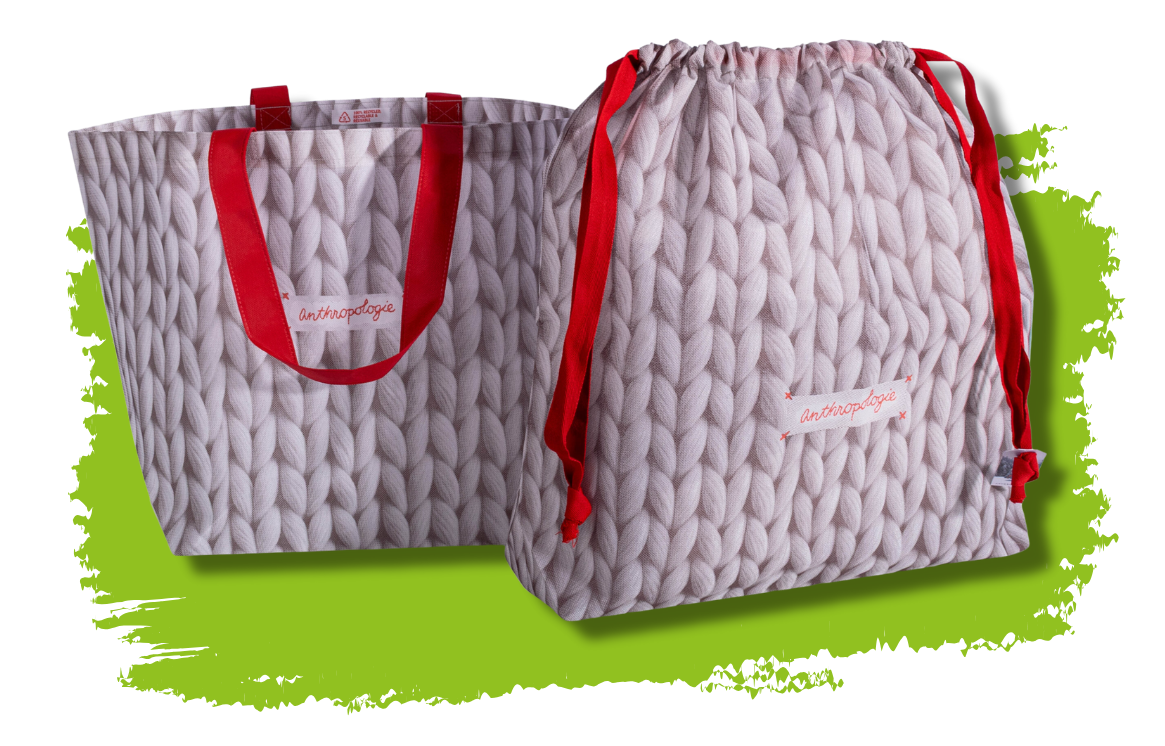
- Single-use plastic bags: Switch to reusable fabric totes or canvas bags
- Polystyrene (foam): Consider corrugated alternatives
- Suffocation warnings: Required on poly bags ≤1 mil in 5 states; Amazon FBA requires warnings on all poly bags ≥1.5 mil
Retailer Requirements
Major retailers enforce their own standards:
- Amazon FBA: Poly bags must be 1.5 mil+ with suffocation warnings – consider paper alternatives
- Walmart: Project Gigaton sustainability scoring – corrugated boxes score well
- Target: Target Zero sustainable packaging program – aligns with reusable options like canvas totes
Your 5-Step Compliance Action Plan

1. Register Immediately (Free but Mandatory)
Join Circular Action Alliance (CAA) for CA, CO, and OR compliance. Note: Even if you missed initial deadlines, register now to minimize penalties.
2. Build Data Systems (1-6 Months Lead Time)
Track:
- Packaging weight by material type
- Units sold by state
- Material composition percentages
- Recycled content levels
3. Optimize Your Packaging Mix
Prioritize materials that will reduce fees—Prime Line already offers compliant solutions:
- FSC®-Certified Materials: Our commitment to FSC® certification ensures responsible forest sourcing
- Recycled Content: We offer Global Recycled Standard certified options
- Biodegradable & Compostable: Plant-based and renewable material alternatives
- Water-Based Inks: Eco-friendly printing that meets strict environmental standards
- Replace plastic bags with custom paper shopping bags or reusable totes
- Choose recyclable corrugated boxes for shipping
4. Update Labeling
- Remove unsubstantiated recyclability claims
- Implement How2Recycle labeling
- Add suffocation warnings where required
- Ensure state-specific compliance
5. Budget for Fees
Prepare for:
- EPR fees (varying by material/state)
- Third-party verification costs
- System upgrades
- Packaging redesign investments
Looking Ahead: What’s Coming Next
2025-2026 Developments:
- UN Global Plastics Treaty negotiations (August 2025, Geneva)
- Additional states considering EPR (New Jersey, Washington active)
- Federal SEC climate rules for public companies ($700M+ market cap)
- EU packaging requirements (65% recycling rate by end-2025)
- Deposit return systems under consideration in multiple states
Your Path Forward with Prime Line
While the regulatory landscape seems daunting, proactive compliance offers competitive advantages—and Prime Line is already ahead of the curve:

Our Existing Compliance Support:
- Certified Materials: FSC®, Global Recycled Standard, GOTS certified options
- Responsible Sourcing: BSCI and Sedex certified supply chain partners
- Circular Design: Expertise in recyclable, reusable, and compostable packaging
- Waste Reduction: Innovative design minimizing material usage
These sustainable packaging solutions position your brand for:
- Lower EPR fees through eco-modulation
- Enhanced brand reputation
- Reduced risk of penalties
- Future-proofed operations
Remember: States are implementing these requirements regardless of federal policy changes. Early preparation prevents costly scrambling and positions your brand as a sustainability leader.
Need Support?
Navigating packaging compliance doesn’t have to be overwhelming. Prime Line Packaging brings proven expertise to help you meet these new requirements:
What We Already Provide:
- FSC®-certified paper bags (100% by 2024)
- Global Recycled Standard certified materials
- GOTS organic textile certification
- Third-party verified sustainable sourcing (SGS, BSCI, Sedex)
- Circular packaging design expertise
- Water-based inks and eco-friendly coatings
Explore our complete sustainability initiatives to see how we’re already helping brands like Anthropologie, Urban Outfitters, and Nickel & Suede meet compliance standards while maintaining brand excellence.
Contact our team for guidance on making the right packaging choices for your brand’s future.