


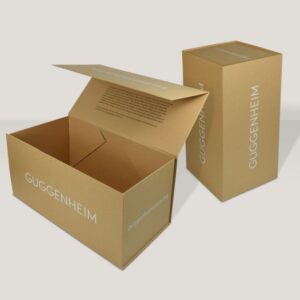
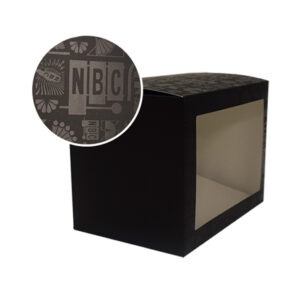
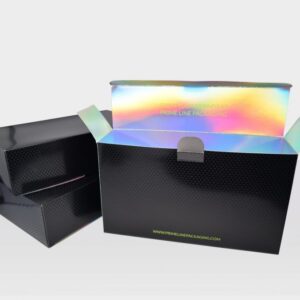
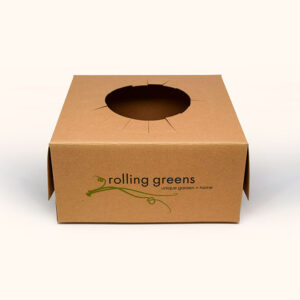
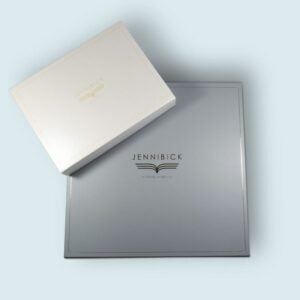
Custom folding cartons (also called custom folding boxes) are everywhere, from the moment you pick up a favorite snack to when you unbox a beauty product you have long awaited. These cartons are often the first physical interaction a customer has with a brand. Packaging does not just carry a product; it speaks for a brand before a person even reads a word on the box. Custom folding cartons offer a flexible, compelling option for brands seeking practical product protection along with design freedom that reflects who they are.
What Are Custom Folding Cartons?
Custom folding cartons are packaging boxes created from paperboard that can be printed, cut, folded, and finished to match the needs of any product line. They are designed flat, then folded into shape when needed, making them efficient for storage and transport. They are lightweight, strong, and able to protect products from dust, light wear, and minor impacts while still offering a beautiful surface for branding.
What makes custom folding cartons unique is their blend of practicality and visual appeal. Unlike rigid boxes that hold a fixed shape, folding cartons start flat and fold into structure, offering cost and space advantages for storage and shipping. The features that make custom folding cartons compelling include the ability to choose from a range of styles, finishes, and print options, which, in turn, let brands tailor every aspect of the unboxing experience.
Custom folding cartons are widely used across markets such as health and beauty, snacks and food, accessories, electronics, and more. They can be simple tuck top boxes or intricate display cartons that showcase a product at retail. The value they add goes beyond physical protection, since creative printing and structural design become part of the brand story.
When crafted with intention, folding cartons can influence purchase decisions on the shelf or online. In the next section, we will walk through why these cartons remain essential in 2026 for brands that care about packaging quality and customer experience.
Why Custom Folding Cartons Still Matter in 2026
Custom folding cartons continue to matter even as digital commerce evolves because they play a role in both physical and online customer journeys. In a retail environment, packaging must catch the eye of someone walking past dozens of competitors, stand up under lighting and handling, and tell the brand story quickly.
In e-commerce, folding cartons provide the first tactile experience when a customer opens a delivered package that arrives at their doorstep. Packaging influences perception. A well-designed custom folding carton suggests care, attention to detail, and value, which in turn can inspire trust and repeat purchases.
Folding cartons remain relevant because they balance cost and quality. They are more affordable than many rigid options while offering more customization and visual impact than plain corrugated boxes. They can be shipped flat and assembled quickly, saving space and reducing handling costs.
Brands see these benefits and invest in folding cartons for everything from sample kits to flagship product packaging. What’s more, folding cartons lend themselves to sustainable choices if a brand wants packaging that uses less material without sacrificing strength, though that is up to each brand to determine for itself.
Over time, materials and printing technologies have improved, so folding cartons now offer refined graphics, precise color reproduction, and finishes that rival those of larger packaging formats. As retail trends shift, the flexibility of folding cartons makes them adaptable to seasonal promotions, limited editions, and new product introductions. They are not static, one-size-fits-all containers; they become storytelling tools that evolve as quickly as a brand does.
Design Possibilities Without Limits
Custom folding cartons offer a playground of design options. Brands can choose shapes that reflect product needs, from traditional tuck tops to innovative display-ready formats. Structural design includes a variety of style options, such as straight tuck end, reverse tuck end, auto bottom, pillow boxes, sleeve-and-tray combos, and display cartons. Each style serves a specific purpose, whether that is maximizing shelf presence or easing assembly on the packing line.
Folding cartons also offer a range of print techniques and finishes. You can incorporate full-color graphics that communicate brand personality, product features, or visual storytelling. Spot UV highlights specific areas of the design, creating contrast and texture. Soft-touch coatings give cartons a premium feel under the fingertips. Foil accents reflect light and add a sense of luxury or flair. Window cutouts let shoppers see the product inside without opening the package, building confidence and adding intrigue.
Brands can make smart choices about how they want printing to work across panel surfaces. Packaging could feature bold imagery that wraps from the front to the sides, or subtle pattern work that feels refined and elegant. Functional design elements like tabs, lock systems, or built-in hang holes make cartons easier to stack, display, or ship. These design possibilities mean the same base structure can be adapted for a boutique skincare line or a playful snack brand, each with its own visual language.
For brands that want to push design further, printing and finishing choices can support a cohesive unboxing experience. Creative placement of brand elements and product information ensures that every part of the carton contributes to the overall communication strategy. When brands invest in thoughtful design, their folding cartons become more than containers; they become essential brand touchpoints.
Function Meets Flair, Built for More Than Looks
While appearance matters, the core purpose of custom folding cartons is to protect and present products. These cartons balance structural strength and lightweight construction, which matters for efficient handling. Because they ship flat until they are folded, they take up minimal space before use. This flat storage reduces warehousing costs and makes packing operations smoother.
Folding cartons are engineered to support product weight and shape. A well-designed carton can cradle fragile products, secure irregular shapes, or hold multiple small items without fuss. Cartons can also be tailored with inserts or partitions to keep items from shifting during transport. When products arrive at their destination in excellent condition, it reinforces customer trust in the brand.
In addition to physical protection, folding cartons make packing faster. Many designs fold into shape quickly with minimal effort or tools, which matters for high-volume packing operations. When cartons are designed with efficient gluing and folding lines, teams can move more product through packing stations without bottlenecks. Essentially, good packaging works with operations rather than against them.
Custom folding cartons also play a role in sustainability strategies for brands that consider material use. While this article does not focus on sustainability, brands can make choices that reduce material waste or use recyclable paperboard to align packaging with specific environmental goals. What remains clear is that both function and feel are critical, and folding cartons offer options that meet a range of needs.
Branding That Travels, Custom Folding Cartons as Brand Messengers
Packaging is often the first real interaction a customer has with a product, and custom folding cartons are uniquely positioned to make that moment memorable. When a brand uses consistent colors, typography, and imagery, the carton becomes part of a larger brand ecosystem. A cohesive look across packaging builds recognition and loyalty over time.
Printing plays a central role in how cartons communicate. Full-color printing gives brands the freedom to showcase logos, product images, usage instructions, or storytelling elements that speak directly to consumers. Strategic placement of brand elements ensures that, when a customer sees the package on a shelf or in their mailbox, they immediately know who made it and what the product stands for.
Textural elements like soft-touch coatings or foil accents create sensory engagement. When someone picks up a carton that feels smooth or catches the light in certain ways, those tactile experiences become part of how the brand is remembered. Packaging that engages multiple senses often feels more valuable, which can elevate how customers think about the product inside.
Custom folding cartons also contribute to unboxing experiences that feel intentional and thoughtful. Printed interiors can delight customers with messaging or graphics. Folds and closures that open easily make the experience feel curated rather than clunky. When every part of the carton design enhances the interaction, it turns an ordinary moment into something worth sharing.
Popular Styles of Custom Folding Cartons
Custom folding cartons come in many styles, each suited to specific product needs. A tuck-end style has flaps that tuck into the box top and bottom, which makes assembly quick and secure. A seal end style is sealed along one edge, providing a smooth exterior that works well for retail packaging. Auto-bottom cartons lock into place when folded, adding strength for heavier items.
Pillow boxes have curved sides that form a pillow-shaped package, ideal for gift or boutique items. Sleeve and tray combinations let the tray slide from an outer sleeve, perfect for premium products that require extra presentation. Display cartons are designed to sit open on a shelf, showcasing items while keeping them organized.
Each style serves a purpose. Pillow boxes create a playful feel for small accessories, while auto bottom cartons give confidence for heavier products. Display cartons help retailers show multiple units without additional merchandising. This variety means brands can choose packaging that aligns with product requirements and visual strategy.
Industries That Benefit Most From Custom Folding Cartons
Custom folding cartons are used across many industries because they offer flexibility and strong branding opportunities. In beauty and cosmetics, folding cartons protect delicate products and present them in elegant ways. Skincare, makeup, and fragrance products often rely on quality packaging to suggest luxury or efficacy. Graphic design and finish choices can echo brand identity, helping products stand out on crowded shelves.
In health and wellness, cartons hold supplements, remedies, or health tools that need clear labeling and trust-building. Packaging that conveys important information clearly and beautifully makes it easier for customers to make confident choices. In food and confectionery, cartons provide protective packaging for snacks, chocolates, and specialty foods, offering sealing options that preserve freshness while also offering attractive visuals. Cartons can include window cutouts so customers can see what is inside, which can increase purchases.
Apparel and accessories also benefit from folding cartons that combine protection and brand presentation. Small clothing items, belts, or jewelry can be presented in cartons that mirror the brand’s aesthetic, enhancing perceived value. Consumer electronics often use folding cartons with internal partitions or inserts to protect devices and accessories, while printed graphics clearly communicate product information.
These industries, among others, choose custom folding cartons because they can adapt structure, print, and finishing to match product specifications and brand strategy.
Folding Cartons Versus Rigid and Corrugated Boxes
Understanding how custom folding cartons compare to other box types helps brands choose packaging that fits their goals. Rigid setup boxes are strong and heavy, and are often used for luxury goods. They have a fixed shape and do not collapse flat, which makes them durable but also more expensive to store and ship. Rigid boxes feel premium, which is why they are common for high-end products like jewelry or tech accessories. Custom folding cartons offer many of the same visual benefits but fold flat, saving on storage and transport costs.
Corrugated shipping boxes are another category often used for shipping or packaging heavier items. They are strong and protective, which is ideal for outer packaging. However, corrugated boards have a different look and feel than folding cartons and typically serve a different role. Corrugated boxes protect products during transit, while folding cartons are designed for presentation and close customer interaction.
Choosing between folding cartons, rigid boxes, or corrugated options means considering how the packaging will be used. Folding cartons are often the primary packaging for products, while corrugated and rigid boxes may serve as secondary or shipping layers. Understanding this difference helps brands create a packaging system that protects goods and tells a consistent story.
How Custom Folding Cartons Support E-Commerce and Retail
In e-commerce and retail, packaging performs multiple roles. For e-commerce, products must arrive intact after potentially long shipping journeys. Custom folding cartons protect items while offering a design that delights when opened. Because folding cartons ship flat before assembly, brands can store large quantities and assemble them as orders are packed, making space usage more efficient.
Retail environments require packaging that stands out visually. Custom folding cartons give retailers products that look great on shelves or endcaps, catching shoppers’ attention. Packaging that conveys clear brand messaging, colorful imagery, and a compelling design helps products stand out in stores.
Cartons can be designed to fit within larger shipping boxes or padded mailers when sold online, creating a layered experience in which the outer packaging protects and the inner folding carton presents the product attractively. This strategy supports a strong unboxing experience, which matters for customer satisfaction and repeat business.
Ordering Custom Folding Cartons With Prime Line Packaging
Prime Line Packaging makes custom folding cartons accessible for brands of all sizes. The process starts with a discussion around product needs, quantity, and design preferences. A team at Prime Line works with brands to choose carton style, material weight, print options, and finishes that support both functional requirements and brand goals.
After design decisions are made, mockups or print proofs let brands see how their cartons will look before production begins. This step ensures everything aligns with expectations. When cartons go into production, experienced teams ensure printing and finishing meet high-quality standards so each carton reflects the brand well.
Prime Line Packaging also offers a range of related packaging solutions, such as custom-printed corrugated boxes for shipping, rigid box packaging for premium items, and e-commerce shipping boxes designed to protect products in transit. Brands that work with Prime Line can think holistically about packaging, choosing a combination of solutions that fit their entire supply chain.
FAQs About Custom Folding Cartons
What are custom folding cartons made from?
Custom folding cartons are typically made from paperboard, a sturdy but lightweight material that can be printed on and folded into shape. Paperboard thickness varies depending on product needs, and brands can choose options that balance strength and visual appeal.
What is the difference between folding cartons and rigid boxes?
Folding cartons start flat and fold into shape, making them efficient for storage and shipping; rigid boxes hold a fixed shape and feel heavier and more substantial. Folding cartons offer strong branding opportunities at a lower cost and with less storage space.
How customizable are folding cartons?
Folding cartons are highly customizable. Brands can choose style, size, printing options, finishes like spot UV or foil accents, window cutouts, and structural details that support product protection.
Can folding cartons be printed on the inside?
Yes, interior printing is possible and often used to add messaging, brand elements, or instructions that enhance the unboxing experience.
How long does it take to receive custom folding cartons after placing an order?
Production and delivery times depend on design complexity, quantity ordered, and current demand. Working with a packaging partner early helps brands plan timelines effectively.
What products are best suited for folding cartons?
Lightweight to moderately weighted products such as cosmetics, pharmaceuticals, small electronics components, food items, and accessories work well in folding cartons.
Are folding cartons a good option for retail displays?
Absolutely, especially when cartons are designed with structural features that support standing displays, easy stacking, and visibility on shelves.
Why Smart Brands Choose Folding Cartons
Custom folding cartons balance practicality, visual appeal, and brand communication. They protect products while giving brands a canvas to tell their story, engage customers, and make products stand out. Whether you are launching a new item, refreshing packaging, or expanding into retail or e-commerce, folding cartons offer a versatile solution that supports business goals and customer experience.
Your Packaging Should Fold Into Something Bigger
Are you ready to take your product packaging to the next level? Work with Prime Line Packaging to create custom folding cartons that reflect your brand, protect your products, and delight your customers. Whether you need simple tuck top cartons or design-rich cartons with unique finishes, the team is here to help bring your ideas to life. Start your custom folding carton project today and explore related packaging solutions, including custom-printed corrugated boxes, rigid box packaging, and specialized shipping boxes, to complete your packaging strategy.
Contact Prime Line Packaging now for a quote and see how great packaging elevates your


