Accessory Packaging: Custom Options For Retail And Ecommerce
A necklace tucked into a fitted box, a scarf wrapped in coordinating tissue, or sunglasses presented in a carefully sized package can make a purchase feel complete. The packaging gives customers their first physical impression of the product while helping it arrive in the condition they expect. Good accessory packaging brings protection, presentation, and product fit together.
For brands, those decisions also affect storage, packing time, and consistency across a collection. A thoughtful packaging system should look right for the product and work smoothly for the people preparing each order.
Choose The Right Packaging For Each Accessory
Different accessories need different packaging structures. A delicate chain needs help staying organized, while a belt requires enough room to sit comfortably without forcing its shape. Starting with the product makes it easier to choose a format that supports both handling and presentation.
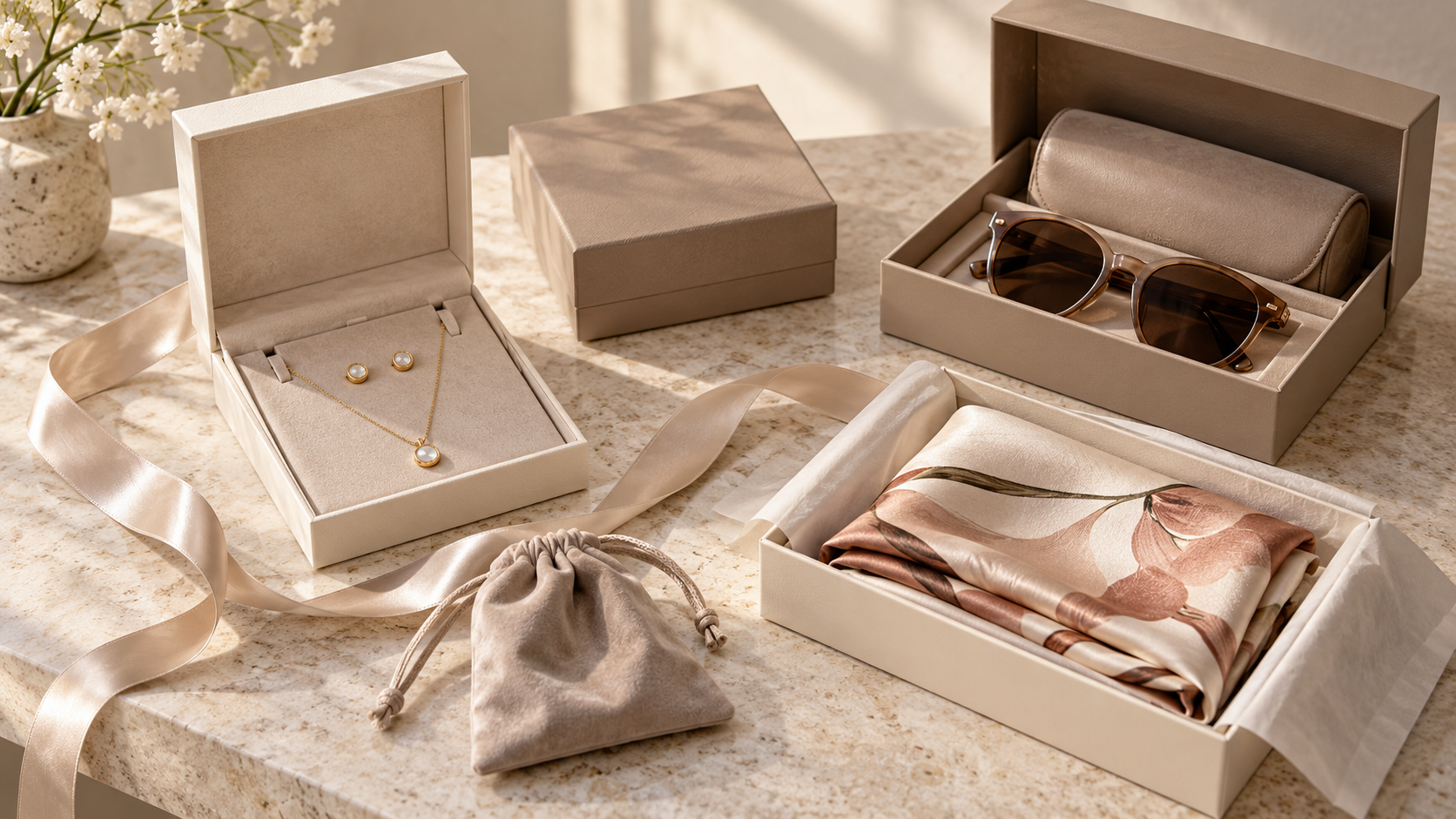
For smaller pieces, custom jewelry packaging can bring boxes, pouches, cards and inserts together around each item’s needs. Scarves and other wardrobe accessories can follow the same visual direction as your custom packaging for clothing, helping the entire purchase feel coordinated.
| Accessory Type | Potential Packaging Format | Main Design Consideration |
| Jewelry | Small box, pouch, or fitted insert | Keep delicate pieces secure and organized. |
| Sunglasses | Structured box sized around the frames or case | Allow room for protection without excessive movement. |
| Belts | Presentation box or sleeve | Accommodate the buckle and intended product arrangement. |
| Wallets | Fitted carton or rigid box | Protect the surface and create a clean presentation. |
| Scarves | Tissue-lined box or fabric pouch | Preserve the folded presentation without crowding. |
| Hair Accessories | Backing card, pouch, or compartmented box | Keep individual pieces together and easy to access. |
These formats are starting points. The final choice should reflect the product’s dimensions, weight, finish, and route to the customer.
Start With Product Dimensions And Protection
Measure the complete product before selecting a package. Include any case, backing card, hardware, or additional components that customers receive with it. A wallet sold alone may need a different box from the same wallet bundled with a keychain.
Interior support deserves as much attention as the exterior. Inserts, compartments, and wrapping can help limit movement, separate pieces, and protect exposed surfaces. Their usefulness depends on the item and how it will be handled.
Pay particular attention to:
- Chains and necklaces that can tangle.
- Polished surfaces that can rub against other components.
- Buckles, clasps, and decorative elements that protrude.
- Multiple products packaged together.
- The space customers need to remove an item comfortably.
An oversized box can leave too much room for movement. An overly tight fit can make packing difficult and create pressure on the product.
Select Materials And Finishes That Fit Your Brand
Materials influence how a package feels, holds its shape, and presents the product. Custom rigid boxes can support a substantial presentation, while folding cartons offer another option for organizing and branding individual items. Fabric pouches can provide a softer presentation, and coordinated paper bags can complete the retail purchase.
Choose finishes with the product and customer in mind. A textured surface, restrained color palette, or carefully placed printed pattern may provide enough visual interest without adding several decorative elements.
Keep these decisions connected:
- Structure: Match the package to the product’s support needs.
- Texture: Choose a surface that complements the accessory.
- Color: Maintain consistency across boxes, bags, and wrapping.
- Artwork: Leave enough space for clear, balanced branding.
The package should make the accessory feel well presented without competing for attention.
Plan For Retail Displays And Ecommerce Delivery
Retail packaging needs to work on shelves, behind counters, and during checkout. Consider how staff will identify products, store empty packaging, and prepare purchases during busy periods. Attractive packaging becomes less useful if it is difficult to stack or assemble.
Ecommerce adds another set of handling conditions. A presentation box may need an outer shipping package and suitable cushioning to help protect it during transit. Test the complete packed order, including the product, inserts, wrapping, and shipping materials.
Also plan labels and barcodes. Leaving room for them during design helps prevent important artwork from being covered later. Across both channels, a repeatable packing process supports a more consistent customer experience.
Create A Coordinated Gift And Unboxing Experience
Accessories often become gifts, so presentation can influence whether an order feels ready to give. Branded tissue paper, ribbons, pouches, and inserts can create a coordinated experience when they share a clear visual direction. Each element should have a purpose and be easy to handle.
A gift set also needs an intentional interior layout. Separate compartments or individual wrapping can keep a bracelet, earrings, and necklace organized while making each piece visible as the package opens.
Seasonal collections can build on an established packaging system through color, artwork, or selected finishing details. Keeping the underlying structure consistent can simplify planning across different releases. The result should feel considered, with an opening sequence that makes the product easy to find and remove.
Avoid Common Packaging Mistakes As Your Collection Grows
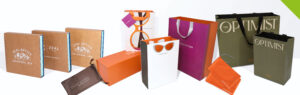
Packaging decisions become harder to manage when every new product introduces a completely different format. Coordinated packaging collections help carry a consistent color palette and visual identity across different packaging pieces. A planned range of sizes can support a growing collection, as long as each item still gets the fit and protection it needs.
Common mistakes include:
- Ordering packaging before confirming product measurements.
- Using one insert for products with different shapes.
- Adding details that slow assembly or block access to the product.
- Overlooking the outer shipping package.
- Allowing colors and artwork to vary across related products.
Review packaging alongside new product development. That gives your team time to assess fit, presentation, and packing requirements before launch.
Build Your Custom Packaging With Prime Line Packaging
At Prime Line Packaging, we can help you plan packaging around your products, brand, and customer experience. Share your accessory types, dimensions, sales channels, and presentation goals so we can discuss the right direction for your project.
Contact Prime Line Packaging to start planning custom packaging for your collection.
Frequently Asked Questions About Accessory Packaging
What Is Accessory Packaging?
Accessory packaging is the box, bag, pouch, wrapping, or interior support used to present and protect products such as jewelry, sunglasses, belts, and scarves. Its design should reflect the item’s shape, materials, and handling needs. Packaging also gives brands space to create a consistent visual experience across a collection.
What Packaging Works Best For Jewelry And Small Accessories?
Small boxes, pouches, backing cards, and fitted inserts are potential options, depending on the product. A necklace may need support that helps keep the chain organized, while earrings may benefit from a card or insert that holds the pair together. Review the complete packed item before choosing a format for the collection.
How Do I Choose The Right Packaging Size?
Measure the product as it will arrive, including any case, backing card, or bundled pieces. Allow space for the insert or wrapping, along with enough clearance for comfortable removal. A physical sample helps confirm whether the planned dimensions work during packing and opening.
Do Accessories Need Custom Inserts?
Custom inserts can be useful when a product needs to stay in a specific position or when multiple components share a box. Delicate jewelry, exposed hardware, and items with polished surfaces may benefit from carefully designed support. Simple products may work well with wrapping or a pouch, depending on their handling requirements.
Can The Same Packaging Work For Retail And Ecommerce?
The same presentation packaging may serve both channels if it suits the product and packing process. Ecommerce orders still need an appropriate outer shipping package and any necessary cushioning. Evaluate the complete shipment so the presentation package protects both the accessory and its contents.
Which Materials Create A Premium Presentation?
Rigid boxes, textured papers, fabric pouches, and selected finishes can contribute to a premium presentation. The overall effect depends on fit, construction, artwork, and how the elements work together. A clean layout and well-supported product can be more effective than adding decorative details without a clear purpose.
How Can I Package Multiple Accessories In One Gift Set?
Start with the dimensions and arrangement of every item included in the set. Compartments, inserts, or individual wrapping can help separate pieces and keep the presentation organized. Make sure customers can remove each accessory easily without disturbing or damaging the remaining products.
What Information Should I Provide For A Custom Packaging Project?
Provide product dimensions, photos or samples, expected quantities, branding assets, and your preferred presentation. Include your budget, sales channels, and desired timing so the project can be assessed in context. Mention any gift sets, seasonal variations, or planned additions that could affect packaging sizes and consistency.