

A great clothing purchase should feel considered from the moment the customer sees the package to the moment they unfold the garment inside.
That experience matters most for ecommerce brands, boutiques, premium collections, influencer kits, gift orders, and special releases. The apparel may be the product, but the box frames the entire presentation.
A well-designed custom clothing box can protect garments, keep folded apparel organized, reinforce brand identity, and make an order feel more complete. It can also give brands a flexible packaging format that works across retail, ecommerce, gifting, and seasonal collections.
The key is designing the box around the clothing instead of forcing the clothing into a generic package.
Start With The Clothing Inside The Box
Start packaging design with the garment. A lightweight T-shirt doesn’t require the same box dimensions as a sweater. A scarf may need little depth, while a coordinated outfit or gift set may need a larger structure with enough room for multiple pieces.
Before choosing a box, consider:
- The folded dimensions of the garment
- The thickness of the product
- The number of items packaged together
- Whether tissue paper will be included
- Whether inserts or dividers are needed
- How much movement is acceptable inside the box
- Whether the order will be shipped or handed directly to a retail customer
A box that is too large can make a small garment look lost. Excess space can also allow products to move during handling.
A box that is too small creates a different problem. Apparel may need to be folded awkwardly, tissue can become compressed, and the customer may open the package to a presentation that feels forced rather than polished. Apparel packaging works best when the structure is selected around the merchandise itself.
Choose A Box Structure That Fits The Experience
Not every apparel brand needs the same kind of box. The right structure depends on the product, price point, fulfillment process, storage requirements, and the experience the brand wants to create.
Common directions can include:
- Folding boxes for efficient storage and polished retail presentation
- Rigid boxes for premium collections and gift-focused packaging
- Corrugated boxes for ecommerce shipping and additional protection
- Collapsible rigid boxes for brands seeking a substantial presentation with more efficient storage
- Two-piece boxes for classic apparel and gift packaging
- Specialty structures for curated sets, launches, and promotional kits
Prime Line Packaging offers box formats ranging from custom folding boxes to rigid setup and corrugated shipping boxes, giving brands room to match the structure to how a product is sold and delivered.
The goal isn’t simply to choose the most elaborate box. It is to choose the structure that makes sense for the clothing inside it.
Folding Boxes Work Well For Everyday Apparel Packaging
Folding boxes are especially useful for brands packaging shirts, lightweight knitwear, accessories, underwear, scarves, and other products that can be neatly folded into a relatively shallow format.
They create a clean presentation while remaining practical for brands that need to store packaging before use.
A flat or efficiently stored box can be particularly useful for retail locations and fulfillment areas where packaging inventory takes up valuable space.
Customization can make the structure feel far more premium than a standard carton. Prime Line’s existing apparel packaging guidance highlights options such as foil details, spot UV, pearlized papers, interior printing, and other finishes that can help folding boxes feel gift-ready rather than purely functional. The structure may be simple, but the presentation doesn’t have to be.
Rigid Boxes Can Support Premium Clothing Collections
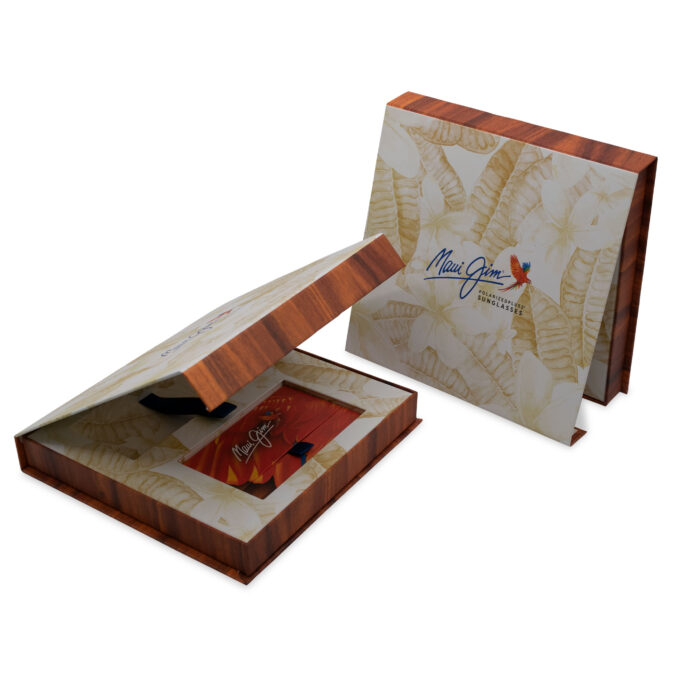
Some garments benefit from a more substantial presentation. Luxury knitwear, limited-edition pieces, premium accessories, bridal products, curated sets, and high-value collections may feel more appropriate inside a rigid box.
Rigid structures have a stronger physical presence. Customers feel the package before they even see the product inside, which can reinforce the perceived quality of the purchase.
They also create opportunities for details such as:
- Lift-off lids
- Magnetic-style presentation concepts where appropriate
- Interior printing
- Custom inserts
- Ribbon pulls
- Tissue wraps
- Foil logos
- Embossed or debossed branding
- Coordinated cards and accessories
A premium box should still be driven by the garment, not decoration alone. If the product doesn’t fit naturally, even an expensive-looking package can feel poorly considered.
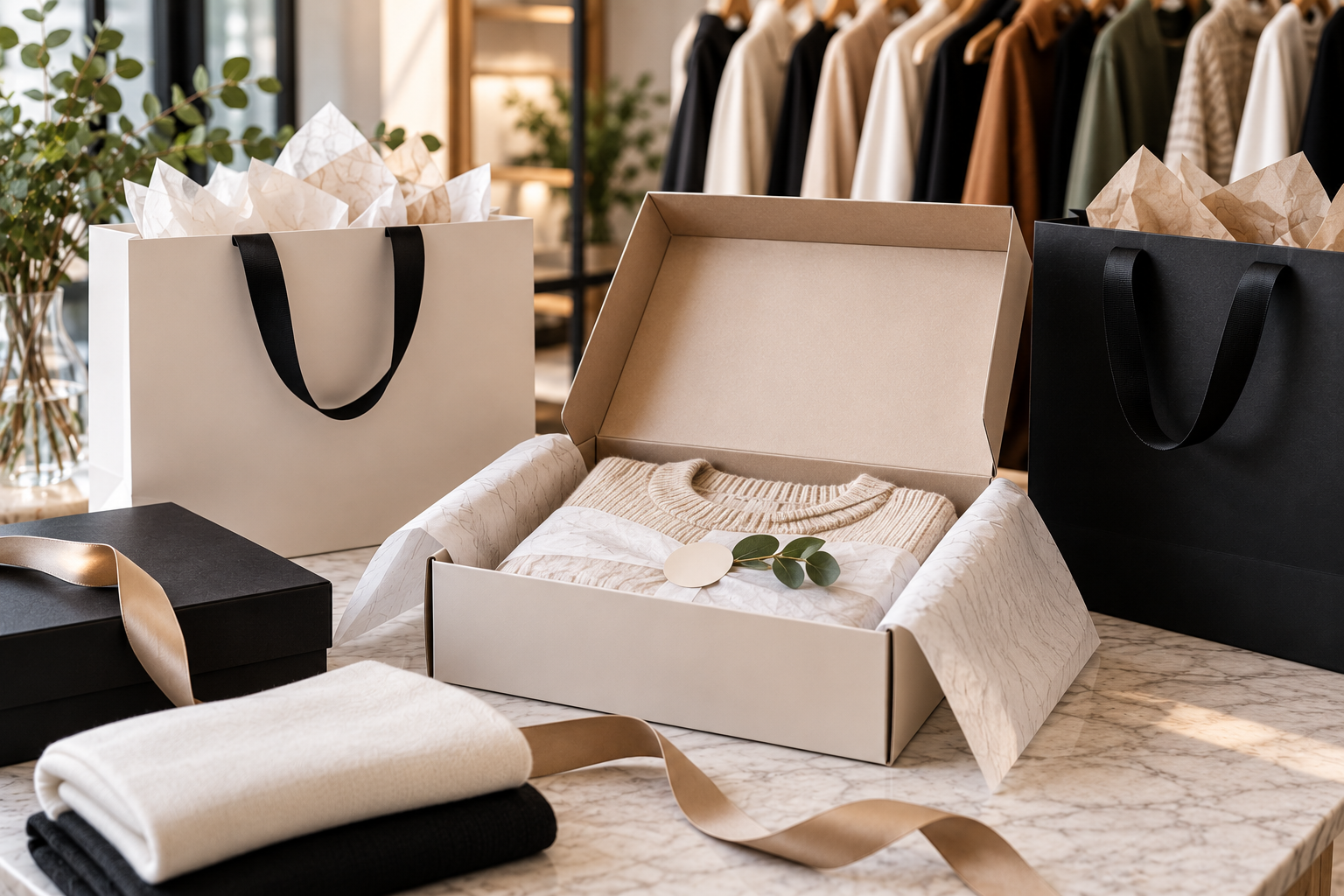
Use Tissue Paper To Build The Reveal
One of the simplest additions to a clothing box can also make one of the biggest visual differences.
Tissue paper separates the customer from the garment for a moment, adding another layer to the reveal. It can also help keep folded products organized and create a cleaner presentation inside the box.
Brands may choose:
- Solid-color tissue coordinated with brand colors
- Custom-printed tissue
- Repeating logo patterns
- Seasonal designs
- Tissue secured with a branded sticker or seal
The goal is not to bury the clothing under layers of packaging. A few carefully chosen elements can make the order feel intentional without becoming cumbersome.
This approach also connects naturally with custom packaging for clothing that elevates every order, where boxes, tissue, stickers, garment bags, and other coordinated details work together to create a more complete apparel presentation.
Make The Inside Of The Box Part Of The Design
Brands sometimes focus so heavily on the outside of the box that the interior becomes an afterthought. That misses an important branding opportunity. The customer may only see the exterior for a few seconds before opening it. Once the lid comes off, the interior becomes the backdrop for the clothing itself.
Interior design possibilities can include:
- A contrasting brand color
- Printed patterns
- Short brand messaging
- Product-care information
- A simple logo
- Artwork tied to a collection
- Seasonal graphics
- An insert card placed above the garment
Interior printing can be especially effective for ecommerce orders because customers experience the package privately, often after interacting with the brand only through a website or social platform.
The box gives that digital identity a physical form.
Turn Clothing Packaging Into Gift Packaging
Apparel is often purchased as a gift, giving clothing brands a chance to make packaging useful beyond transportation. A thoughtfully designed box can eliminate the need for separate gift wrapping.
Brands can strengthen that effect with:
- Decorative interior printing
- Coordinated tissue
- Ribbon closures
- Gift message cards
- Branded seals
- Seasonal sleeves
- Limited-edition artwork
This can work especially well during holidays, birthdays, Valentine’s Day, Mother’s Day, Father’s Day, graduations, weddings, and corporate gifting periods.
Design The Box For Ecommerce And Shipping
A beautiful retail box and a successful ecommerce package aren’t always the same thing. Clothing shipped directly to customers may go through conveyors, stacking, warehouse handling, delivery vehicles, weather exposure, and multiple transfers before reaching its final destination.
The presentation box may need additional protection during that journey. Depending on the project, brands can place the clothing box inside:
- A corrugated shipping box
- A custom mailer
- A protective outer carton
- Another appropriate ecommerce shipping format
This keeps the interior package clean and presentable when the customer opens the shipment. It also creates two separate branding moments. The customer first sees the shipping package, then reaches the more polished clothing box inside.
For premium apparel, subscriptions, influencer kits, product launches, and gifting programs, that layered reveal can become a significant part of the unboxing experience.
Use Finishes To Reinforce The Brand
Custom finishes should support the clothing brand’s identity rather than simply add decoration.
A minimalist fashion label might use an understated box with a small embossed logo. A bold streetwear brand might choose high-contrast graphics, oversized typography, or dramatic interior printing. A luxury apparel company may lean toward subtle foil, textured paper, or soft-touch surfaces.
Options can include:
- Foil stamping
- Embossing
- Debossing
- Spot UV
- Matte lamination
- Gloss lamination
- Soft-touch finishes
- Metallic details
- Printed patterns
- Specialty papers
Prime Line Packaging offers many of these treatments across custom boxes and retail packaging, allowing brands to coordinate materials, structure, color, and finish as part of one packaging system. The best finish feels natural next to the garment and the brand.
Create Different Box Sizes Without Losing Brand Consistency
Growing apparel brands often need more than one clothing box. A single box may work for one folded shirt but become impractical for a sweater, jacket, multi-piece outfit, or accessory set.
Instead of forcing every product into one structure, brands can build a family of boxes.
That might include:
- A shallow box for shirts and lightweight garments
- A medium box for knitwear and multiple items
- A larger format for sets and heavier clothing
- A premium structure for gifting or special collections
- A dedicated accessory box for smaller products
Dimensions may change, but the branding should remain consistent. Using the same typography, logo placement, print treatment, paper family, color palette, and tissue presentation helps the different boxes feel connected.
Customers don’t need every package to look identical. They need every package to clearly belong to the same brand.
Consider The Full Apparel Packaging System
The clothing box doesn’t have to work alone. It may be one component within a broader retail and ecommerce packaging collection.
A coordinated apparel system might include:
- Custom clothing boxes
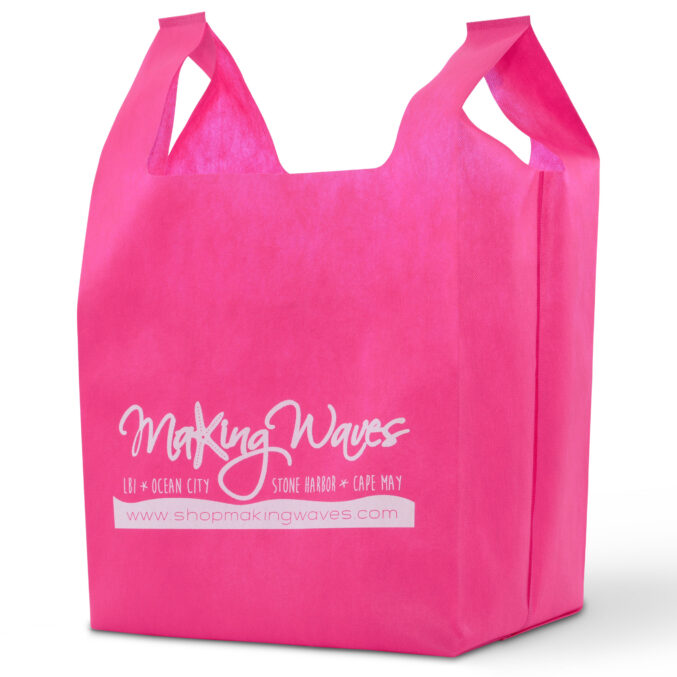
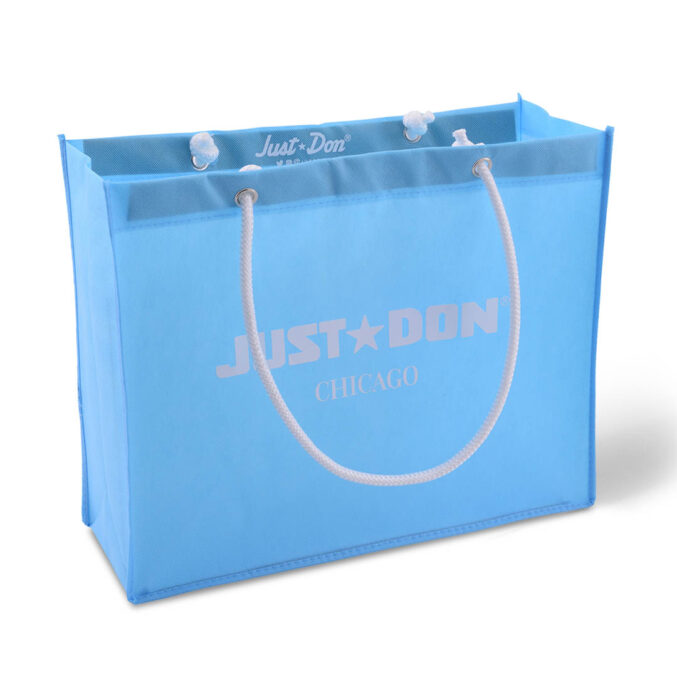
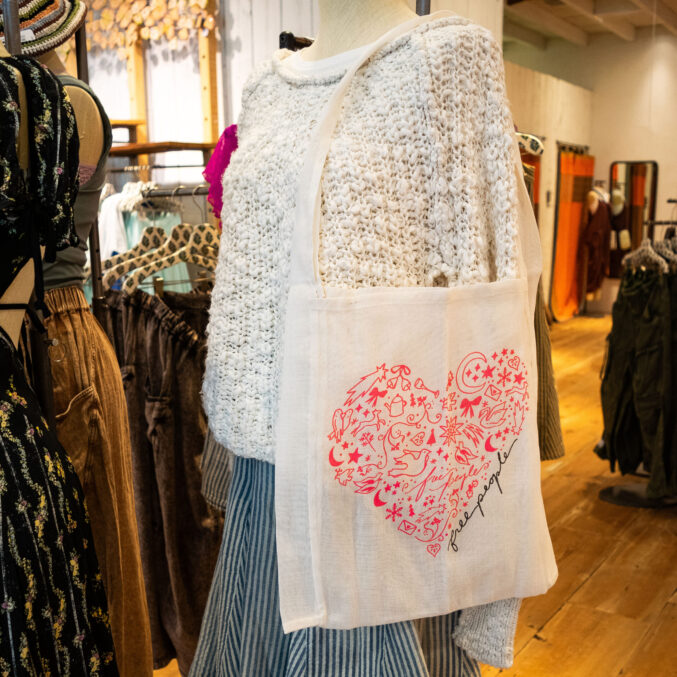
- Euro tote shopping bags
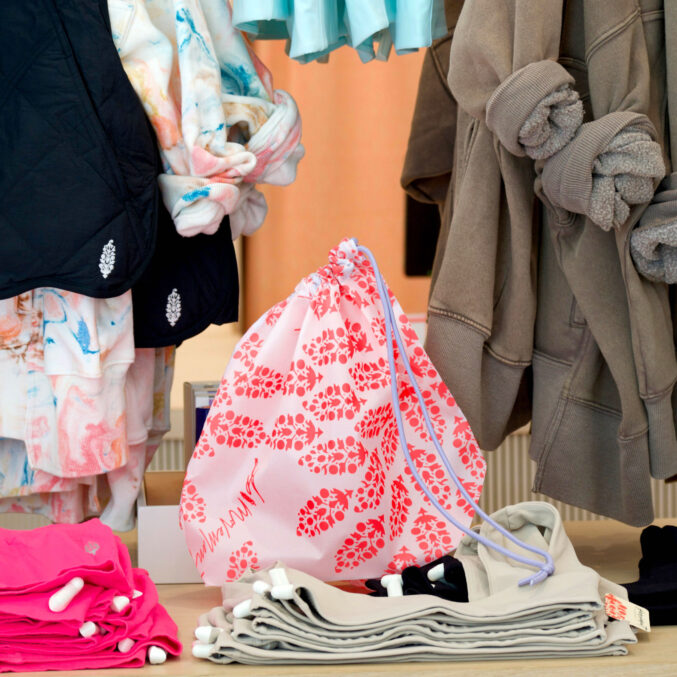
- Garment bags
- Tissue paper
- Stickers
- Ribbons
- Insert cards
- Poly mailers
- Corrugated ecommerce packaging
- Gift packaging
- Seasonal packaging
Using coordinated boxes, bags, tissue, ribbons, and accessories to carry the same visual identity from the store to the customer’s home. Thinking in terms of a packaging system also makes it easier to expand into new products later.
Common Custom Clothing Box Mistakes To Avoid
Small packaging decisions can noticeably affect the final experience.
Common mistakes include:
- Choosing a box before measuring the folded garment
- Using too much empty space
- Compressing garments into boxes that are too shallow
- Forgetting how tissue changes the internal dimensions
- Designing only the exterior
- Adding finishes that don’t fit the brand
- Ignoring how boxes will be stored before use
- Forgetting the shipping environment
- Using one box size for an entire apparel collection
- Creating seasonal packaging that no longer feels connected to the core brand
Physical samples can help identify these problems before production. Place the actual clothing inside. Fold it the way the customer will receive it. Add the tissue, cards, inserts, or other components. Close the box and reopen it as though you’re seeing the order for the first time.
Test packaging as an experience, not just as artwork.
Build A Custom Clothing Box Around Your Brand
The right clothing box can do far more than contain a garment. It can organize the product, protect presentation, support gifting, create anticipation, and carry a fashion brand’s visual identity directly into the customer’s hands.
At Prime Line Packaging, we help apparel brands develop packaging around the products they actually sell. From folding boxes and premium structures to tissue, bags, ribbons, inserts, and ecommerce packaging, each component can be designed to work as part of one complete presentation.
Bring us the clothing. We’ll help build the packaging around it.
Start a project with Prime Line Packaging and create a clothing packaging system designed around your brand.
Frequently Asked Questions About Custom Clothing Boxes
What Is A Custom Clothing Box?
A custom clothing box is a box designed specifically around an apparel brand’s products, dimensions, presentation, and visual identity. It can be customized through size, structure, printing, materials, finishes, interior details, and accessories. The goal is to create packaging that fits the garment while reinforcing the brand experience.
What Type Of Box Is Best For Clothing?
The best box depends on the garment and how it will be sold. Folding boxes can work well for shirts, lightweight knitwear, and accessories, while more substantial box structures may suit premium apparel, gift sets, or special collections. Ecommerce orders may also require an outer shipping package to protect the presentation box.
How Do I Choose The Right Size Clothing Box?
Start with the garment after it has been folded exactly as it will be presented to the customer. Measure its length, width, and depth, then account for tissue, inserts, cards, or additional products that will be packaged with it. Avoid excessive empty space, but leave enough room for the clothing to sit naturally.
Can A Clothing Box Double As Gift Packaging?
Yes. Apparel boxes are particularly well suited to gift presentation. Decorative printing, tissue, ribbon, branded seals, and interior design can make the package feel complete without requiring the customer to wrap it separately.
Can Clothing Boxes Be Custom Printed Inside And Outside?
Many custom box formats can incorporate exterior and interior printing depending on the structure and project specifications. Interior printing gives brands another opportunity to add color, patterns, artwork, or messaging during the unboxing experience. The final design should keep the clothing as the main focus.
What Can I Put Inside A Custom Clothing Box?
You can add tissue paper, garment wraps, insert cards, stickers, ribbons, product information, gift notes, and other presentation accessories, depending on the box and garment. Some clothing sets may also use dividers or inserts to organize multiple products.
Do Ecommerce Clothing Brands Need A Separate Shipping Box?
Often, yes. A presentation box may not be designed to handle the full shipping environment on its own. An outer mailer or corrugated shipping carton can protect the branded clothing box so it reaches the customer clean and presentable.
Can I Create Multiple Clothing Box Sizes With The Same Branding?
Yes. Creating a coordinated family of sizes is often more practical than forcing every garment into one box. Consistent printing, materials, colors, logo placement, and finishing details can keep several box sizes visually connected across the apparel collection.