Wine packaging has to do more than hold a bottle. The right box should protect the glass, control movement, complement the bottle shape, support the intended presentation, and give customers an experience that fits the product inside.
That’s one reason choosing a box based only on bottle volume can create problems. Two bottles that both hold 750 mL can have noticeably different heights, diameters, shoulders, bases, and closures. Add an insert, decorative interior, or second bottle and the required box size changes again.
At Prime Line Packaging, we approach wine and bottle boxes as part of the complete packaging system. The bottle, structure, insert, materials, presentation, and intended use must all work together.
Here’s what brands should consider before determining the final size of a wine box.
Understanding Wine Box Dimensions
A wine box is typically measured using three basic dimensions: length, width, and height. Those measurements sound straightforward, but the useful dimensions for a finished package depend on what goes inside the box and how the product will be supported.
Interior dimensions are particularly important. A box that technically fits a bottle may still be a poor fit if the bottle presses against the walls, shifts too much, or leaves too much unused space around the product.
Exterior dimensions will be slightly larger because the box material itself has thickness. That difference becomes more noticeable with rigid board, corrugated construction, layered structures, or boxes containing substantial inserts.
There’s also no single universal set of wine box dimensions that works for every bottle. The safest approach starts with the physical bottle that will actually be packaged.
A good packaging plan should account for:
- The bottle’s total height.
- The widest point of the bottle.
- The shape of the shoulders.
- The bottle’s base.
- Corks, caps, wax seals, or decorative closures.
- The amount of clearance required.
- Any inserts or dividers.
- Interior accessories.
- Whether the box is meant for retail, gifting, presentation, or shipping.
Getting those details right at the beginning creates a much better foundation for everything that follows.
Start With The Bottle, Not The Box
Start wine packaging with an accurate measurement of the bottle.
Measure from the bottom of the base to the highest point of the closure. Then measure the bottle at its widest point rather than assuming the body maintains the same diameter from top to bottom.
The shoulders matter too. A Bordeaux-style bottle may fit a structure differently than a Burgundy-style bottle, even if both contain the same volume of wine.
Closures can also add unexpected height. Corks, foil capsules, decorative tops, wax seals, and specialty caps should all be included in the measurement.
Another important consideration is clearance. A bottle shouldn’t have to be forced into its packaging. At the same time, leaving a large cavity around the bottle can make the packaging feel poorly fitted and allow unnecessary movement.
That’s where inserts come in.
Prime Line Packaging can create custom box packaging around a particular product rather than trying to force a specialty bottle into a predetermined package.
Bring us the bottle, and we can help build the packaging around it.
Common Wine Bottle Sizes And How They Affect Packaging
Bottle capacity doesn’t tell you everything you need to know about physical size.
The familiar 750 mL format comes in several bottle styles, and each can create different packaging requirements.
Bordeaux bottles generally have pronounced shoulders and relatively straight sides. Burgundy bottles tend to have sloping shoulders and broader bodies. Riesling-style bottles are often taller and narrower.
Champagne and sparkling wine bottles can be noticeably wider and heavier than many standard still-wine bottles. Their bases can also be substantial, which may require a wider package and stronger interior support.
Then there are magnums and other large-format bottles. These need packaging designed around both the increased dimensions and increased weight.
Specialty wineries can take things even further with distinctive glass shapes, oversized bases, sculptural bottles, decorative closures, or limited-edition designs.
Those variations are exactly why box sizing shouldn’t be based on capacity alone.
Measure the actual bottle that will be packaged. That small step can prevent major structural problems later.
Single-Bottle Wine Boxes
Single-bottle boxes are one of the most versatile formats available to wineries, retailers, hospitality businesses, corporate gifting programs, and specialty brands.
They can be used for:
- Tasting-room purchases.
- Premium bottles.
- Corporate gifts.
- Holiday releases.
- Limited editions.
- Promotional events.
- Wedding gifts.
- Retail displays.
- Hotel and hospitality gifting.
The structure itself can range from a straightforward folding carton to an elaborate rigid presentation box.
A simple single-bottle carton might focus primarily on fit and retail presentation. A premium rigid box may include a custom insert, decorative paper, ribbon, printed interior, foil stamping, or a magnetic closure.
Those additions affect final dimensions.
For example, an insert that holds the bottle slightly away from the interior walls requires additional space around the product. A neck support may require more room near the top of the package. A thick rigid board construction can also increase the exterior size compared with a lightweight folding box.
The goal should be a package that feels intentional from the moment the customer picks it up.
Two-Bottle And Three-Bottle Wine Boxes
Multi-bottle boxes add another layer of structural planning.
It might seem logical to take the width of one bottle and simply double or triple it. In practice, that approach ignores several important elements.
Bottles need separation.
Glass bottles that continuously knock against one another can be damaged, scratched, or broken. A divider or insert creates controlled spacing between each bottle.
That divider has its own thickness, which has to be included in the overall structure.
The configuration also affects the box.
Two bottles might sit side by side, while a presentation package could position bottles horizontally. Three-bottle packages can be arranged in a row or in another structural format depending on the desired experience.
Wine gift sets may also include additional items, such as:
- Corkscrews.
- Bottle stoppers.
- Wine glasses.
- Tasting cards.
- Chocolates.
- Gourmet foods.
- Printed materials.
- Gift notes.
Once accessories enter the package, the structure becomes less like a simple bottle box and more like a complete presentation system.
Planning the layout first makes it easier to create a box that feels organized, not oversized.
Wine Box Inserts Can Change The Required Dimensions
An insert is one of the most important components inside many wine boxes.
Its job is to support the product and help manage movement inside the package. Depending on the design, an insert can hold the bottle at the base, support the neck, separate multiple bottles, create individual compartments, or position accessories alongside the wine.
Possible configurations can include:
- Die-cut paperboard inserts.
- Corrugated dividers.
- Interior platforms.
- Formed supports.
- Neck holders.
- Compartment systems.
- Cushioned interior components where appropriate.
Ideally, develop the box and insert together.
Adding an insert after the exterior structure is finalized can create fit problems. The insert takes up space, and that space needs to be included in the package from the beginning.
A well-designed insert also improves presentation.
Instead of opening a box and seeing the bottle sitting loosely inside, the customer sees it held deliberately in place. That small detail can make premium packaging feel significantly more refined.
Gift Boxes And Presentation Boxes For Wine
Wine is often purchased as a gift, which makes presentation packaging particularly valuable.
A premium bottle presented in a thoughtfully designed box can feel substantially different from the same bottle handed over without secondary packaging.
Several box structures can work well for wine gifting, including:
- Rigid setup boxes.
- Magnetic closure boxes.
- Two-piece boxes.
- Folding boxes.
- Drawer-style boxes.
- Premium presentation boxes.
Prime Line Packaging offers a broad range of box structures, including rigid, folding, corrugated, magnetic closure, two-piece, presentation, and wine and bottle boxes.
Custom rigid box packaging can be especially effective for premium gifting because it gives brands more freedom to create a structured presentation around the product.
Interior details can add another layer to the experience.
Tissue, ribbon, inserts, printed panels, decorative papers, and compartments can all contribute to the finished presentation.
Each element also requires space.
That’s why a gift box designed around an elaborate unboxing experience may need more interior room than a standard retail carton holding the exact same bottle.
Shipping Wine Requires A Different Packaging Approach
A beautiful retail box and a protective shipping box don’t necessarily serve the same purpose.
Display packaging may prioritize presentation and branding. Shipping packaging must withstand movement, stacking, handling, impacts, and other physical demands of transportation.
Corrugated construction is commonly used for shipping applications because it can provide the structural support required for transit.
Interior bottle separation becomes especially important in multi-bottle shipments. The package should help prevent bottles from contacting one another and reduce uncontrolled movement within the carton.
Empty space should also be addressed. A bottle moving freely inside a large shipping carton creates unnecessary risk.
Depending on the package, the shipping system may involve:
- A corrugated outer carton.
- Individual bottle compartments.
- Dividers.
- Protective inserts.
- Reinforced areas.
- Interior cushioning.
- A presentation box inside a separate shipping carton.
Brands shipping wine should also confirm applicable carrier requirements, destination restrictions, alcohol shipping regulations, and packaging requirements before sending products.
Our guide to shipping boxes offers additional insight into creating packaging that can withstand the delivery process.
Choosing Materials For A Wine Box
Material choice influences structure, appearance, weight, durability, and final box dimensions.
Corrugated board is commonly used for shipping because it provides greater structural protection.
Folding cartons can work well for retail packages that need a lighter structure and attractive printed presentation.
Rigid board creates a substantial package often associated with gifting, premium collections, limited releases, and high-end retail presentation.
Specialty papers and wraps can then change how the finished package looks and feels without requiring brands to rely exclusively on printed graphics.
Material thickness also matters.
Interior and exterior dimensions aren’t always identical, particularly with thicker board or multi-layered structures. A package designed around precise tolerances should account for that difference during development, not after production begins.
The right material ultimately depends on how the box will be used.
Add Branding Without Compromising The Fit
Structure should come before decoration.
A beautiful box that doesn’t properly hold the bottle has missed the most basic requirement of packaging.
Once you’ve determined the structure, size, and insert system, the visual presentation can take shape.
Wine packaging can incorporate finishing treatments such as:
- Foil stamping.
- Embossing.
- Debossing.
- Spot UV.
- Matte lamination.
- Gloss lamination.
- Exterior printing.
- Interior printing.
- Specialty papers.
Prime Line Packaging also offers specialty treatments for beverage packaging, including printing, spot UV, laminations, and foil stamping.
These treatments can help carry elements from the bottle label onto the outer packaging so the entire presentation feels connected.
Don’t Forget Wine Bags And Complementary Packaging
Boxes aren’t the only packaging wineries and wine retailers should consider.
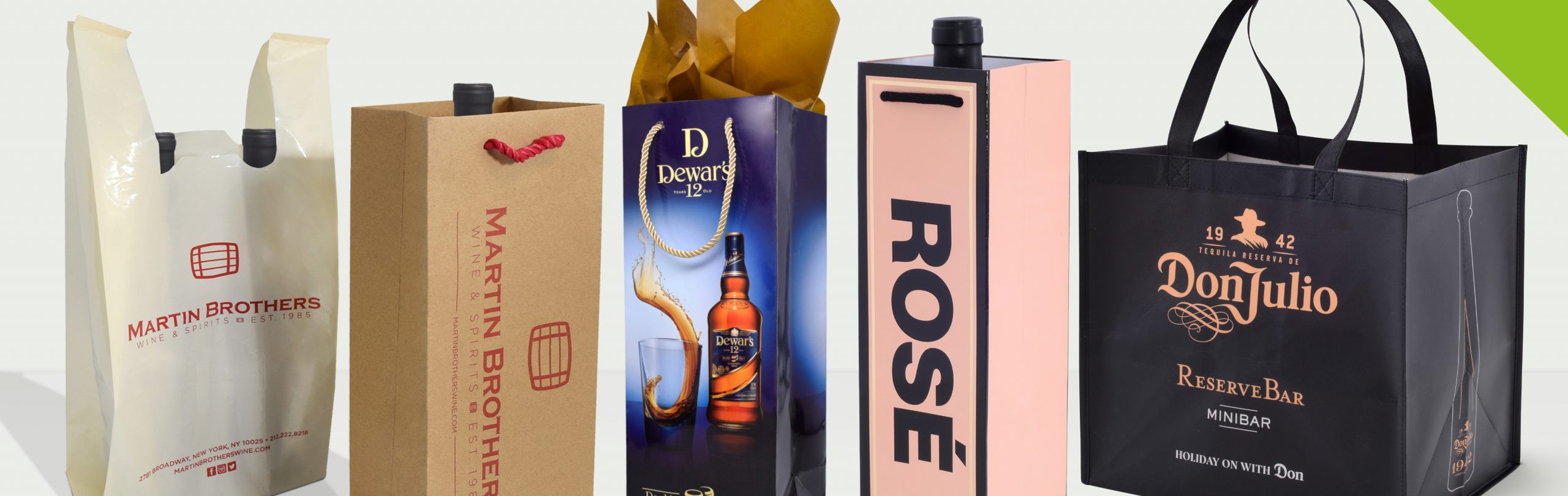
Wine bags offer an effective retail or gifting option for customers buying individual bottles. They can also support seasonal promotions, events, tasting rooms, gift programs, and special releases.
A coordinated packaging collection might include:
- Wine boxes.
- Wine bags.
- Shopping bags.
- Tissue.
- Ribbon.
- Hang tags.
- Gift cards.
- Printed inserts.
Our custom wine bags can complement boxed packaging while giving customers another way to carry or present bottled products.
Keeping the visual identity consistent across these pieces creates a stronger overall retail presence.
A customer might receive a premium bottle inside a presentation box that is then placed inside a matching bag. Another customer might simply purchase a bottle in a branded wine bag.
Both experiences can still feel like part of the same brand.
Common Wine Box Sizing Mistakes
Many wine packaging problems begin with a measurement or planning mistake.
One of the most common is assuming every 750 mL bottle is physically identical. They aren’t.
Other sizing mistakes include:
- Measuring only the bottle’s main body.
- Forgetting to include the closure.
- Ignoring the width of the shoulders or base.
- Failing to account for insert thickness.
- Leaving too much unused interior space.
- Creating a package with virtually no clearance.
- Designing artwork before confirming the structure.
- Adding accessories after the box has already been sized.
- Assuming a gift box automatically provides sufficient shipping protection.
- Ordering packaging before testing the structure with the actual product.
Prototype testing can be particularly valuable.
Place the real bottle inside the proposed structure. Check how easily it goes in and comes out. Look for movement. Test the insert. Examine how the package opens and closes.
Those small checks can reveal problems that measurements alone might miss.
Create Wine Packaging Built Around Your Bottle
A wine bottle deserves packaging that fits the product, not packaging that forces the product to fit.
At Prime Line Packaging, we can help develop boxes that account for the bottle itself, the insert system, presentation goals, materials, finishes, retail environment, and intended customer experience.
Whether you’re creating packaging for one premium bottle, a multi-bottle gift set, a winery collection, or a complete retail packaging program, getting the structure right is the place to start.
Bring us the bottle. We’ll help build the packaging around it.
Start your project with Prime Line Packaging and create a package designed to fit the product from the inside out.
Frequently Asked Questions About Wine Box Dimensions
What Are Standard Wine Box Dimensions?
No single standard applies to every wine box. Bottle height, width, shape, closure, bottle count, box structure, and interior inserts can all change the required measurements. A box made for a slender Riesling-style bottle may not properly accommodate a broader Burgundy or Champagne bottle. Measuring the actual bottle is the best place to start.
How Much Larger Should A Wine Box Be Than The Bottle?
The box needs enough interior clearance to allow the bottle to fit comfortably and accommodate any insert or protective component. The exact amount depends on the structure and material being used. Too little space can make the bottle difficult to insert or remove, while too much space can allow unwanted movement. Packaging should be engineered around the entire product and interior support system.
What Size Box Fits A 750 mL Wine Bottle?
A 750 mL bottle doesn’t have one guaranteed physical size. Bordeaux, Burgundy, Riesling, sparkling wine, and specialty bottles can all vary in height and width while holding the same volume. Measure the bottle from its base through its closure and record its widest point before selecting the box. This creates a much more reliable fit.
What Dimensions Should A Two-Bottle Wine Box Have?
Two-bottle packaging should account for each bottle’s size plus the divider or insert separating them. The layout also affects the final dimensions. Bottles positioned side by side require a different structure than bottles arranged in another orientation. Accessories included with the wine can further increase the required space.
What Dimensions Should A Three-Bottle Wine Box Have?
Three-bottle packages depend on bottle style, positioning, divider thickness, and intended presentation. A straightforward retail carton may have very different dimensions from a three-bottle rigid gift box. Each bottle should have adequate clearance while remaining securely separated from the others. The complete package should be planned as one structure rather than three individual bottle spaces placed together.
Do Champagne Bottles Need Larger Boxes Than Wine Bottles?
They often do because Champagne and other sparkling wine bottles can have broader bodies, heavier glass, and substantial bases. Their exact dimensions still vary by bottle design. Measure the bottle rather than assuming a standard still-wine box will accommodate it. A stronger insert or structure may also be appropriate depending on the packaging application.
Should Wine Shipping Boxes Be Larger Than Gift Boxes?
Shipping cartons may require additional room for protective inserts, dividers, or other structural components. A gift box focuses heavily on presentation, while a shipping package needs to help manage the physical demands of transportation. In some cases, the gift box itself is placed inside a separate shipping carton. That creates two different sets of dimensions for the same bottle.
Can Wine Boxes Be Made To Fit A Specific Bottle?
Yes. Custom packaging allows the box and interior components to be developed around a specific bottle, bottle collection, or gift set. This can create a much more controlled fit than trying to adapt an existing generic package. Prime Line Packaging can help brands develop the structure, materials, inserts, and finishing details around the product they actually need to package.