Custom Packaging Inserts That Make Every Product Feel More Intentional
Packaging does not end with the outside of the box. The inside has just as much power to shape how a customer feels when they open an order, gift, or retail purchase. A product that sits securely, looks centered, and feels carefully placed can make the whole experience feel more polished.
At Prime Line Packaging, we help brands think through the full packaging presentation, including the pieces customers see after the lid opens. For jewelry, accessories, gift sets, beauty products, and premium retail items, custom packaging inserts can help protect the product while giving it a stronger reveal.
A loose product inside a box can feel unfinished, even if the outer packaging looks great. The right insert changes that. It frames the product, keeps it in position, and gives customers a more confident first look at what they purchased. That is especially important for small items that can shift, tangle, scratch, or disappear visually inside a larger box.
For jewelry brands, custom necklace box inserts are a strong example of how interior packaging can improve both product security and customer presentation. A necklace does not just need a box. It needs to be held in a way that makes it look ready to wear, gift, photograph, or remember.
What Are Packaging Inserts?
Packaging inserts are interior pieces designed to hold, support, separate, cushion, or display products inside a box. They can be simple or highly detailed depending on the product, brand style, and level of protection needed. Some inserts are made to keep items from moving, while others are designed to create a more refined opening moment.
Common insert materials include foam, paperboard, cardboard, velvet, suede, fabric, acrylic, plastic, molded pulp, and other fitted materials. The right choice depends on the product’s shape, weight, fragility, and desired look. A jewelry box may need something soft and elegant, while a retail kit may need compartments that hold multiple pieces neatly in place.
Inserts can serve several practical roles:
- They can keep products from shifting inside the box.
- They can make small products easier to see when the package opens.
- They can separate multi-piece sets so each item has its own space.
- They can support a cleaner, more gift-ready presentation.
- They can help the inside of the box feel as branded as the outside.
A good insert should feel like it belongs in the package, not like an afterthought added at the end.
Why Inserts Are Especially Valuable For Jewelry And Small Products
Small products need thoughtful interior packaging because they can easily look lost inside a box. Jewelry, in particular, has to be presented with care. Necklaces can tangle, earrings can shift, rings can roll, and bracelets can sit awkwardly without the right support.
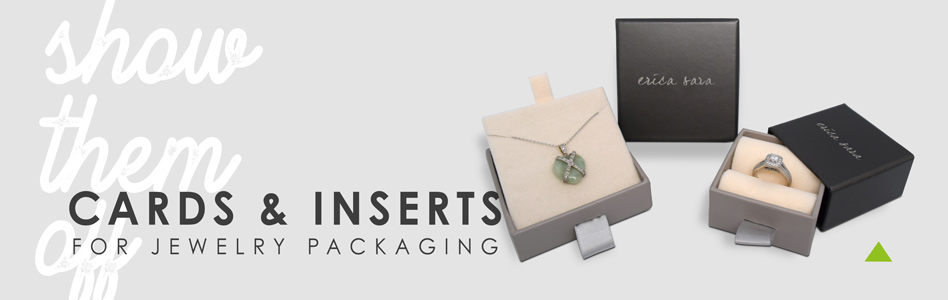
For jewelry brands, the insert controls the first reveal. A necklace resting on a velvet pillow creates a different impression than a loose chain inside a plain box. A ring set into a clean slot feels more deliberate. Earrings secured to a card or backing can look organized, balanced, and easier to understand at first glance.
The truth is branded jewelry packaging highlights how packaging materials, design, color, typography, and presentation all influence the way customers perceive a jewelry brand. Inserts belong in that same conversation because they affect both protection and appearance.
The right interior layout can also help ecommerce brands. A customer opening a shipped jewelry order should see the piece displayed in a way that feels intentional, not scattered from transit. The insert helps the package arrive closer to the way the brand intended.
Insert Materials And Styles Brands Can Choose
Packaging inserts come in many forms, and the best option depends on the product and customer experience. Jewelry brands may want a soft, premium interior. Gift brands may need compartments. Beauty brands may need fitted openings that hold jars, bottles, tools, or accessories upright.
Velvet pillow inserts are popular for jewelry because they feel soft, classic, and refined. Foam inserts with cutouts can hold items securely and create a clean fitted look. Satin ribbon inserts can add a gift-like feel, especially for necklaces or keepsake pieces. Suede inserts add texture and depth for products that need a richer presentation.
Paperboard and cardboard inserts can work well for lighter retail products, kits, and gift sets. They can be shaped into trays, dividers, platforms, or compartments. Acrylic and plastic inserts can create a more modern display effect, especially when the product needs to stay visible and sharply organized.
The jewelry box inserts a brand uses speak to the role inserts play in making pieces look more polished when the box opens. That same thinking can apply to many product categories where presentation and fit both count.
Common insert options include:
- Velvet pillow inserts can create a softer and more elegant presentation.
- Foam cutouts can hold products securely in place.
- Satin ribbon inserts can add a refined gift-style detail.
- Suede inserts can create a rich texture for jewelry and premium goods.
- Paperboard inserts can support lighter products, sets, and branded layouts.
- Cardboard compartments can organize multiple items inside one box.
- Printed inserts can add brand messaging, artwork, patterns, or care details.
- Custom-shaped inserts can match a product, collection, or brand mark.
The insert does not have to be complicated to work well. It just has to fit the product, the box, and the brand experience.
How Inserts Improve Product Protection
Inserts are not only about looks. They also help protect the product during storage, handling, shipping, and customer transport. A box without an insert may leave too much open space, which allows the item to move around. That movement can lead to tangling, scraping, bending, scuffing, or a poor presentation when the customer opens the package.
For jewelry, protection may mean keeping a necklace from knotting or holding earrings in place so they do not rub against each other. For gift sets, it may mean separating each item into its own compartment. For beauty or wellness products, it may mean keeping jars, bottles, tools, or accessories upright and organized.
A fitted insert can reduce movement inside the package. A soft insert can help protect delicate surfaces. A raised insert can improve the reveal while giving the product added support. A compartment insert can keep a kit or set from becoming messy before the customer sees it.
The goal is simple: the product should arrive looking the way the brand wanted it to look. Protection and presentation should work together, not compete with each other.
How Inserts Strengthen Brand Presentation
The inside of the package is part of the brand experience. Customers may see the box first, but they feel the brand most clearly when they open it and see how the product is presented. A clean insert can make the entire package feel finished.
Color, texture, shape, material, and print all affect the impression. A soft neutral insert can create a calm, refined look. A bold printed insert can add energy and personality. A black velvet insert can make jewelry feel more dramatic. A paperboard tray in a brand color can make a product set feel organized and cohesive.
Inserts can also carry small touches that support the brand. A logo mark, pattern, care instruction, short product note, or seasonal message can be printed directly onto certain insert materials. These details should be used with restraint so the product remains the focus.
Strong insert design can help in several ways:
- A branded insert can make the inside of the box feel finished.
- A coordinated color can connect the insert to the outer packaging.
- A printed message can add care details, product notes, or a personal touch.
- A clean layout can make product photography and social sharing easier.
- A secure product position can make the package feel more premium right away.
Customers notice care. Even if they do not know the production terms, they can feel the difference between a product placed with intention and one that was simply dropped into a box.
Matching Inserts To The Product Type
Every product needs its own packaging logic. A necklace insert may need hooks, straps, a raised neck form, or a pillow. A ring may need a slot, cushion, or fitted pad. Earrings may need cards, holes, tabs, or soft backing. Bracelets may need pillows, bands, tabs, or shaped support.
Product sets need a different approach. A gift set with several pieces may need compartments so every item has its own place. Beauty products may need fitted openings that keep bottles, jars, or tools upright. Specialty retail items may need a tray or platform that frames the product and makes it easier to understand instantly.
Before choosing an insert, brands should think through:
- What does the product need to look like when the box opens?
- Does the product need soft support, a fitted cutout, or a compartment?
- Will the package ship through ecommerce or stay mostly in retail settings?
- Does the insert need to hold one item or a full set?
- Should the insert be printed, textured, plain, or color-matched?
- Will the customer remove and reuse the insert, or is it mainly for presentation?
The best insert is not always the most elaborate one. The best insert is the one that makes the product feel secure, clear, and properly presented.
Custom Printing, Colors, And Finishing Details
Inserts can be customized visually as well as structurally. Depending on the material, brands may be able to add logos, artwork, care instructions, product details, patterns, seasonal graphics, or small messages. These choices can make the interior packaging feel more connected to the rest of the brand.
A jewelry brand may want a subtle logo inside the box. A gift brand may want a printed message below the product. A beauty brand may use color-coded inserts across different product lines. A limited collection may use a special pattern or seasonal accent to make the box feel different from the standard packaging.
Logo placement should feel clean and intentional. The insert should support the product, not compete with it. If the product is delicate or highly visual, a simple insert may be the strongest choice. If the product is part of a colorful lifestyle brand, a printed insert may make more sense.
Custom printing and finishing should be used to improve the reveal. The customer should open the box and understand the product, the brand, and the care that went into the package without feeling visually overwhelmed.
How Prime Line Packaging Helps With Insert Projects
Prime Line Packaging helps brands choose insert styles, materials, layouts, colors, and production details based on the product and the full packaging goal. Some brands come to us with a finished box design and know exactly what needs to fit inside. Others know the product presentation could be better but need help choosing the right structure.
Our team can help compare foam, paperboard, velvet, suede, fabric, cardboard, acrylic, plastic, and other insert options depending on the product and desired look. We can also help think through sizing, shape, print, color, and how the insert works with the outer box.
The right insert should make the product feel secure, organized, and easy to appreciate. It should also fit the brand’s larger packaging system so the outside and inside of the package feel connected.
Start A Custom Insert Project With Prime Line Packaging
If your product needs a better reveal, stronger protection, or a more polished interior presentation, Prime Line Packaging can help create inserts that fit the product and the brand. Our team can help you think through box style, product details, material options, quantity, timeline, and design goals.
Talk to Prime Line Packaging about your next custom packaging inserts project and create interior packaging that looks clean, feels secure, and gives customers a stronger first impression the moment they open the box.
Frequently Asked Questions About Custom Packaging Inserts
What Are Custom Packaging Inserts?
Custom packaging inserts are interior packaging pieces designed to hold, support, organize, protect, or display products inside a box. They can be made from foam, paperboard, velvet, suede, cardboard, plastic, acrylic, fabric, or other materials depending on the product and presentation goal. Brands use them to make products look more polished when the package opens. They can also help keep items secure during shipping, storage, and handling.
What Products Need Packaging Inserts?
Packaging inserts are useful for jewelry, accessories, cosmetics, wellness products, gift sets, small electronics, retail kits, candles, collectibles, and other products that need better presentation or protection. Small products often benefit from inserts because they can look loose or unfinished inside a box without support. Multi-piece products can also use inserts to keep every item organized. The right insert depends on product size, weight, shape, and customer experience.
Are Packaging Inserts Good For Jewelry Boxes?
Yes, inserts are especially helpful for jewelry boxes because they hold delicate pieces in place and improve the reveal. Necklaces, rings, earrings, and bracelets often need different insert styles to prevent shifting, tangling, or scratching. A fitted jewelry insert can also make the product look more gift-ready. This can be especially useful for ecommerce orders, boutique purchases, and special occasion gifts.
What Materials Are Used For Packaging Inserts?
Common insert materials include foam, velvet, suede, paperboard, cardboard, fabric, acrylic, and plastic. Soft materials can create a more refined look for jewelry and delicate items. Foam and fitted cutouts can add support and structure. Paperboard and cardboard inserts can work well for lighter products, sets, and branded layouts.
Can Inserts Be Printed With A Logo?
Yes, many inserts can be customized with logos, colors, patterns, messages, or product information. The best printing method depends on the insert material, artwork, quantity, and desired finish. Logo placement should feel clean and intentional, not crowded. A subtle branded insert can make the inside of the box feel more complete.
How Do Inserts Help With Product Protection?
Inserts help protect products by reducing movement inside the box. They can hold items in place, separate pieces, cushion delicate surfaces, and keep products upright. For jewelry, inserts can help prevent tangling, scratching, and shifting. For product sets, inserts can make sure each item has its own space.
Can Inserts Improve The Unboxing Experience?
Yes, inserts can make the unboxing experience feel more polished and memorable. The insert controls how the product is revealed when the customer opens the box. A well-designed insert can make the product look centered, secure, and more valuable. It can also make the package feel ready for gifting.
How Do I Choose The Right Insert For My Product?
Start with the product size, shape, weight, fragility, and how it should appear when the box opens. Then consider the box style, material preference, print needs, and customer use. A necklace may need hooks or straps, while a gift set may need compartments. Prime Line Packaging can help compare insert styles and materials before production.