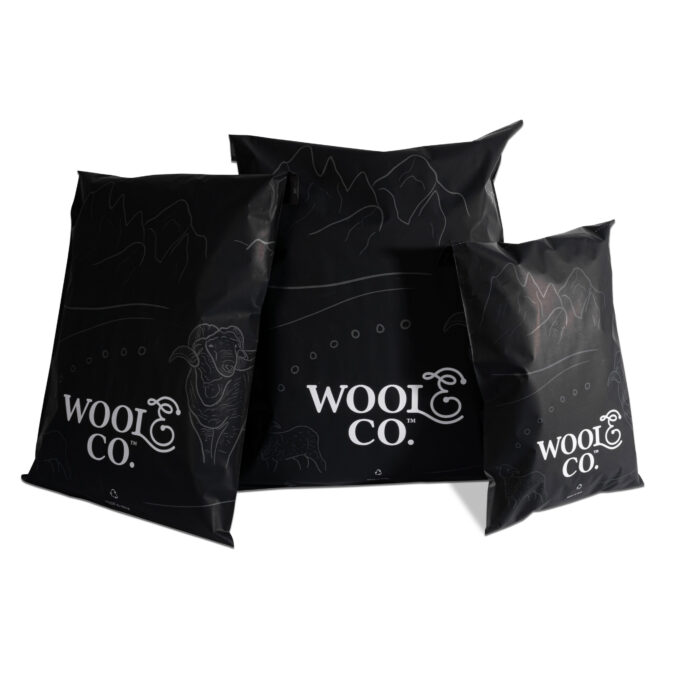
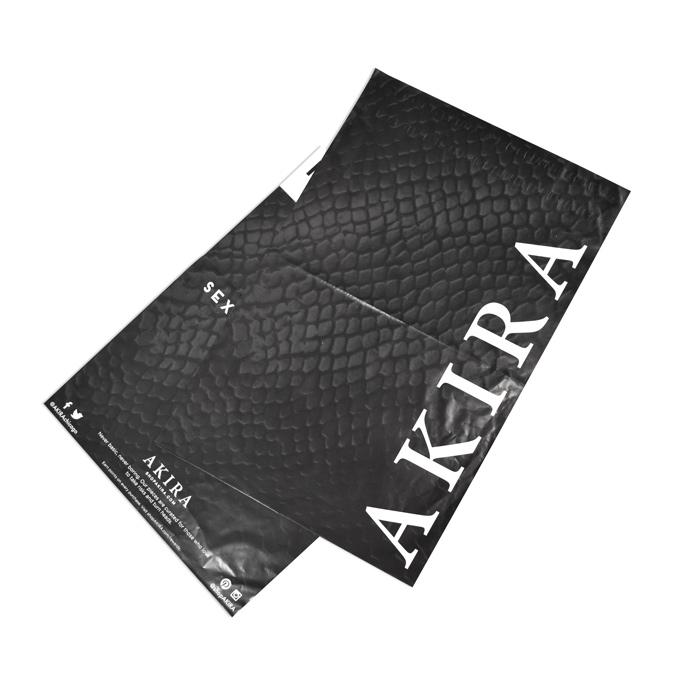
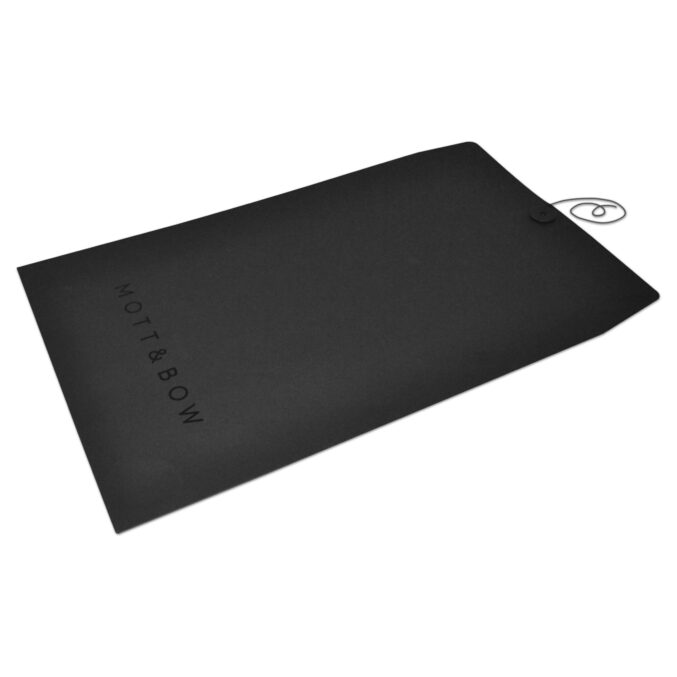
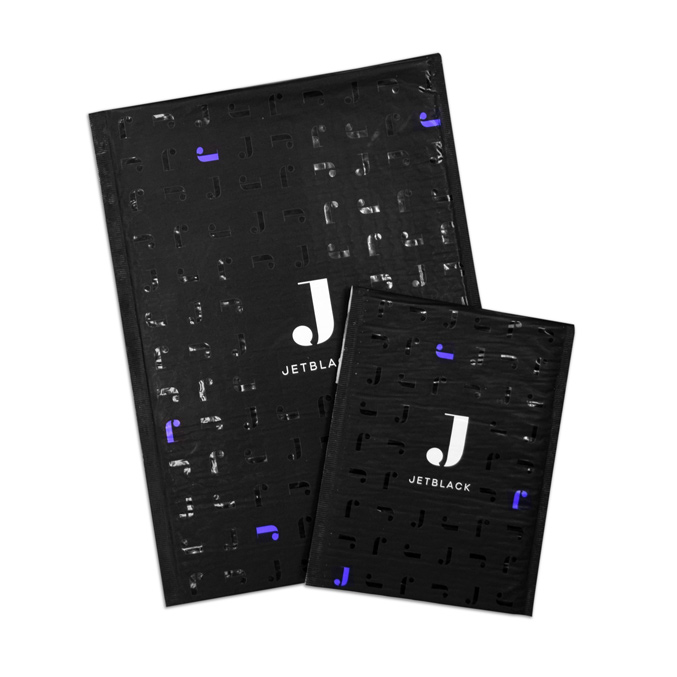
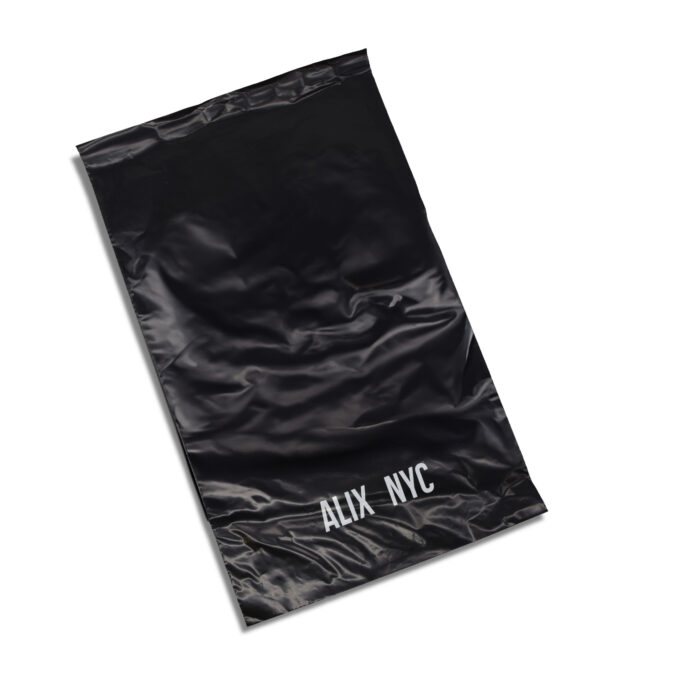
A sleek black package arriving at a customer’s doorstep can communicate something about a brand before the product is even opened. The color, texture, logo placement, and overall presentation create an immediate impression that generic shipping materials often struggle to achieve. For ecommerce businesses competing on product quality and customer experience, these seemingly small details can play an important role in how a purchase is remembered.
Black custom poly mailers combine a sophisticated appearance with the practical advantages of lightweight, flexible shipping packaging. They’re particularly popular with fashion brands, online boutiques, accessories retailers, and subscription businesses that want their shipments to reflect a consistent visual identity.
But selecting the right mailer involves more than choosing a color and adding a logo. Material thickness, surface finishes, dimensions, printing compatibility, and closure construction all influence how packaging performs throughout fulfillment and delivery.
At Prime Line Packaging, we help businesses evaluate these details to develop custom mailers that support their merchandise, branding, and shipping requirements.
Why Black Custom Poly Mailers Appeal To Ecommerce Brands
Black has long been associated with sophisticated design, making it a natural choice for brands seeking a clean, modern packaging aesthetic. Its versatility allows businesses to create everything from minimalist presentations to bold designs featuring contrasting graphics and prominent logos.
A black shipping mailer with a small white logo can communicate understated elegance, while a design featuring vibrant colors and graphic patterns can feel energetic and contemporary. Both approaches can work when they reflect the brand’s personality.
Beyond appearance, poly mailers offer several practical advantages for ecommerce fulfillment. Their lightweight construction and flexible shape make them suitable for shipping many soft, nonfragile products without the added bulk of traditional corrugated boxes.
They also take up little storage space when kept flat, helping businesses manage growing order volumes.
Matte Black Vs. Glossy Black Poly Mailers
One of the first design decisions involves selecting the surface appearance. Matte and glossy black finishes can create noticeably different impressions, even when the mailers use similar dimensions and printed graphics.
Matte Black Poly Mailers
Matte black mailers feature a subdued, nonreflective appearance that complements minimalist branding. The finish can provide a refined background for white logos, simple typography, and subtle graphic designs.
Fashion boutiques, premium accessories brands, and contemporary lifestyle retailers often favor this aesthetic because it emphasizes simplicity without sacrificing visual impact.
Individual matte materials can look different, so businesses should review physical samples to assess surface texture, scuff visibility, and printing results.
Glossy Black Poly Mailers
Glossy black mailers feature a more reflective surface that can create a polished, eye-catching appearance. These finishes can work particularly well for beauty retailers, promotional merchandise, and brands using colorful graphics.
Reflections may make certain design elements stand out, though lighting and material characteristics influence the final result.
Which Finish Should Your Brand Choose?
Start with your existing brand identity. A minimalist luxury retailer may prefer matte black, while a cosmetics company with bold visual branding might favor a glossy finish.
Consider how the surface interacts with printing, shipping labels, and normal handling. Testing samples under typical packing conditions can help determine which finish best supports your presentation goals.
Choosing The Right Materials And Construction
A beautiful shipping mailer still needs to perform its most important function: getting merchandise to customers in good condition.
Poly mailers are commonly made from polyethylene films that provide flexibility and resist everyday handling. Their construction makes them particularly useful for clothing, fabric accessories, and other products that don’t require rigid support.
Several factors influence performance:
- Material Thickness: Thicker films may offer greater resistance to certain handling stresses, depending on their composition and construction.
- Tear and Puncture Resistance: The material should withstand the normal demands of packing, sorting, and transportation.
- Water Resistance: Polyethylene provides a barrier against ordinary moisture exposure, although proper sealing remains essential.
- Adhesive Closures: Strong, dependable sealing strips help keep the package closed during transit.
- Seam Construction: Secure edges and appropriate seam strength contribute to the mailer’s overall reliability.
- Return Features: Some designs incorporate secondary adhesive strips or other features to simplify return shipments.
The ideal material specification depends on the merchandise being shipped. A lightweight T-shirt may require different packaging from a heavier sweatshirt or a bundle containing several garments.
Poly mailers aren’t designed to provide significant cushioning. Fragile products, rigid accessories, and items with sharp edges may require padded mailers, protective inserts, or corrugated boxes instead.
Custom Printing Options For Black Poly Mailers
Custom printing lets ecommerce businesses turn a functional shipping envelope into an extension of their brand.
Black provides a strong visual foundation for contrasting colors, bold typography, and carefully positioned logos. The right printing approach depends on the brand’s artwork, budget, desired appearance, and production specifications.
One-Color Logo Printing
A white logo against a black surface creates strong contrast without requiring elaborate graphics. This approach works well for minimalist brands and businesses that want a consistent look across multiple product collections.
Multicolor Printing
Brands with recognizable color palettes may prefer designs incorporating multiple printed colors. Depending on the printing process and available materials, additional colors can create more elaborate packaging designs.
Businesses should confirm artwork requirements and production capabilities before finalizing their designs.
Full-Surface Graphics
Some packaging designs incorporate patterns, illustrations, or repeated brand elements across larger areas of the mailer. These treatments can create a more visually expressive presentation, particularly for fashion and lifestyle brands.
Logo Placement And Artwork Preparation
A successful design also considers the practical details of shipping. The logo shouldn’t interfere with the shipping label, adhesive closure, or other essential package information.
Before approving artwork, review:
- Logo dimensions and placement.
- Print color contrast against black material.
- Available printing areas and production limitations.
- Artwork resolution and file requirements.
- Package folds, seams, and closure positioning.
- Final proofs and physical samples.
For additional design ideas, explore how black poly mailers with a logo can support a consistent brand presentation while maintaining practical shipping performance.
How To Choose The Right Poly Mailer Size For Your Products
Selecting the correct dimensions is one of the most important steps in ordering shipping mailers.
An oversized mailer can create unnecessary movement and excess material around the product. A mailer that’s too small may stretch, strain the seams, or leave insufficient space for a secure closure.
Start by measuring merchandise after it’s folded or prepared for shipment. Account for product thickness, packaging inserts, and any additional protective materials.
Different product categories typically have different requirements.
Small Poly Mailers
Smaller mailers can accommodate compact apparel, lightweight accessories, and individual soft goods. The final dimensions should allow products to fit comfortably without stressing the material.
Medium Poly Mailers
Medium-sized mailers offer flexibility for T-shirts, leggings, lightweight sweaters, and multiple smaller items. They can be useful for retailers with varied but relatively compact merchandise.
Large Poly Mailers
Larger mailers may suit bulkier clothing, bundled apparel purchases, and other soft products that need extra space.
Retailers should also evaluate their most common order combinations. A business selling individual garments and occasional multi-piece orders might benefit from maintaining two or three standardized mailer sizes.
This approach can simplify inventory management, improve packing consistency, and reduce the number of packaging decisions fulfillment teams need to make.
Black Poly Mailers For Fashion, Beauty And Online Retail
Different ecommerce industries use shipping packaging in different ways. Understanding how products are handled and presented helps retailers choose the right mailer specifications.
Fashion And Apparel Brands
Clothing retailers frequently ship garments that can be folded without requiring rigid structural protection. Black mailers offer a flexible format for T-shirts, leggings, lightweight sweatshirts, and similar merchandise.
Online Boutiques
Boutiques selling multiple collections can benefit from consistent shipping packaging that reinforces their identity across different product categories. A recognizable design creates continuity even as seasonal merchandise changes.
Beauty And Cosmetics Retailers
Beauty businesses may use poly mailers for soft accessories, makeup bags, and other nonfragile items that need appropriate protection. Glass containers, bottles, and delicate products generally require additional protective packaging.
Subscription Businesses
Brands fulfilling recurring orders can develop a consistent packaging format that customers recognize. Standardized dimensions and dependable closures can also help maintain efficiency during repeat packing cycles.
Accessories And Lifestyle Retailers
Fabric accessories, scarves, soft merchandise, and selected promotional products can work well in poly mailers when their weight and physical characteristics match flexible packaging.
Black Poly Mailers Vs. Bubble Mailers And Shipping Boxes
Not every ecommerce product belongs in the same type of packaging. Choosing the correct shipping format helps balance product protection, handling convenience, and presentation.
Flat poly mailers are typically best suited to soft goods that don’t need built-in cushioning. Their flexibility allows them to conform to the merchandise inside, potentially reducing unnecessary package bulk.
Bubble mailers incorporate a cushioning layer that helps protect selected smaller products from minor impacts and everyday handling. They’re often suitable for accessories and merchandise that requires more protection than a flat mailer provides.
Corrugated shipping boxes offer rigid structural support and space for protective inserts. They’re generally preferable for fragile, heavy, or structured products that could be damaged by compression.
The decision should reflect the product’s physical characteristics, not appearance alone.
Retailers comparing protective mailer styles can learn more about the differences between kraft and poly bubble mailers before selecting a packaging format.
What To Consider Before Ordering Custom Black Poly Mailers In Bulk
Ordering customized packaging in larger quantities requires careful planning. A mailer that looks attractive in a digital mockup may not perform as expected once it’s filled, sealed, labeled, and handled during fulfillment.
Businesses should evaluate their operational requirements before approving production.
- Product Compatibility: Confirm that the material and dimensions are appropriate for the merchandise being shipped.
- Material Specifications: Review thickness, strength, sealing performance, and other relevant construction details.
- Printing Requirements: Verify available colors, artwork specifications, logo placement, and surface compatibility.
- Order Quantities: Balance purchasing volumes with realistic packaging consumption.
- Storage Capacity: Determine how much space is available for storing packaging inventory.
- Sample Testing: Pack actual products in sample mailers to assess fit, sealing, and handling.
- Production Planning: Discuss artwork approvals, manufacturing requirements, and delivery schedules before ordering.
It’s also useful to evaluate the entire fulfillment process.
Can employees insert products quickly? Does the adhesive closure seal consistently? Is there enough room for the shipping label? Can the finished package withstand normal handling?
Answering these questions early helps businesses avoid expensive packaging mistakes and maintain consistent shipping operations.
Build A Consistent Ecommerce Packaging Experience
A custom shipping mailer is only one part of the customer’s experience. The packaging inside should complement the exterior while providing appropriate protection for the merchandise.
Retailers can coordinate black mailers with tissue paper, product sleeves, printed inserts, and other branded components. A black exterior paired with carefully chosen interior colors can create an attractive contrast when customers open their purchases.
Consistency also helps businesses maintain recognizable packaging across different product categories and seasonal collections.
As order volumes increase, a coordinated packaging system can make it easier to standardize supplies, train fulfillment employees, and manage inventory.
Our guide to custom poly mailer packaging and first impressions offers additional perspective on creating a memorable delivery experience.
Create Custom Black Poly Mailers With Prime Line Packaging
The right shipping packaging should do more than look impressive. It should fit your merchandise, support efficient fulfillment, and reflect your brand’s quality.
At Prime Line Packaging, we help ecommerce businesses evaluate packaging materials, dimensions, construction, and printing options to develop solutions that complement their products and operational needs.
Whether you’re launching a new online boutique, refreshing your existing shipping materials, or preparing for higher order volumes, our team can help you explore practical customization options.
Give every shipment a stronger brand presence. Explore our custom mailers and contact Prime Line Packaging to discuss shipping solutions designed around your products and branding needs.
Frequently Asked Questions About Black Custom Poly Mailers
- What Are Black Custom Poly Mailers?
Black custom poly mailers are flexible shipping envelopes generally manufactured from polyethylene film and customized with branding or printed graphics. They’re commonly used to ship apparel, fabric accessories, and other nonfragile merchandise. Their lightweight construction and distinctive look make them a practical option for ecommerce businesses that want consistent packaging.
- Are Matte Black Poly Mailers Better Than Glossy Black Mailers?
Neither finish is automatically better. Matte black creates a subdued, nonreflective appearance, while glossy black offers a more reflective presentation. The right selection depends on the brand’s visual identity, printing requirements, and preferred surface characteristics. Physical samples help businesses compare the two finishes before purchasing.
- Can Black Poly Mailers Be Printed With A Custom Logo?
Yes. Custom printing can incorporate logos, patterns, text, and other graphic elements, depending on the selected material and production process. White and other contrasting colors can provide strong visibility against black surfaces. Businesses should review artwork specifications and production proofs to confirm that the finished design meets their expectations.
- Are Black Poly Mailers Suitable For Shipping Clothing?
Black poly mailers are commonly used to ship T-shirts, leggings, lightweight garments, and other soft goods. Their flexible construction makes them convenient for merchandise that doesn’t require rigid protection. Retailers should choose appropriate dimensions and material specifications and ensure the contents are packaged and sealed securely.
- What Thickness Should Custom Poly Mailers Be?
The appropriate thickness depends on the product’s weight, shape, and expected shipping conditions. Heavier or more demanding applications may require stronger materials, but film thickness alone doesn’t determine overall performance. Businesses should evaluate material specifications, seam construction, and closure strength, then test samples with actual merchandise before ordering.
- How Do I Choose The Right Size Black Poly Mailer?
Measure the merchandise after folding or preparing it for shipment, including any protective materials or inserts. Allow sufficient space for product thickness and a dependable adhesive seal. Retailers with varied inventories may benefit from stocking several sizes to accommodate different order combinations without creating unnecessary package bulk.
- Can Black Poly Mailers Protect Products From Moisture?
Polyethylene films provide water-resistant properties that can help protect merchandise from ordinary moisture exposure during shipping. The level of protection depends on the material, seams, and closure construction. Don’t assume poly mailers are waterproof, and sensitive products may need extra packaging protection.
- What Is The Difference Between Poly Mailers And Bubble Mailers?
Standard poly mailers are flexible shipping envelopes without built-in cushioning, making them suitable for soft, nonfragile merchandise. Bubble mailers incorporate a cushioning layer that provides additional protection against certain impacts. The appropriate format depends on the item’s fragility, dimensions, weight, and handling requirements.
- What Should Businesses Check Before Ordering Custom Poly Mailers In Bulk?
Businesses should confirm material specifications, bag dimensions, artwork requirements, printing options, and order quantities. Reviewing physical samples and testing them with actual products can help identify potential issues before production. It’s also important to discuss manufacturing schedules, delivery requirements, and storage capacity to support ongoing fulfillment operations.