Why Bag Charms, Mini Accessories & Micro-Moments Are the New Secret Weapon in Smart Packaging Strategy
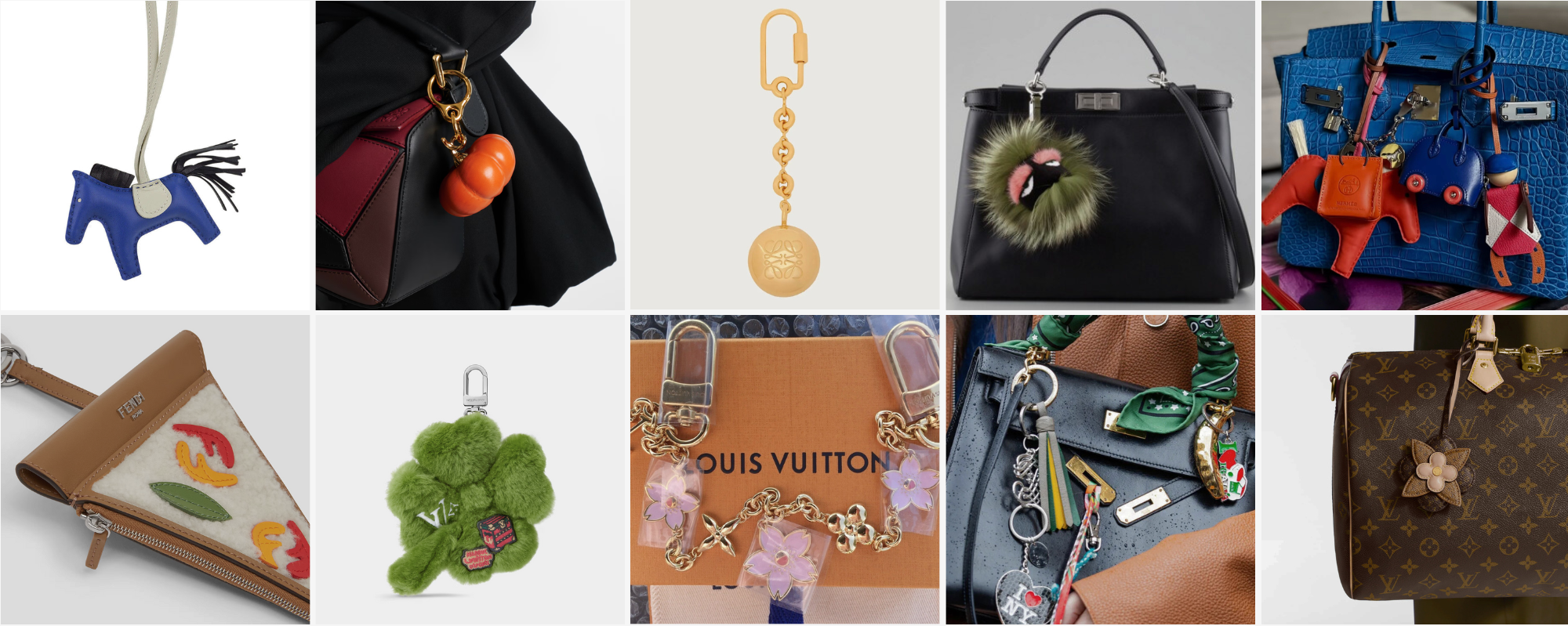
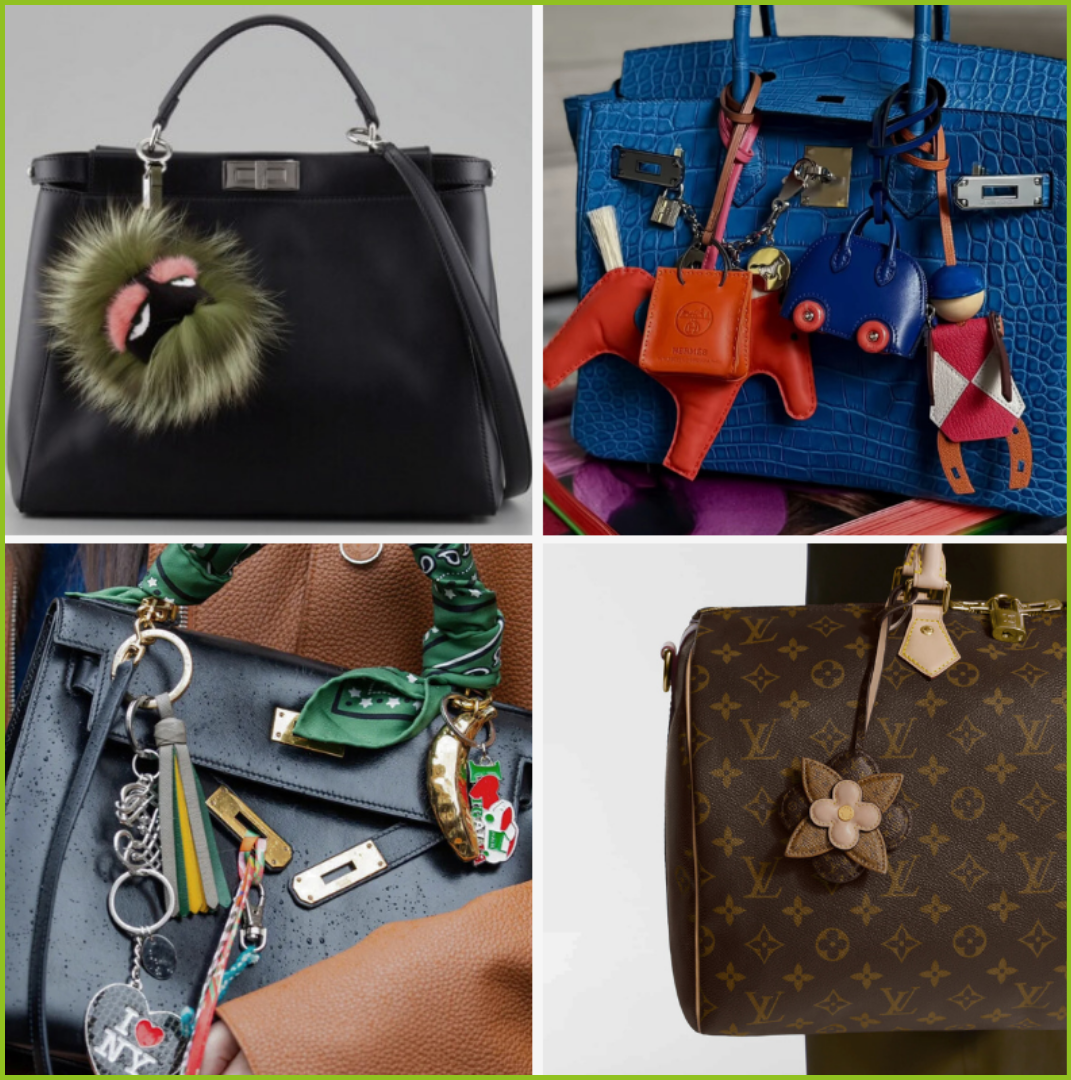
Walk down any city block, scroll any fashion feed, or watch any “What’s In My Bag” video, and you’ll see it: bag charms, micro-pouches, ribbons, clips, tags, dangles, tassels, miniature plushies—tiny accessories with outsized personality. What started as a playful styling detail has quickly become a global fashion signal. Consumers want their bags and accessories to express something unique about them—mood, tribe, aesthetic, identity.
Luxury brands have known this for years. Think of the cult-status Twilly Hermes style scarf wrapped around a handle. The collectible Coach leather bag charms that drop seasonally. The miniature Fendi felt or Louis Vuitton metal accessories produced by heritage houses that resell on their own. These details create emotional connection, personalization, and—importantly—repeat engagement.
And now, forward-thinking retailers are realizing: this trend can do far more than elevate personal style. It can unlock a new, economically smart packaging strategy.
We’ve talked often about design innovation, clever material use, and seasonal creative bursts (see past posts such as Unboxing Creativity and The Power of Limited-Edition Packaging). But this new wave of bag charm culture has opened an unexpected door for brands looking to stretch their packaging budgets while amplifying customer delight.
Let’s break down why micro-accessories and small packaging “upgrades” are evolving into a high-impact strategy for brand builders.
1. The Bag Charm Movement: Tiny Add-Ons, Huge Appeal
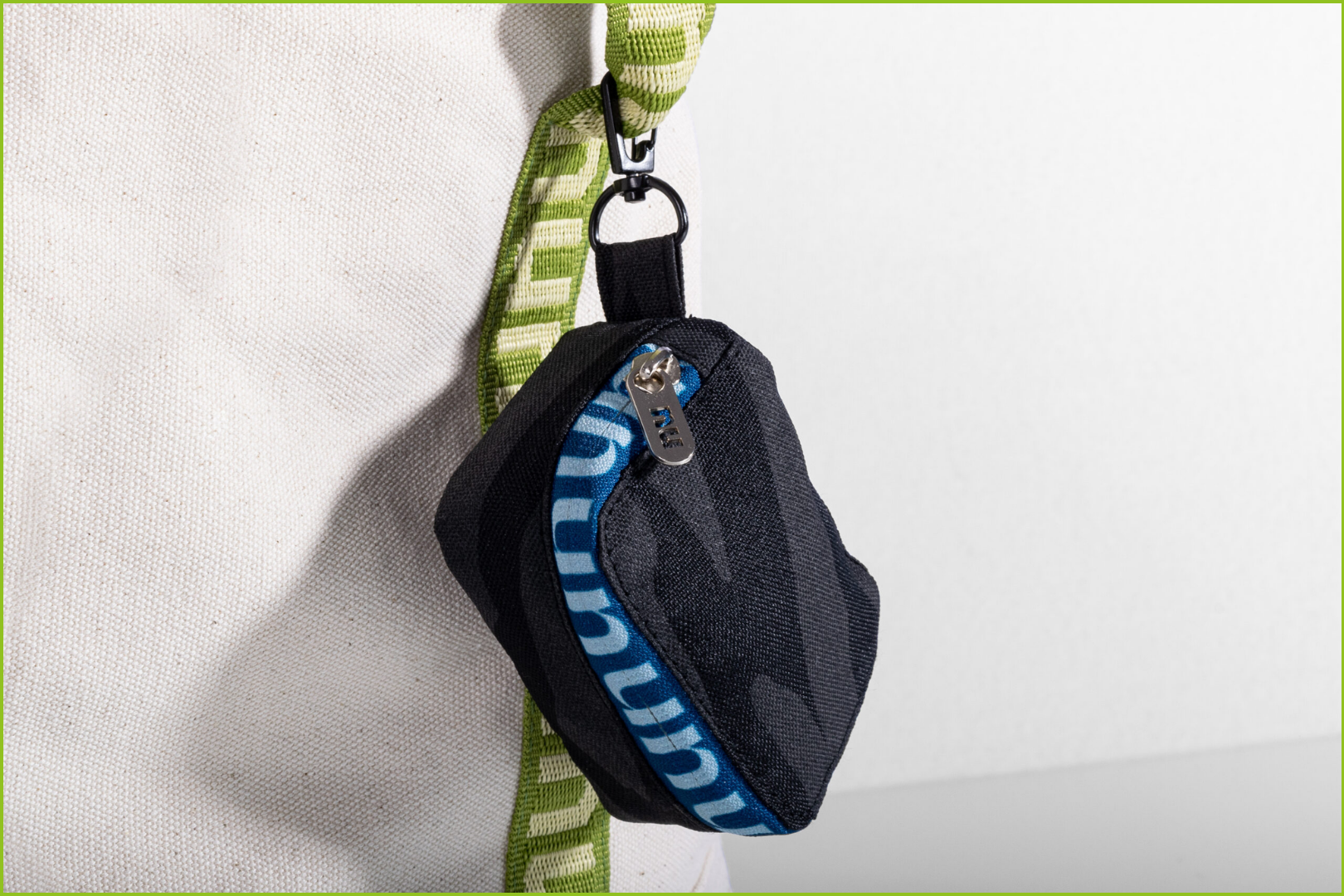
Prime Line Packaging produced this miniature Nuuly pouch for loyal customer, to match the design of the full sized Nuuly shipping cases.
From $2 mini-pouches to collectible charms that become TikTok obsessions, customers are gravitating toward playful, unexpected details that feel expressive and personal. These accessories create:

- Instant shareability – anything dangling, sparkling, contrasting or textural shoots beautifully on video, especially in GRWM, unboxing, and OOTD content.
- A sense of exclusivity – “limited edition,” “seasonal drop,” and “only available this month” enhances desirability.
- Emotional value – customers love items they can repurpose beyond the initial purchase.
This insight translates beautifully into the world of custom packaging.
Because when customers already crave expressive accessories, brands can leverage this appetite by designing add-ons that connect packaging, product, and campaign moments into one cohesive experience. Think of it as wearable packaging—or packaging with a second life.
2. How This Trend Becomes Smart, Scalable Packaging Strategy
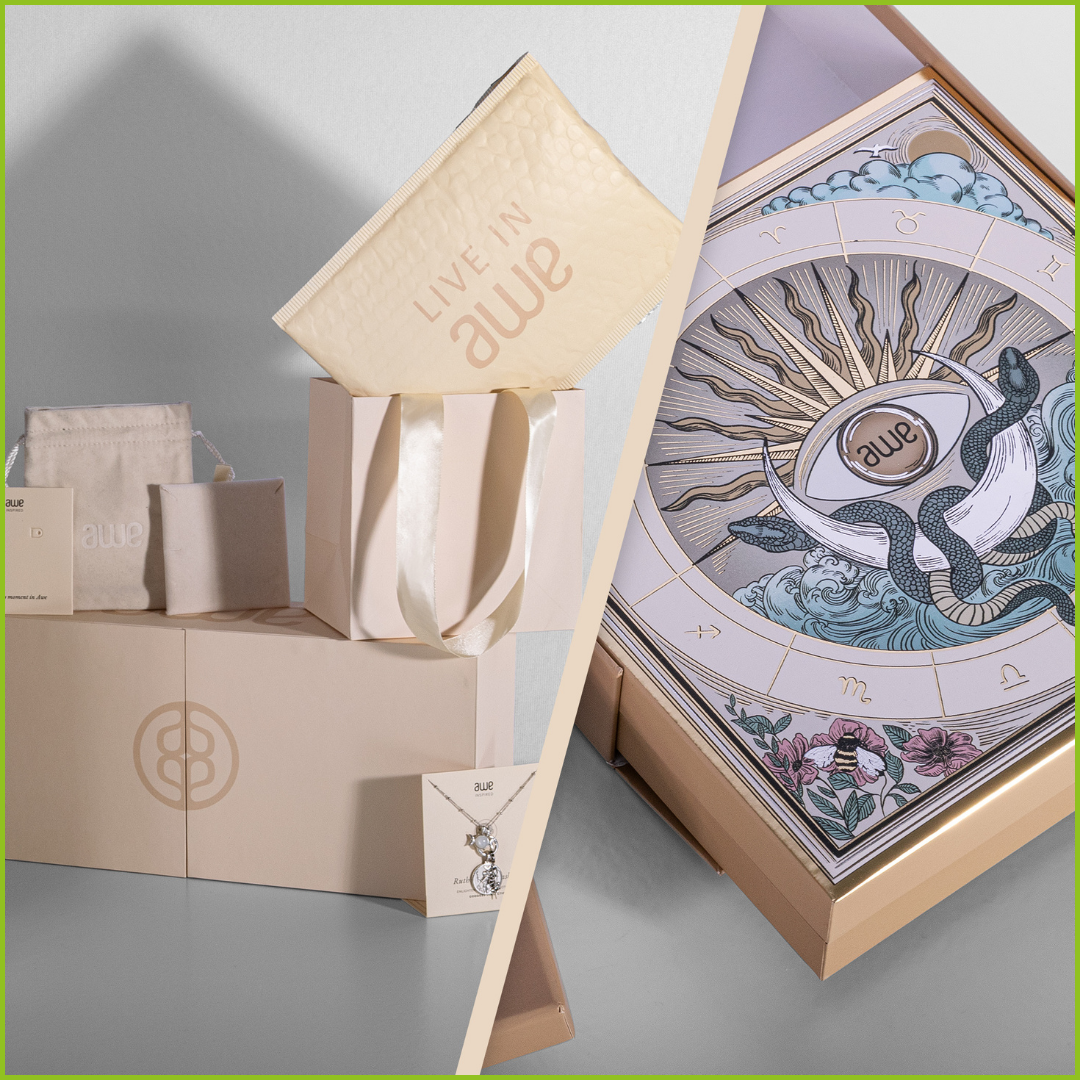
For brands that plan their major packaging buys annually—bags, boxes, ecommerce mailers, tissue, ribbons, and pouches—unit economics matter. You need cost efficiency at scale for your base items. But campaigns throughout the year—Mother’s Day, Valentine’s Day, spring refreshes, store openings, influencer mailers, or holiday exclusives—require agility and creativity.
This is where bag charm thinking becomes transformative.
Rather than redesigning packaging from scratch, brands can keep their core items consistent and layer low-cost add-ons to introduce novelty, seasonality, and creative flair.
Examples include:
- Small branded charms or tags
- Foiled cardboard medallions tied to bags
- Mini cotton drawstring pouches
- Reusable zip pouches as “add-ons”
- Branded ribbons or collectible patterned ties
- Decorative tissue paper with seasonal motifs
- Snap-on keychain loops with campaign messaging
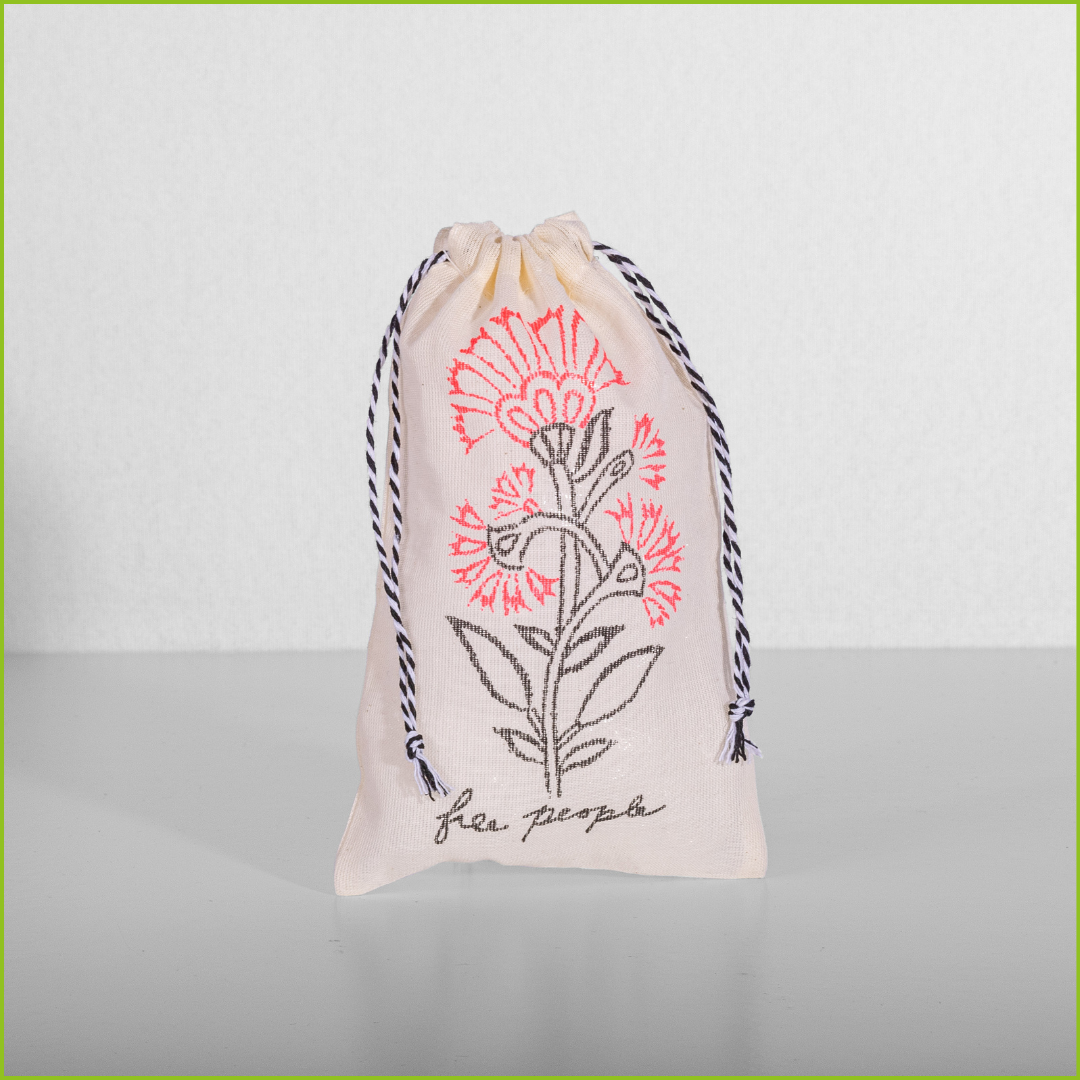
These additions can be ordered in smaller seasonal quantities, tested quickly, and swapped throughout the year—all while maintaining stable costs on the larger, high-volume packaging items.
The result?
Frequent novelty, without frequent reprints.
High perceived value, with low incremental cost.
Agility, without inefficiency.
This is a test-and-learn dream.
3. “Creative Bursts” That Appeal to Different Customer Types

Short, exclusive creative campaigns built around accessories allow brands to understand what resonates with each audience segment—without overhauling a full packaging system.

For example:
- Gen Z shoppers respond to playful charms, bold graphics, QR codes that unlock content, or shareable ribbon designs.
- Luxury customers appreciate refined materiality—stitched leatherette accents, woven cord tassels, metallic charms, and debossed tags.
- Eco-minded buyers gravitate toward reusable pouches, recycled felt charms, rPET zipper pulls, or FSC-certified paper tags.
- Holiday shoppers love novelty—bells, velvet ribbons, foil-printed tissue, or mini ornaments clipped to a handle.
By changing one accessory, brands can test dozens of creative strategies over the course of a year—color stories, materials, themes, finishes, and cultural moments.
We’ve seen this approach work in categories ranging from beauty and fashion to hospitality and specialty retail. It’s fast, fun, data-rich, and incredibly cost-efficient.
4. A Playground for Luxury-Inspired Craft and Finishes
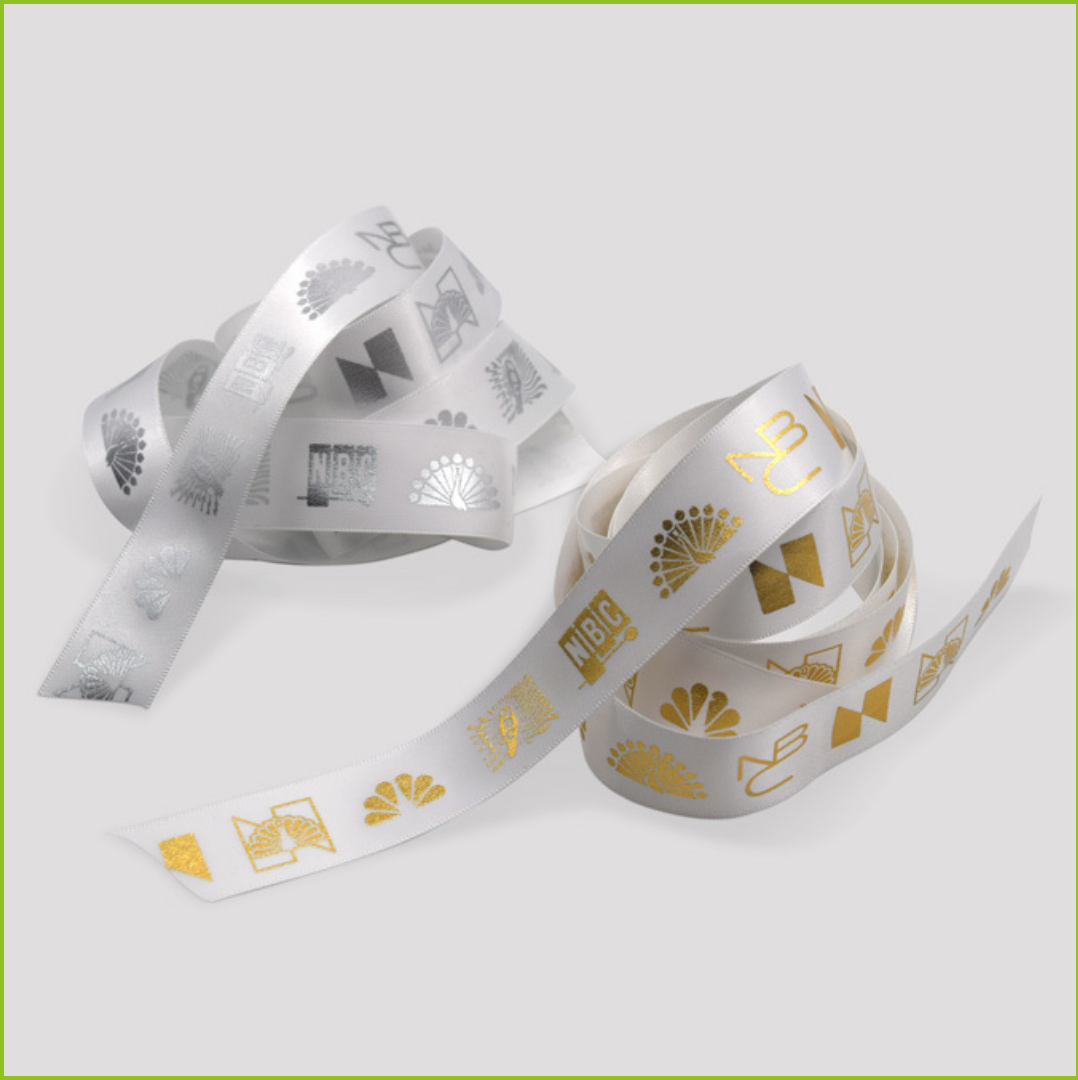
Bag charms and micro-accessories are also a smart place to introduce premium finishes—foil stamping, embossing, woven labels, TPU charms, coated papers, or soft-touch effects—without applying these more expensive treatments to the entire packaging run.
Think of them as “micro canvases” for design.
A small accessory can carry:
- The season’s pattern story
- A new logo style or monogram
- A metallic or textured finish
- A trending color palette
- A mascot, illustration, or limited icon
This allows brands to experiment with elevated creativity in digestible, budget-friendly ways—much like the capsule collections luxury houses launch to gauge enthusiasm before rolling something into the core line.
These small details also tie beautifully into the craftsmanship we often discuss in our design-focused posts on primelinepackaging.com, where artistry and brand identity meet production expertise.
5. Influencers (Macro + Micro) Love These Details
If there is one universal truth in today’s creator economy, it’s this: details photograph well.
Whether it’s a macro influencer doing a polished unboxing or a micro creator filming a quick TikTok “aesthetic haul,” small accessories add:
- movement
- color contrast
- tactile elements
- sound (yes—bells, clips, snaps!)
- storytelling cues
- luxury perception
They also add content value: a ribbon can be retied on camera; a charm can be clipped and unclipped; a mini pouch can be opened to reveal a bonus treat. Influencers can style them, repurpose them, and talk about them—extending the reach of your campaign at little to no additional cost.
It’s a simple formula:
When packaging feels special, content feels special.
When content feels special, customers engage more.

Accessories are often the difference between a standard unboxing and one that a creator wants to film.
6. Unit Economics That Work—in Real Life
Here’s the part every operations, procurement, and finance leader will appreciate:
You don’t need to overhaul packaging budgets to participate in this trend.
Core packaging runs remain standardized, optimized, and cost-effective.
Accessories are inserted into the strategy using:
- Lower MOQs & freight costs
- simplified structures
- economical materials
- flexible creative options
You can even plan these as modular creative blocks: spring charm, summer charm, holiday ribbon, anniversary tissue paper, campaign-specific mini pouch.
You’ll maintain efficiency and consistency across your main packaging while unlocking dozens of fresh, high-impact customer moments.

7. The Future: Agile Packaging That Moves at the Speed of Culture
We believe the next wave of standout retail packaging will be modular, flexible, and expressive—allowing brands to stay culturally relevant without redesigning from scratch.

Bag charms, pouches, ribbons, and mini add-ons are one of the smartest ways to get there.
They’re low-cost.
They’re high impact.
They’re influencer-friendly.
They’re infinitely customizable.
They unlock creativity without complexity.
And most importantly:
They create moments customers want to share, keep, and come back for.
As brands look for ways to stay relevant, expressive, and agile, small accessories—from charms to pouches to ribbons—offer one of the most creative, cost-effective paths forward. They unlock new storytelling opportunities, elevate influencer moments, and help teams test fresh ideas without reinventing their entire packaging system.
If you’d like to explore how these concepts can work for your brand, our team of packaging consultants would love to walk you through examples of our favorite customer charms, promotional add-ons, and influencer packaging programs. Reach out anytime—we’re excited to help you design your next standout moment.
Small accessories. Big transformation.
The kind of innovation we love—and the kind the market is ready for.