Custom Boxes For Candles: Packaging Built Around The Product
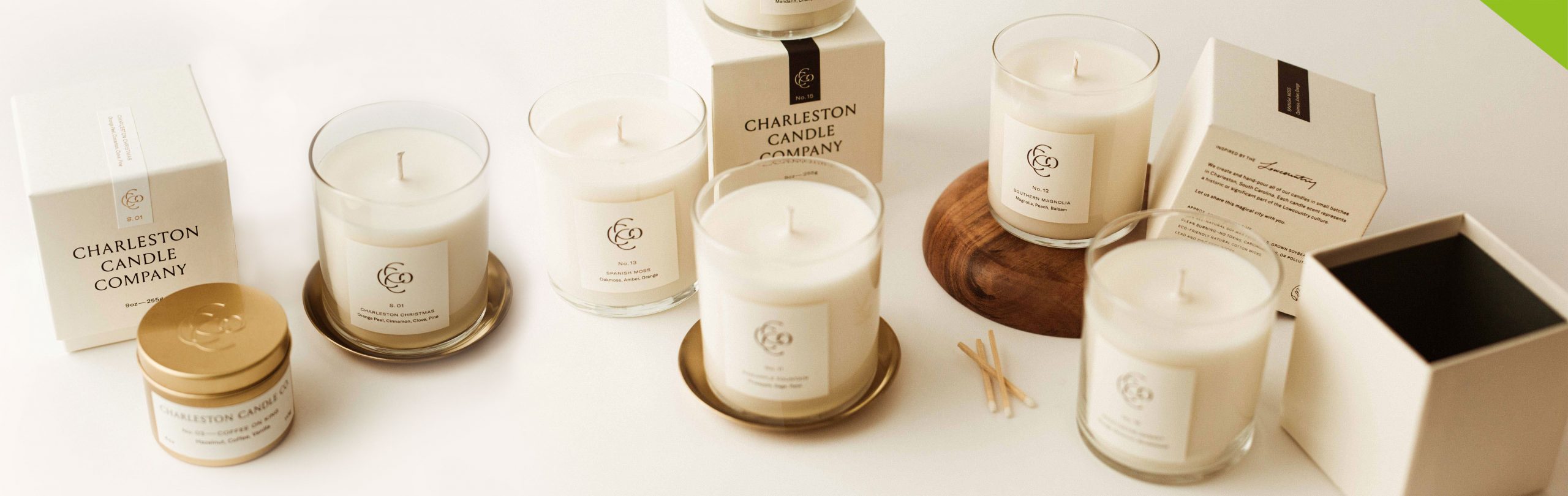
Candles are sold through scent, mood, design, and atmosphere, but customers often meet the packaging before any of that happens. The box is the first physical introduction to the product. It can make a candle feel refined, modern, handcrafted, playful, luxurious, or ordinary before the lid comes off the vessel.
That gives custom boxes for candles a much bigger role than simply providing a container. They need to protect a potentially heavy and fragile product while supporting the personality of the brand. They also have to work in real retail and ecommerce environments where packages are stacked, shipped, handled, photographed, displayed, and eventually opened by the customer.
Good candle packaging brings all of those needs together. The structure, material, fit, graphics, insert, and finishes should feel like parts of the same idea. A box that looks impressive but doesn’t protect the candle isn’t finished. A sturdy box that feels completely disconnected from the brand isn’t finished either.
The goal is packaging that looks intentional because it was designed around the actual candle from the start.
Start With The Candle Vessel And Work Outward
The best place to begin a candle packaging project isn’t with a box style. It’s with the candle itself.
Glass jars, ceramic vessels, metal tins, concrete containers, and specialty candle holders can vary dramatically in size, weight, shape, and fragility. Even products with similar dimensions may need different structures if one has a heavier lid or a delicate decorative finish.
Before deciding on packaging, brands should look closely at:
- The exact dimensions of the finished candle.
- The total weight of the filled vessel.
- The size and shape of the lid.
- Glass thickness and overall fragility.
- Any decorative elements that extend beyond the vessel.
- The amount of clearance needed for easy removal.
- Whether the candle needs an insert or interior support.
- How the finished package will be stored and transported.
Physical product samples can be extremely useful at this stage. Measurements provide important information, but the actual vessel can reveal details that a specification sheet doesn’t always communicate.
A candle with a slightly tapered base may behave differently inside an insert than expected. A heavy lid can change the balance of the product. Textured glass may require more clearance to prevent rubbing. A decorative cap could increase the overall height of the finished candle enough to change the box.
Starting with the product helps prevent those issues from showing up after larger quantities have already been produced.
Choose A Box Structure That Fits The Candle Brand
Different candle brands need different structures.
A premium fragrance company may want a rigid box that feels substantial in the customer’s hands. A growing direct-to-consumer candle company may prefer folding cartons that can be stored efficiently while still offering plenty of space for branding. Gift collections may benefit from two-piece boxes or magnetic closures that make the opening experience feel more deliberate.
Common options include:
- Rigid boxes for premium and higher-priced candle collections.
- Folding cartons for efficient retail packaging.
- Two-piece boxes with a separate lid and base.
- Magnetic closure boxes for selected gift or luxury collections.
- Drawer-style boxes for a slower product reveal.
- Custom structures developed around unusual vessels.
- Multi-product boxes for gift sets and candle collections.
The right structure doesn’t need to be the most complicated one.
A beautifully proportioned folding carton with confident printing can look more considered than an elaborate rigid box filled with unnecessary details. Similarly, a simple two-piece box can feel highly refined when the material, fit, color, and typography are well coordinated.
Brands looking for a more premium direction can explore luxury candle packaging boxes designed around presentation, protection, and brand identity.
The structure should make sense for the product, price point, customer, and way the candle will be sold.
Protect Glass Candles Without Losing The Presentation
Glass candle vessels create an interesting packaging challenge because they can be both heavy and fragile.
Too much room inside the box allows the candle to shift during handling. Too little room can create pressure against the glass or make the product difficult for customers to remove. The box needs enough strength to support the candle while still creating an attractive presentation.
Custom inserts can help keep the vessel centered and reduce unnecessary movement.
The interior design should account for:
- Vessel weight.
- The width and height of the jar.
- Decorative lids.
- Unusual container shapes.
- Fragile surfaces or coatings.
- The way the customer will remove the candle.
- Whether the package will be shipped individually.
- Whether several candles need to sit together in a set.
An insert doesn’t have to look purely functional. It can become part of the presentation.
A coordinated interior color can create contrast when the customer opens the box. A well-shaped opening can frame the candle neatly. An insert designed around the vessel can also create intentional negative space that makes the product feel more prominent.
The customer shouldn’t see protection and presentation as two separate things. They should simply open a box that feels well designed.
Materials Help Establish The Character Of The Candle
Candle packaging is tactile. Customers notice how the box feels in their hands, even if they don’t consciously think about it.
A thick rigid board creates a different impression from a lightweight folding carton. A textured paper feels different from a smooth coated surface. A matte wrap can communicate something completely different from a high-gloss finish.
Material choices can help support the identity of the candle brand.
A minimalist fragrance collection might use understated paper, neutral colors, and clean typography. A brighter lifestyle brand may choose vivid printing and playful graphics. A heritage-inspired candle company could lean toward textured materials and more traditional design cues.
Possible material directions include:
- Rigid board for substantial box structures.
- Folding paperboard for efficient carton formats.
- Specialty papers for texture and visual depth.
- Wrapped rigid boxes for premium presentation.
- Coordinated interior materials and inserts.
- Printed paper surfaces for detailed artwork and branding.
Material selection also needs to account for the weight of the candle. A structure that looks great on a lightweight sample may behave differently once a substantial glass vessel is placed inside.
The final package needs to feel balanced in the customer’s hands, not overly light, flimsy, or awkwardly heavy for the structure.
Use Finishing Details With A Clear Purpose
Finishes can give candle packaging personality, but they work best when they support the design instead of taking it over.
Foil stamping can add a metallic accent to a logo, fragrance name, or border. Embossing introduces raised texture. Debossing creates a recessed detail that can feel subtle and refined. Spot gloss can create contrast against a matte background, while soft-touch treatments can change the way the entire surface feels.
Brands may consider:
- Foil stamping.
- Embossing.
- Debossing.
- Spot gloss.
- Matte finishes.
- Gloss finishes.
- Soft-touch treatments.
- Textured papers.
- Interior printing.
The temptation to combine several treatments can be strong, especially for premium products. More decoration doesn’t automatically make the package look more expensive.
A restrained design can often feel more confident.
A black box with crisp typography and one foil detail may have more presence than a package covered in several competing effects. A textured paper with subtle embossing may communicate quality without requiring bright graphics.
Strong custom candle packaging can create a lasting impression through thoughtful coordination rather than visual overload.
Build A Packaging System Across Scents And Collections
Candle brands can go from a handful of fragrances to a large catalog surprisingly quickly.
A core line may include several year-round scents. Then come seasonal collections, limited editions, smaller vessels, larger statement candles, gift sets, travel formats, and special collaborations.
Packaging can become inconsistent fast if each new product starts from zero.
A stronger approach is to establish a repeatable visual system.
That might include:
- Consistent logo placement.
- A standard typography hierarchy.
- Similar box proportions across compatible vessels.
- A controlled color system.
- Repeatable scent-name placement.
- Shared interior details.
- One general design structure for core products.
- A related treatment for premium or limited releases.
Individual scents can still have personality. A citrus fragrance could use a bright accent color while a woody scent uses deeper tones. Floral products might feature illustrations while the underlying layout remains consistent. Customers should be able to tell products apart without wondering whether they came from different brands.
A customer who already recognizes the box structure, logo position, or typography can spot a new fragrance quickly. The packaging starts doing some of the recognition work before the label is even read.
Design Candle Packaging For Gifting
Candles are naturally connected to gifting. They’re purchased for birthdays, housewarmings, holidays, anniversaries, hostess gifts, corporate programs, thank-you gifts, and occasions where the buyer may not know the recipient’s exact personal tastes.
A polished two-piece or rigid box can make the product feel complete without requiring extensive wrapping. Tissue, ribbon, interior printing, or a contrasting insert can add enough detail to make the presentation feel special.
Gift formats might include:
- One premium candle in a presentation box.
- Two or three coordinated fragrances.
- Candle and accessory combinations.
- Seasonal collections.
- Limited-edition sets.
- Corporate gifting packages.
- Curated fragrance assortments.
The packaging should still be easy to open. Layers can add anticipation, but too many can make the experience annoying.
A strong gift box creates a sense of occasion without getting in the customer’s way.
Brands looking for different presentation directions can explore additional candle packaging ideas for retail, gifting, and brand presentation.
Make Retail And Ecommerce Packaging Feel Connected
Many candle companies sell through more than one channel.
A product might appear on a boutique shelf, inside a department store, on the brand’s own website, through a marketplace, or in a gift shop. The packaging needs to maintain a recognizable identity across those environments.
Retail packaging needs shelf presence. Customers may see several competing candles at once, so typography, color, shape, and branding need to communicate clearly without becoming noisy.
Ecommerce creates a different test. Customers may first see the candle through carefully styled photography. Once the product arrives, the physical package needs to support the impression created online.
That means thinking about:
- How the retail box performs during shipping.
- Whether additional protective packaging is required.
- How the candle looks after transportation.
- How easily the customer can open the package.
- Whether the box photographs well.
- Whether the physical colors match the online presentation.
- Whether retail and ecommerce packaging feel like the same brand.
Home fragrance products are often sold as part of a larger lifestyle, which makes premium packaging for home design brands especially relevant to candle companies that want packaging to feel connected to a broader interior aesthetic.
Plan Seasonal And Limited-Edition Boxes Carefully
Seasonal candles give brands room to experiment. Holiday releases may use deeper colors, foil details, festive artwork, or specialty wraps. Spring collections may feel lighter and brighter. Limited editions may introduce illustrations, collaborations, or alternate materials.
None of that requires rebuilding the packaging identity every time. Brands can keep the same basic structure and change selected visual elements.
A seasonal variation might include:
- A different exterior color.
- A printed sleeve.
- Alternate artwork.
- A metallic accent.
- Interior graphics.
- A limited-edition label treatment.
- A specialty ribbon.
- A revised insert color.
Keeping some elements consistent helps customers recognize the brand even when the collection looks new.
It can also make production easier. Reusing a proven structure means the company can focus on updating artwork and presentation instead of solving the same structural problems every season.
Avoid Common Candle Packaging Mistakes
Candle boxes need to work in real life, not only on a computer screen. A rendering may look perfect even though the finished box is too large, too weak, difficult to open, or poorly suited to the weight of the candle.
Common mistakes include:
- Finalizing box dimensions before confirming the finished vessel.
- Ignoring the weight of the filled candle.
- Leaving too much empty space around glass jars.
- Forgetting to account for lids or decorative elements.
- Selecting a structure that doesn’t provide enough support.
- Using too many finishes at once.
- Giving every scent a completely different identity.
- Designing the exterior while ignoring the insert.
- Forgetting about ecommerce transportation.
- Approving a large run without reviewing a physical sample.
Sampling can reveal issues that artwork alone can’t. Customers will experience the package after it has been manufactured, filled, stacked, handled, transported, placed on a shelf, shipped, and opened. Packaging should be evaluated with that full life cycle in mind. Strong custom boxes for candles need to remain attractive after all of those steps.
Build Candle Packaging With Growth In Mind
Packaging decisions become easier when brands think beyond the next product launch. A company may start with one candle size and later introduce larger vessels, smaller travel candles, holiday releases, gift sets, diffusers, room sprays, or other home fragrance products. A flexible packaging system gives those future products somewhere to fit.
That could mean establishing several core box sizes that share the same visual identity. It could mean creating typography and artwork guidelines that remain consistent across categories. Premium finishes might be reserved for certain collections while everyday products use a simpler version of the same design language.
Growth doesn’t need to create visual chaos. A packaging system can give the brand structure while still leaving room for creative releases and experimentation. The strongest system feels familiar without becoming predictable.
Ready To Create Candle Packaging Around Your Brand?
Prime Line Packaging works with candle companies, fragrance brands, retailers, home décor businesses, and growing product lines to develop packaging around actual products and real-world presentation goals.
Start with your vessel dimensions, finished product weight, samples or specifications, number of scents, expected quantities, branding files, preferred box structure, insert requirements, and finishing ideas. It also helps to know whether your candles will be sold through retail, ecommerce, gifting, or several channels.
From there, we can help create packaging that protects the candle while presenting it in a way that feels intentional from the first look through the final unboxing.
Bring us the candle. We’ll help build the box around it.
Frequently Asked Questions About Custom Boxes For Candles
What Type Of Box Is Best For Candles?
The best box depends on the candle vessel, weight, price point, sales environment, and desired presentation. Folding cartons can work well for many retail candles, while rigid and two-piece boxes can provide a more substantial feel for premium collections. Heavy glass vessels may also need custom inserts or additional interior support.
Can Candle Boxes Be Custom Printed?
Yes. Candle packaging can feature logos, colors, typography, patterns, illustrations, fragrance names, and other branded graphics. Interior printing can extend the visual experience after the package opens. Different designs can also be created for individual scents while maintaining an overall brand system.
How Do You Protect Glass Candles Inside A Box?
Accurate sizing and interior support are important. Custom inserts can help limit movement and keep the candle centered during storage and handling. The structure should also account for the weight of the vessel, the lid, decorative details, and the way the customer will remove the product.
Can Candle Boxes Include Custom Inserts?
Yes. Inserts can be developed around the dimensions and shape of the candle vessel. They can help improve protection while also creating a cleaner interior presentation. Gift sets can use inserts with multiple openings so each candle or accessory has a defined position.
How Can Candle Packaging Look More Premium?
Premium presentation usually comes from coordination. Good proportions, substantial materials, clean printing, thoughtful typography, precise fit, and an organized interior can all contribute. Finishes such as foil, embossing, spot gloss, and soft-touch treatments can add detail without overwhelming the design.
What Finishes Can Be Added To Candle Boxes?
Options can include foil stamping, embossing, debossing, spot gloss, matte finishes, gloss treatments, specialty papers, interior printing, and soft-touch surfaces. The right combination depends on the personality of the brand and the desired customer experience. A few carefully selected finishes can often have more impact than a large mix of effects.
Can Candle Boxes Be Made For Gift Sets?
Yes. Custom boxes can hold multiple candles, candles in different sizes, or candles paired with complementary products. Inserts can keep each item organized while creating a polished presentation. Gift sets can also incorporate ribbons, specialty closures, interior printing, or limited-edition graphics.
How Do I Choose The Right Size Candle Box?
Start with the finished candle rather than the empty vessel. Measure the complete product, including the lid and any decorative details, and consider the total weight. Testing the actual candle inside a sample box can help determine the right clearance and whether additional interior support is needed.
How Do I Start A Custom Candle Packaging Project?
Gather the finished candle dimensions, product weight, samples if available, expected quantities, number of scents or SKUs, branding files, preferred box styles, and ideas for inserts or finishes. It also helps to identify where the product will be sold and whether the same package needs to work for retail, ecommerce, or gifting. Those details create a strong starting point for developing the right packaging system.