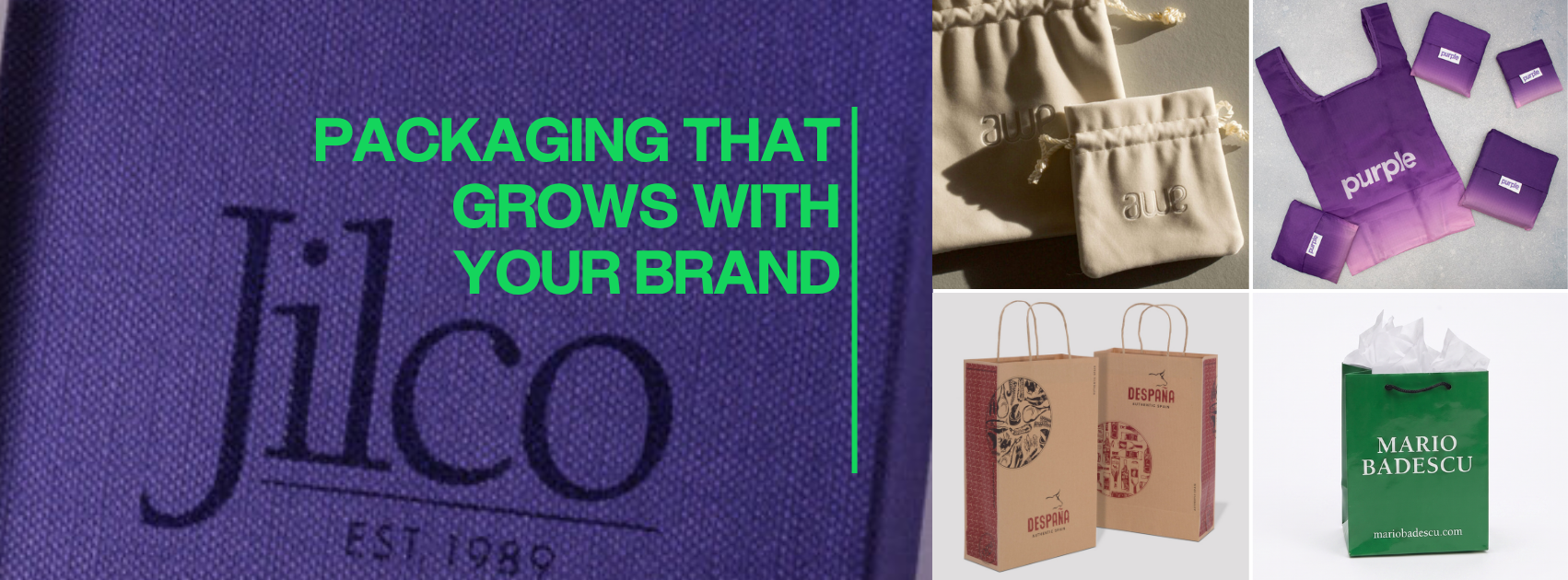
Packaging Design Trends for Growing Brands: Creating Memorable Customer Experiences
For young and growing brands, packaging has become much more than a way to protect or carry a product. As businesses expand into new retail channels, launch ecommerce operations, or introduce new product lines, packaging can become one of the first and most memorable interactions customers have with a brand.
From shopping bags and shipping boxes to tissue paper, mailers, insert cards, and branded finishes, every packaging element can contribute to the overall customer experience.
For growing businesses, packaging is not simply an operational necessity. It can be a strategic investment in customer experience, brand recognition, and long-term loyalty.
Research published in 2025 also highlights the evolving role of packaging, noting that packaging can influence consumer behavior both functionally and aesthetically.
Packaging Evolves as Your Brand Grows
As a brand grows, its packaging often needs to grow with it.
A business that starts with simple stock packaging may eventually need a more distinctive identity as it enters new markets, reaches new customers, or expands its product offerings.
Launching an ecommerce channel can introduce new packaging requirements focused on durability, shipping, and the unboxing experience. Expanding into retail can require packaging that stands out while reinforcing the brand identity. At the same time, a visual refresh can create an opportunity to rethink packaging and bring the customer experience in line with the brand’s direction.
Every detail can influence how customers perceive a brand, from color palettes and typography to materials, finishes, and structural design.
For additional packaging design inspiration, explore the Pentawards archive of award-winning packaging projects from around the world.
Packaging Inspiration From Growing Brands
Different brands take different approaches to packaging, but each demonstrates how thoughtful design can strengthen the customer experience.
Jilco: Building Recognition Through Consistent Branding
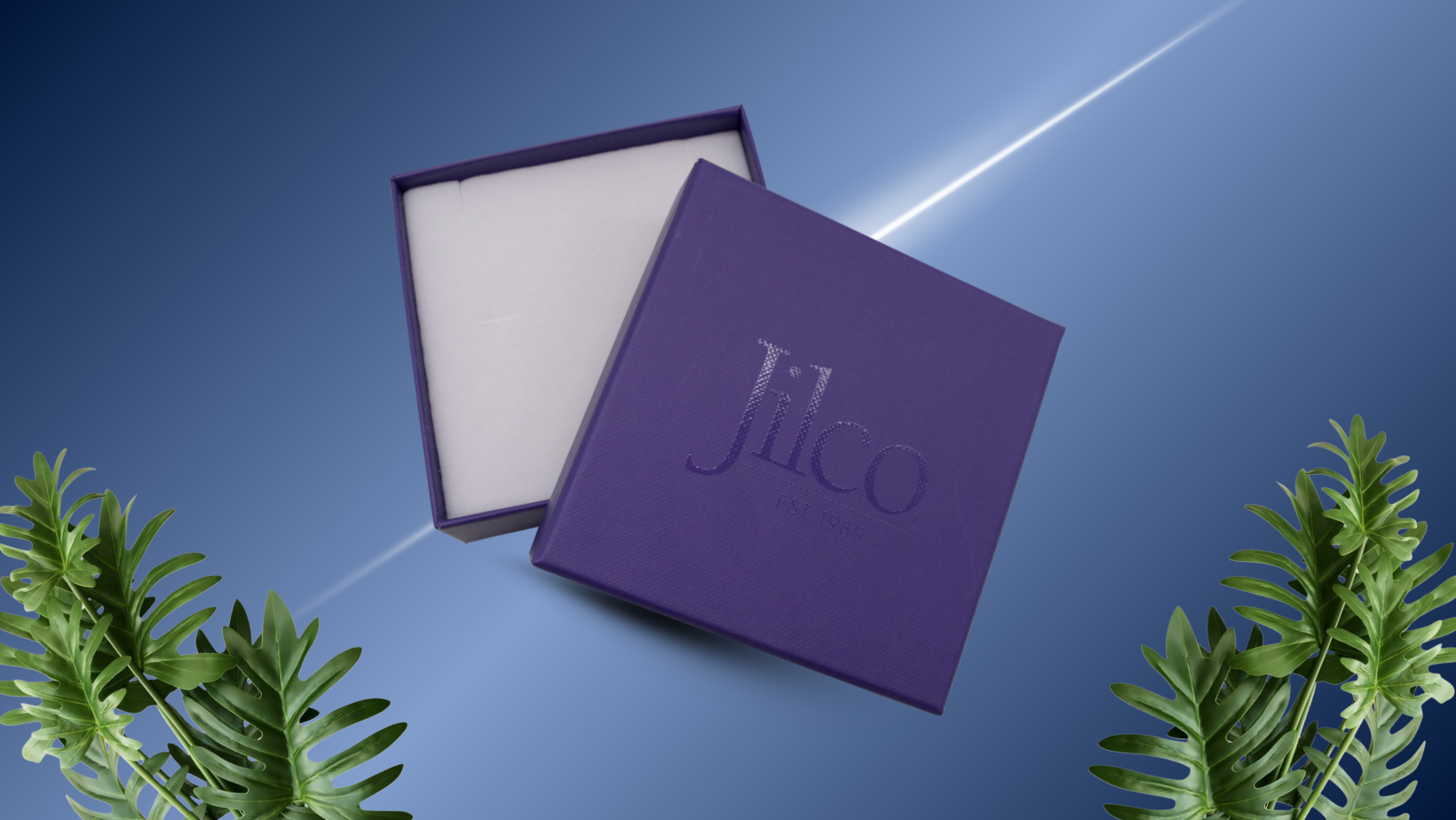
Jilco demonstrates how consistent packaging can help establish a recognizable identity across customer touchpoints.
Whether customers encounter the brand in a retail environment or through ecommerce, cohesive colors, graphics, and packaging details can create familiarity and reinforce a sense of professionalism.
As brands expand into new sales channels, consistency becomes increasingly important for building recognition and customer trust.
Awe: Creating a Premium Brand Experience
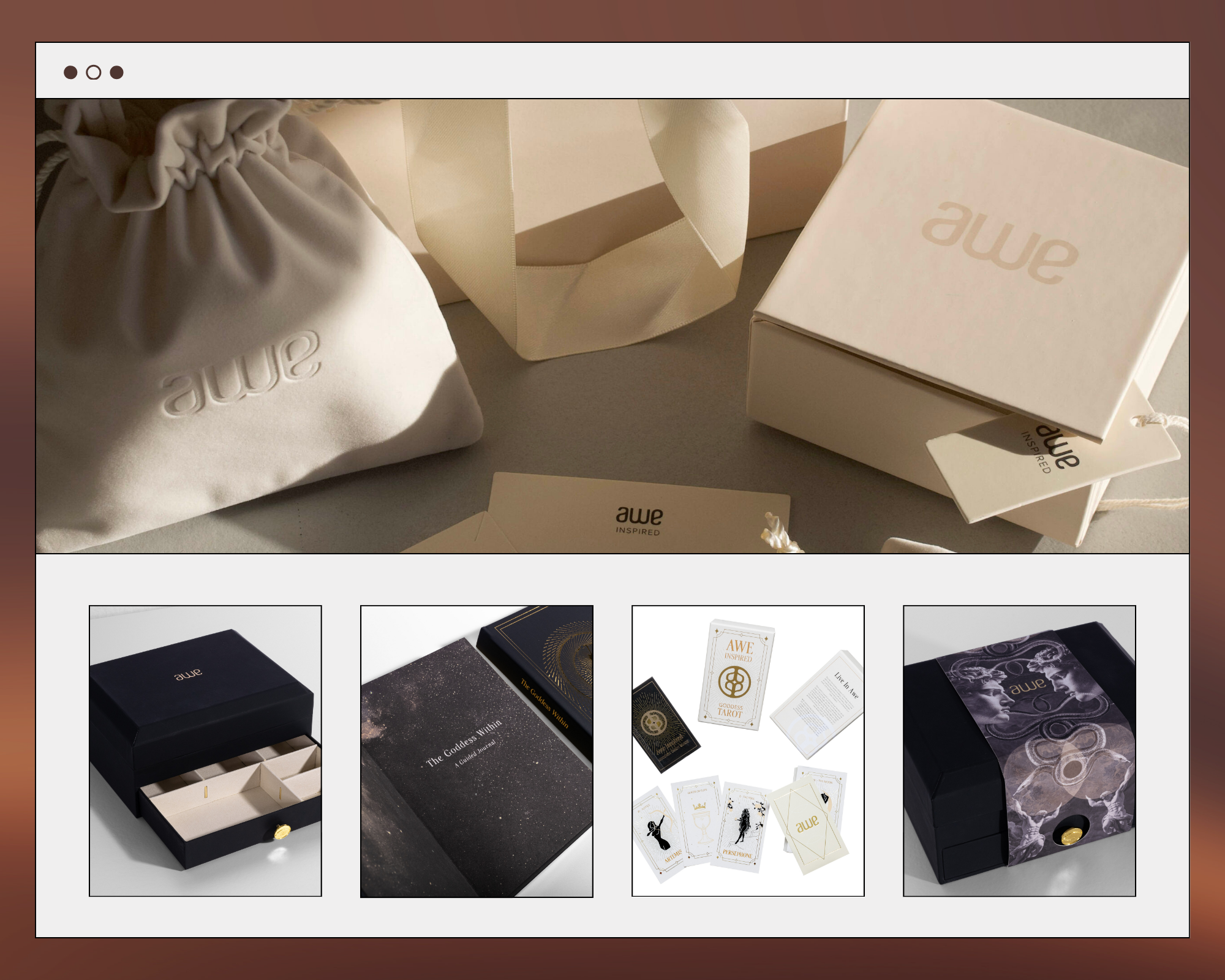
Awe shows how thoughtful design choices can elevate the customer experience.
Clean layouts, premium materials, and carefully selected finishes can transform packaging into an extension of the product itself. Instead of serving only a functional purpose, packaging can communicate quality and create a memorable first impression.
Brooklinen: Extending the Brand Beyond the Product
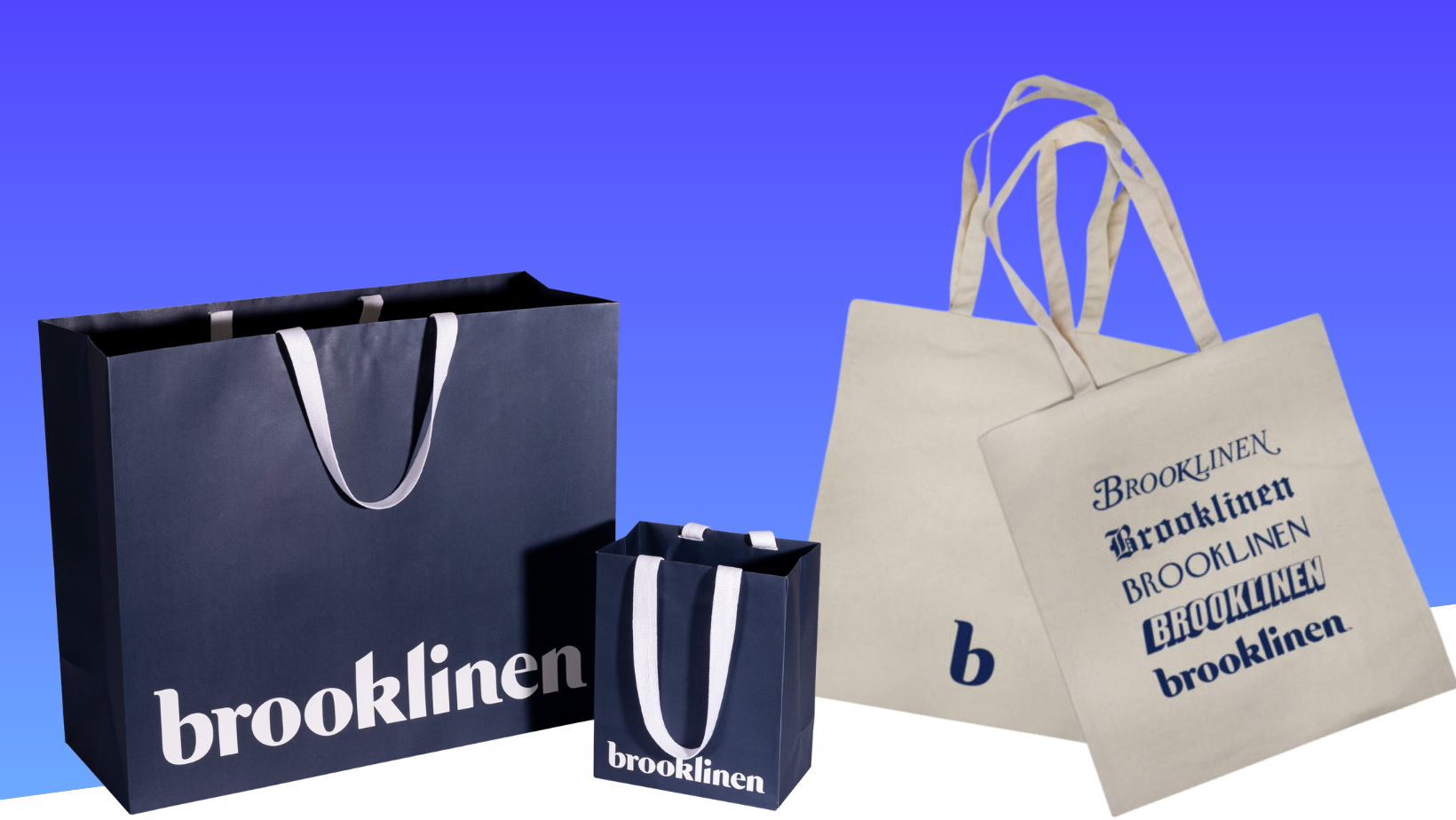
Brooklinen illustrates how packaging can reinforce a broader brand lifestyle.
Its packaging touchpoints reflect the company’s focus on comfort, simplicity, and quality. The experience begins before customers use the product, showing how packaging can strengthen an emotional connection and reinforce brand values.
For brands developing an ecommerce packaging system, material and structural choices can play an important role in creating a consistent experience from fulfillment to delivery. Explore e-commerce packaging materials and options for examples of packaging materials and formats.
Purple: Standing Out Through a Distinctive Identity
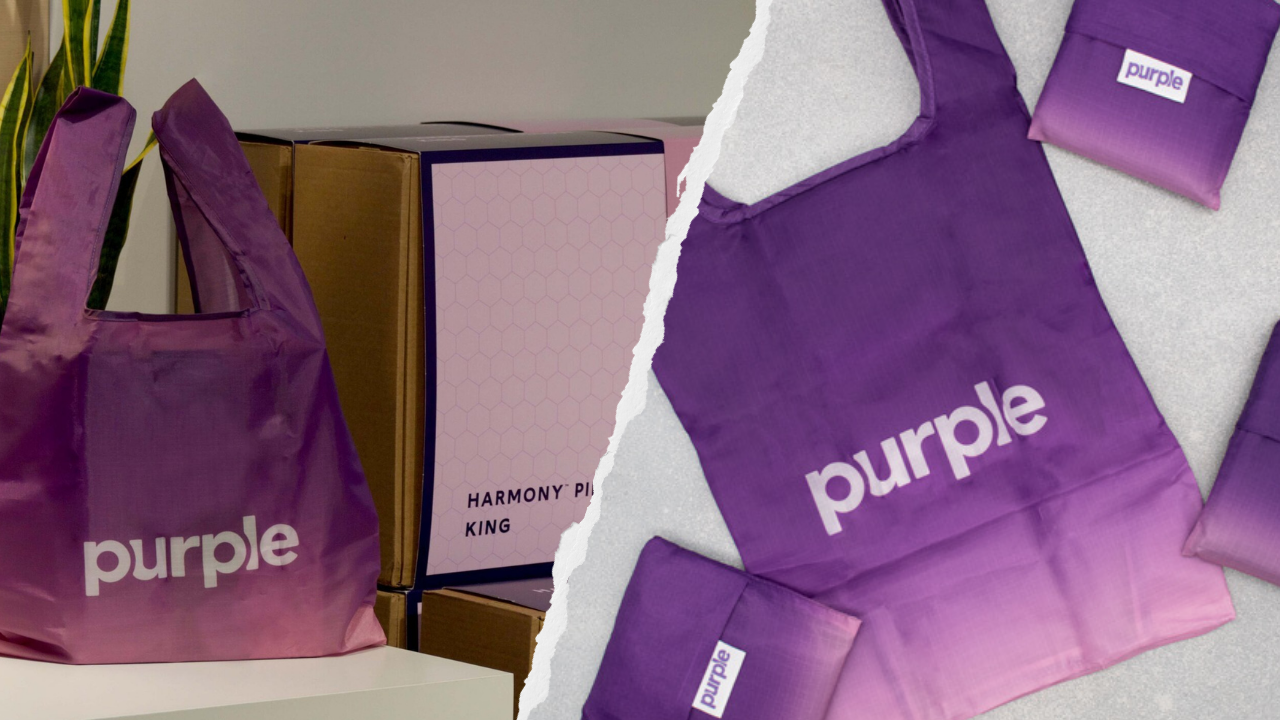
Purple has built a recognizable visual identity through bold branding and memorable packaging.
Its distinctive use of color and consistent presentation demonstrate how packaging can help a growing brand stand out in a competitive market while creating a lasting impression.
Although these brands approach packaging differently, they share a common goal: creating an experience that extends beyond the product itself.
For growing brands, packaging can combine creativity, functionality, and storytelling to create a customer experience that feels intentional and recognizable.
Choosing a Packaging Style That Reflects Your Brand
There is no single formula for effective packaging design.
The right approach depends on your audience, products, brand identity, and the experience you want customers to have.
Some brands use minimalist packaging with neutral colors, clean typography, and subtle branding to communicate sophistication and timelessness. Others use bold colors, custom illustrations, specialty finishes, and striking graphics to capture attention and create excitement.
Materials also play an important role in how packaging is perceived. Premium paper stocks, reusable shopping bags, textured finishes, ribbons, embossing, foil stamping, and custom handles can all contribute to the overall experience.
For example, custom shopping bags can be created in a variety of materials and styles, allowing brands to balance function, visual identity, and customer experience.
The strongest packaging systems balance visual appeal with functionality while remaining authentic to the brand.
As customer expectations evolve, packaging should evolve too. Reviewing customer feedback, design performance, and industry trends can help brands refine their packaging strategy as they grow.
Sustainability as Part of the Brand Experience
Sustainability is increasingly becoming part of the packaging conversation for both brands and consumers.
Many businesses are looking for ways to make more responsible packaging choices without sacrificing quality, functionality, or aesthetics.
Options such as recyclable materials, FSC®-certified paper, reusable shopping bags, responsibly sourced fabrics, and right-sized packaging can support a brand’s sustainability goals while contributing to a thoughtful customer experience.
The Forest Stewardship Council explains that FSC-certified paper and packaging can help brands demonstrate responsible sourcing and provide supply chain transparency.
Brands interested in responsible paper packaging can learn more about FSC® paper, print, and packaging standards.
Rather than treating sustainability as a separate initiative, brands can incorporate responsible materials and sourcing into their overall packaging strategy.
When sustainability and design work together, packaging can feel both purposeful and premium while helping communicate the values behind the brand.
Packaging Trends for Growing Brands
Packaging trends continue to reflect changing customer expectations and the growing importance of brand experience across multiple sales channels.
Minimalist Design
Minimalist packaging continues to appeal to brands looking for a clean and timeless appearance. Neutral color palettes, refined typography, and simple branding can create a sophisticated visual identity.
Bold Color and Custom Graphics
Bold colors and custom graphics can help brands create stronger recognition and stand out in competitive retail environments. Used strategically, these elements can make packaging more distinctive while reinforcing the brand’s personality.
Packaging Designed for Multiple Channels
Growing brands increasingly need packaging systems that work across different environments.
A packaging collection may need to support retail stores, ecommerce fulfillment, pop-up events, and social media content while maintaining a consistent visual identity.
Designing with multiple channels in mind can help create a more cohesive customer experience.
Materials and Finishing Details
Materials and finishing techniques continue to provide opportunities for brands to differentiate their packaging.
Textured papers, premium finishes, reusable materials, specialty construction, and custom details can add depth and create a more memorable experience.
The key is choosing materials and treatments that support the brand rather than simply adding decoration.
Creating Packaging Customers Remember
Great packaging can do more than protect a product. It can create an experience that customers associate with a brand long after the purchase.
For young and growing brands, packaging presents an opportunity to build recognition, communicate brand values, and create stronger customer relationships as the business expands.
Whether a brand chooses bold visual statements or understated minimalism, effective packaging should reflect where the brand is today while leaving room for where it wants to go next.
By combining intentional design, quality materials, sustainability, and customer-focused thinking, packaging becomes more than a container. It becomes an extension of the brand experience.
Final Takeaway
Growing brands do not need packaging that simply looks good. They need packaging that works with their brand, their customers, and the way their business is growing.
That means thinking beyond the individual bag or box and creating a packaging system that can evolve with the brand.