In the competitive landscape of 2026, color has transcended aesthetics to become one of the most strategic tools in packaging design. It is a primary driver of purchasing behavior and brand perception, serving as a silent ambassador for brand values. Recent industry insights confirm that color is no longer just about visibility; it is the cornerstone of how brands build consumer trust and forge lasting emotional connections in a crowded market. Whether in retail or eCommerce, the color trends of today are defining a new era of intentional, consumer-driven design.
Bold Colors Are Still Relevant, but More Controlled
Bold color remains an important part of packaging design, but it is now used more selectively.
Instead of fully saturated packaging, brands are incorporating strong colors as accents or focal points. A single bold tone combined with clean layouts creates a more refined and modern aesthetic.
Industry experts at Inuru report that 2026 brands are shifting toward “muted brights” colors that are confident and emotionally legible but controlled to avoid cognitive overwhelm.
Natural and Earth Tones Reflect Sustainability
One of the most significant packaging color trends in 2026 is the rise of natural and earthy palettes.
Colors such as olive green, sand, clay, and muted browns are widely used across packaging formats. These tones are often paired with kraft paper, recycled materials, and uncoated finishes.
According to DHL’s 2026 logistics and sustainability outlook, earth-inspired palettes are essential for brands utilizing next-generation bio-based materials like mycelium and seaweed.
Muted and Desaturated Colors Create a Premium Look
Highly saturated colors are being replaced with softer, more muted palettes.
Dusty pinks, soft blues, and toned-down greens are commonly used in beauty, apparel, and lifestyle packaging. These desaturated colors feel more timeless and help extend the lifecycle of packaging designs.
Analysis from Revere Flexpak highlights that “blush pinks, muted lavenders, and softened peach hues” are the dominant choice for premium wellness and lifestyle brands in 2026.
Muted color palettes also pair well with minimal typography and clean layouts, reinforcing a more premium and editorial aesthetic.
Contrast-Driven Design Is Defining Modern Packaging
Another key shift in packaging design is how color is being combined.
Brands are creating contrast by pairing neutral bases with bold accents. For example, a kraft box with a deep blue logo or a neutral shopping bag with a bright interior creates visual interest without overwhelming the design.
This contrast-driven approach allows brands to incorporate bold color in a more controlled and intentional way.
Color Is Becoming a Functional Tool in Packaging
In 2026, color is not just aesthetic. It is also functional.
Brands are using color to:
- Differentiate product categories
- Organize SKUs
- Guide customer navigation
- Create consistency across packaging systems
Modern design systems in 2026 prioritize “accent scarcity” and functional hierarchy to help consumers navigate complex product lines quickly.
How to Apply 2026 Color Trends to Your Packaging
These packaging color trends can be applied across a wide range of formats, from in-store presentation to shipping and fulfillment.
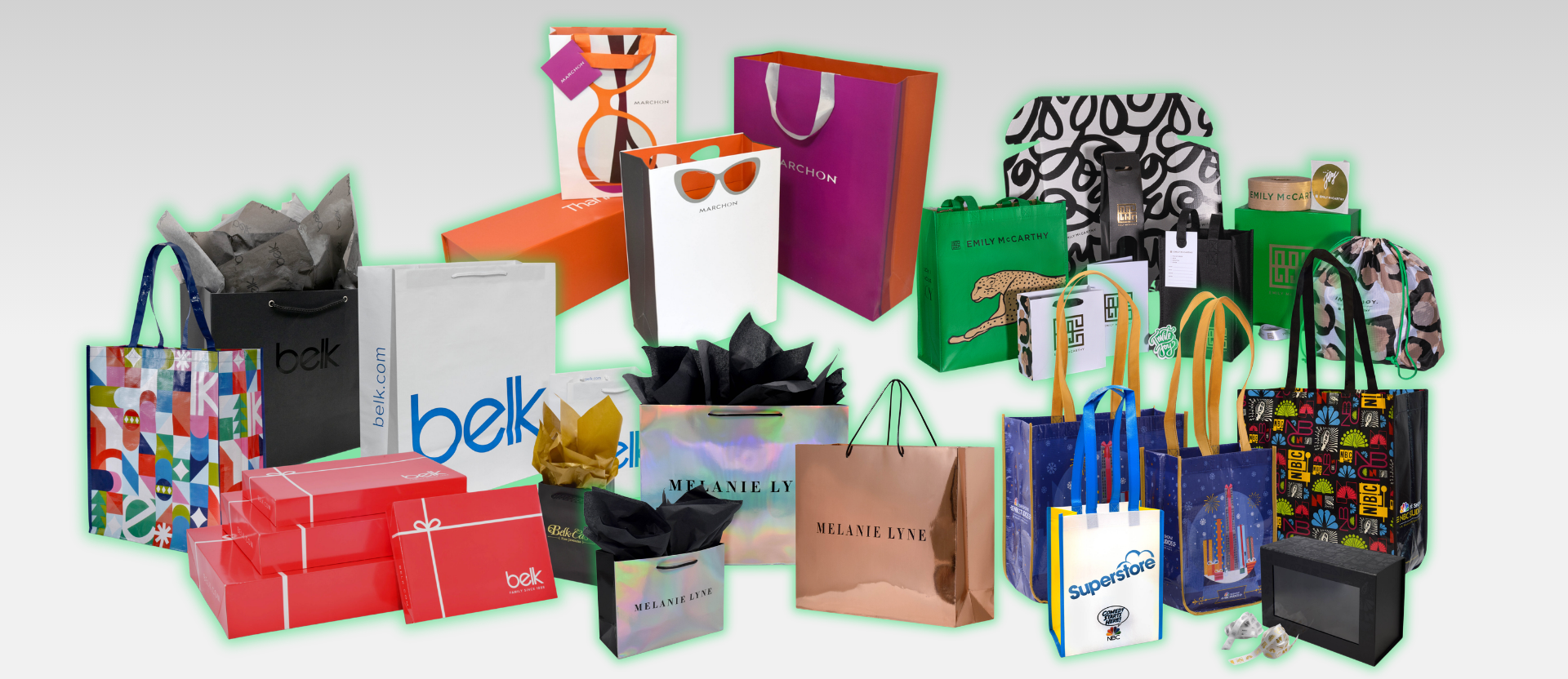
For retail environments, formats like custom shopping bags and rigid boxes allow brands to showcase color through structure, print, and finish. Explore Prime Line’s retail packaging solutions.
For online brands, color plays an equally important role in creating a recognizable and consistent unboxing experience. Packaging used for shipping can reinforce brand identity through coordinated palettes and materials. Learn more about e-commerce packaging solutions
Natural tones work especially well on kraft and recycled materials, while bold accents can be introduced through printing, handles, or interior elements.
Finishing Techniques That Enhance Packaging Color
Finishing techniques remain an important part of how color is expressed in packaging.
- Spot UV can highlight logos or patterns against matte or muted backgrounds
- Matte or gloss lamination enhances texture and color depth
- Foil stamping introduces contrast and a premium feel
- Embossing and debossing add dimension without additional color
For brands looking to incorporate metallic accents or specialty finishes, Prime Line’s hot stamping capabilities provide a way to elevate packaging while complementing both bold and neutral color palettes.
In 2026, these treatments are used more selectively, supporting the design rather than dominating it.
Designing Packaging for Longevity
One of the biggest shifts in packaging design is the move toward longevity.
Rather than redesigning packaging frequently to follow trends, many brands are developing flexible color systems that can evolve over time. This includes:
- Maintaining a consistent base palette
- Rotating accent colors seasonally
- Creating cohesive packaging collections
This approach supports brand consistency while also improving operational efficiency.
The Future of Packaging Color Trends
Packaging color trends in 2026 reflect a more strategic and intentional approach to design.
The most effective packaging balances:
- Bold expression with restraint
- Natural tones with contrast
- Aesthetic appeal with functionality
As packaging continues to evolve, color remains a key tool for balancing visual impact with usability and sustainability.
Brands that approach color thoughtfully will create packaging that not only stands out, but also remains relevant over time.