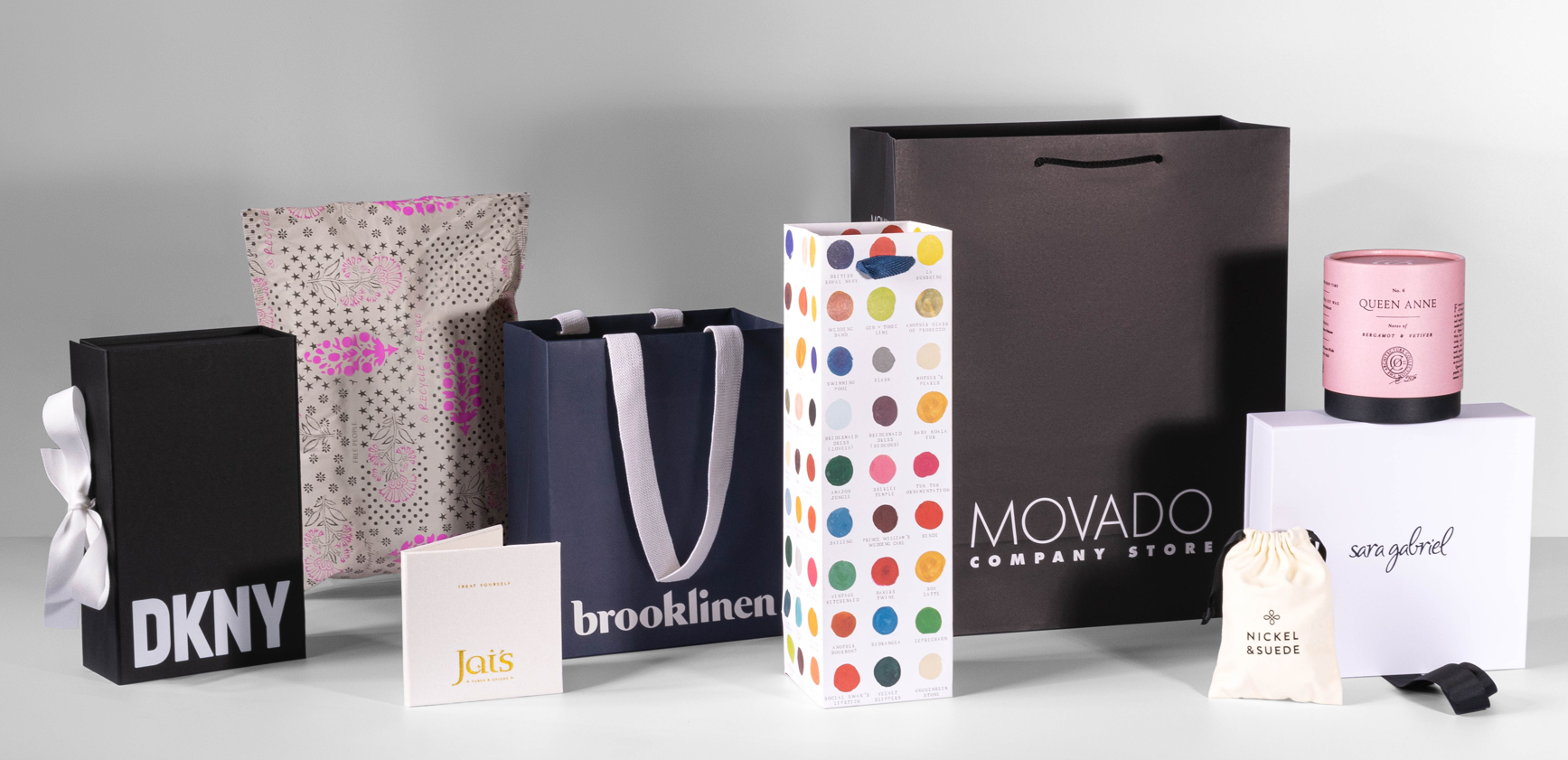
In today’s competitive marketplace, 51% of American consumers consider environmental impact when making purchasing decisions. This shift transforms packaging material selection from a mere necessity into a strategic brand differentiator.
Why Material Strategy Matters Now
The U.S. packaging landscape is evolving rapidly. Legislation such as Extended Producer Responsibility (EPR) laws now active in California, Oregon, Colorado, and Maine are reshaping material choices. Meanwhile, consumers increasingly favor brands demonstrating genuine sustainability commitments.
Your material choices directly influence:
- Product protection
- Brand perception
- Shipping costs
- Environmental impact
This makes strategic selection more crucial than ever for businesses.
The Foundation: Mastering Traditional Materials
Paper Materials: The Versatile Foundation
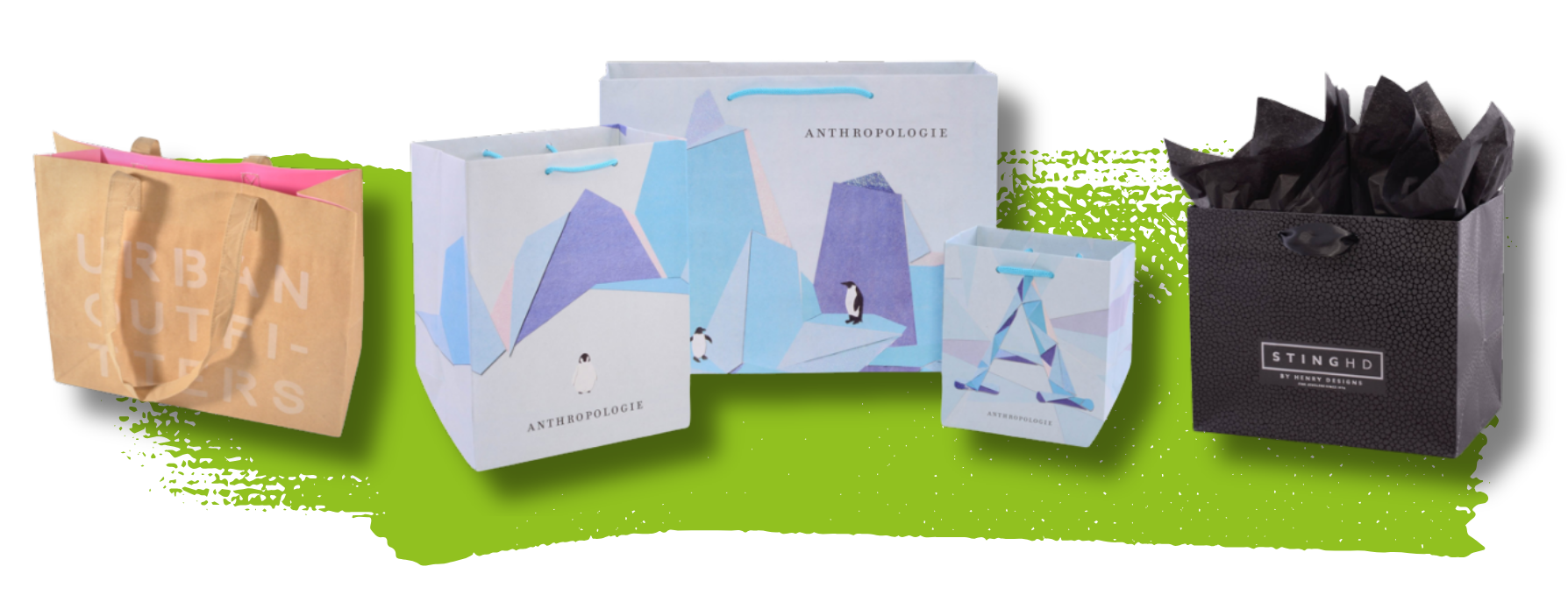
Paper is the backbone of sustainable packaging, offering a broad spectrum of options beyond basic kraft.
- Brown Kraft Paper: Perfect for eco-conscious brands with a natural, rustic look.
- White Kraft: Serves as a clean canvas for vibrant prints. Prime Line’s work with Bloomingdale’s “Just Imagine” campaign demonstrates white kraft’s potential: spot UV printing transformed shopping bags into collectible art pieces.
- Flipside Kraft and Beater Dyed Paper: Offer contrast and color consistency, respectively.
- Pearlescent and Metallic Papers: Add a premium feel without excessive cost.
- Embossed Paper: Provides a tactile dimension that enhances unboxing experiences.
Explore Prime Line’s custom paper shopping bags to see these options in action.
Fabric Materials: Durability Meets Sustainability
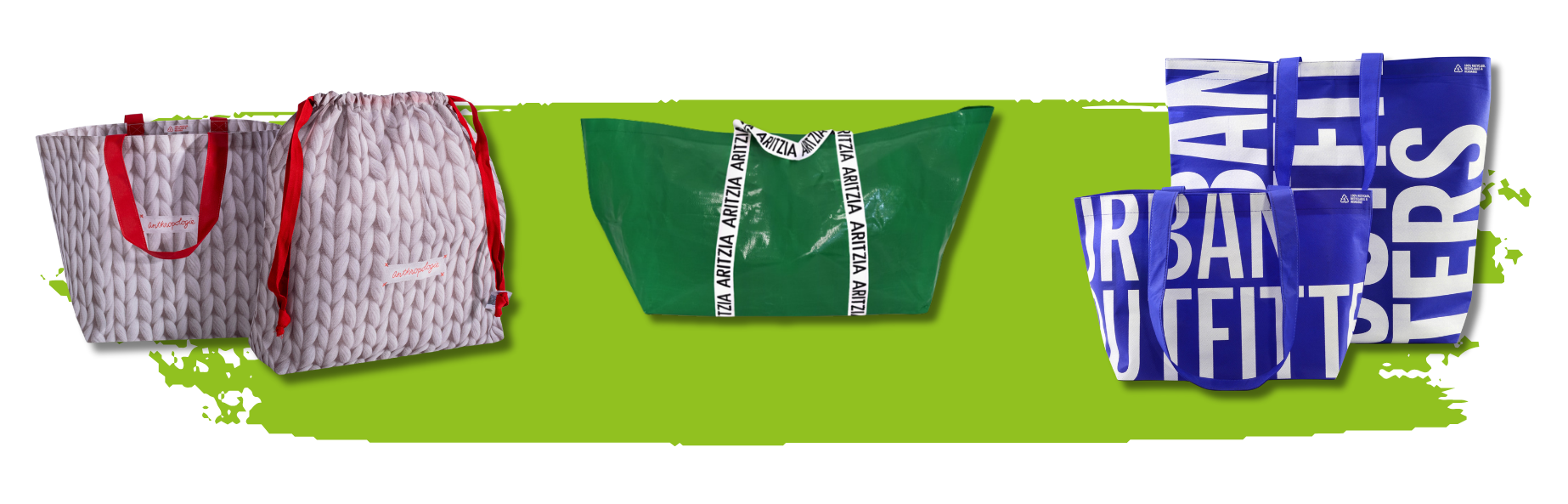
- rPET (Recycled Plastic): Converts post-consumer plastic into durable fabric.
- PP Non-Woven: Lightweight and strong, ideal for reusable shopping bags. Urban Outfitters’ shift to PP non-woven bags turned them into iconic advertising tools across US cities, delivering both style and cost savings.
Other options include:
- Cotton Canvas, Muslin, and Flannel: Offer a natural aesthetic. For example, Prime Line helped Free People develop unbleached cotton tote bags that are reusable fashion accessories, transforming customers into walking brand ambassadors.
- Nylon: Lightweight and water-resistant, suitable for durable pouches.
- Velvet and Microfiber: Elevate luxury positioning with tactile sophistication.
Protective Inserts: The Unsung Heroes
Proper interior packaging not only prevents damage but also enhances presentation:
- Paper Board Inserts: Provide structure and seamless aesthetics.
- Foam Inserts: Offer effective cushioning; modern biodegradable and recycled options address environmental concerns.
- Die-cut and Molded Inserts: Custom-shaped solutions for multi-item sets or fragile products.
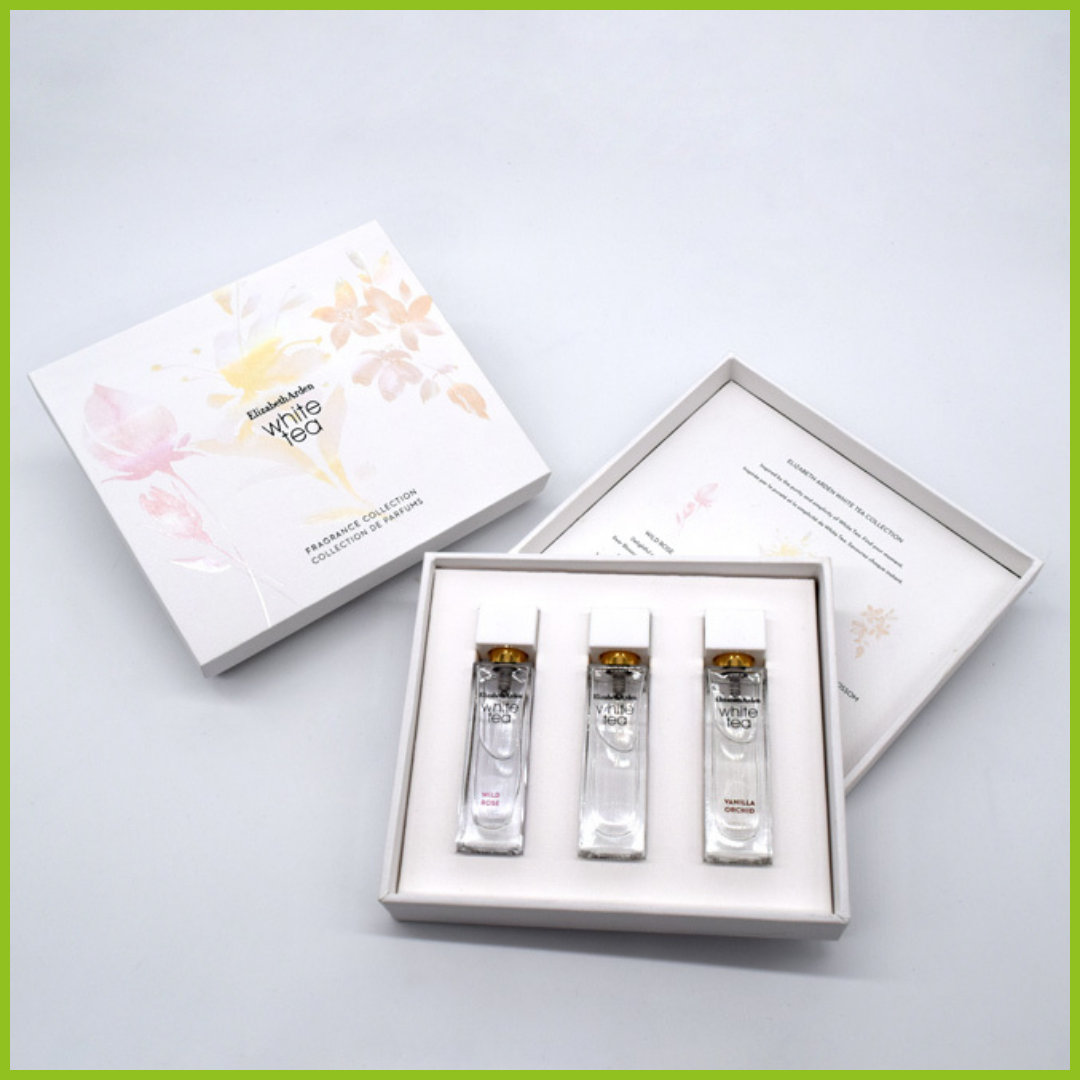
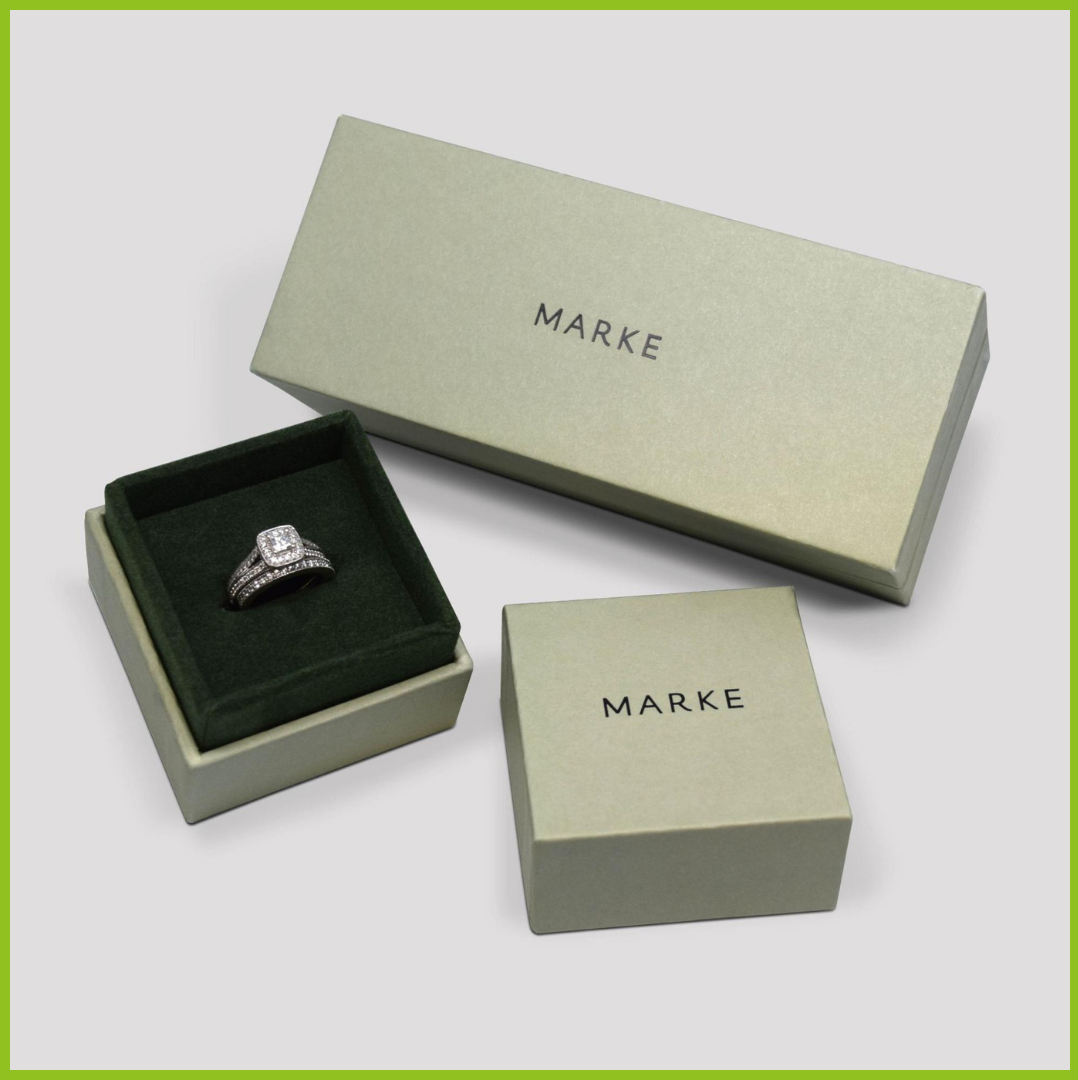
For example, Marke Jewelry partnered with Prime Line to create a complete packaging ecosystem—elegant jewelry boxes, velvet foam inserts, and sturdy corrugated shipping boxes—delivering outstanding unboxing experiences.
Heritage Materials: Rediscovering Timeless Excellence
Vellum: Translucent Sophistication
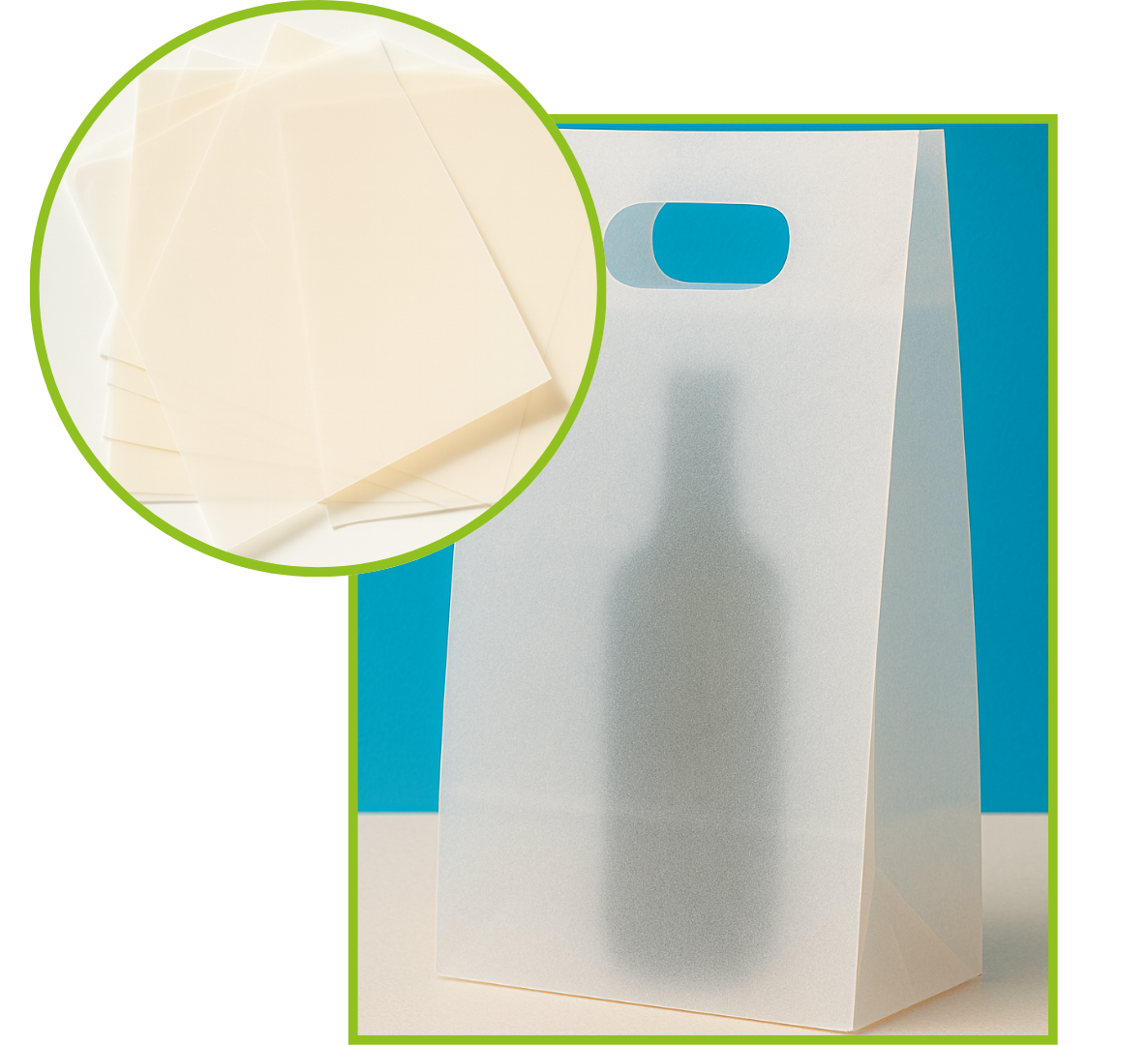
Modern vellum, a high-quality translucent paper, builds anticipation with subtle transparency. Originally made from animal skin for manuscripts, today’s vellum is engineered to replicate that effect—allowing light to pass through while maintaining strength.
Ideal for luxury cosmetics, artisanal soaps, and premium confections, vellum’s refined appearance elevates perceived value. It can be printed, embossed, or left natural, showcasing its intrinsic beauty.
Both premium tissue paper and vellum create memorable unboxing moments—soft rustles, custom colors, and a touch of mystery that reinforce brand values.
Onion Skin Paper: Lightweight Luxury
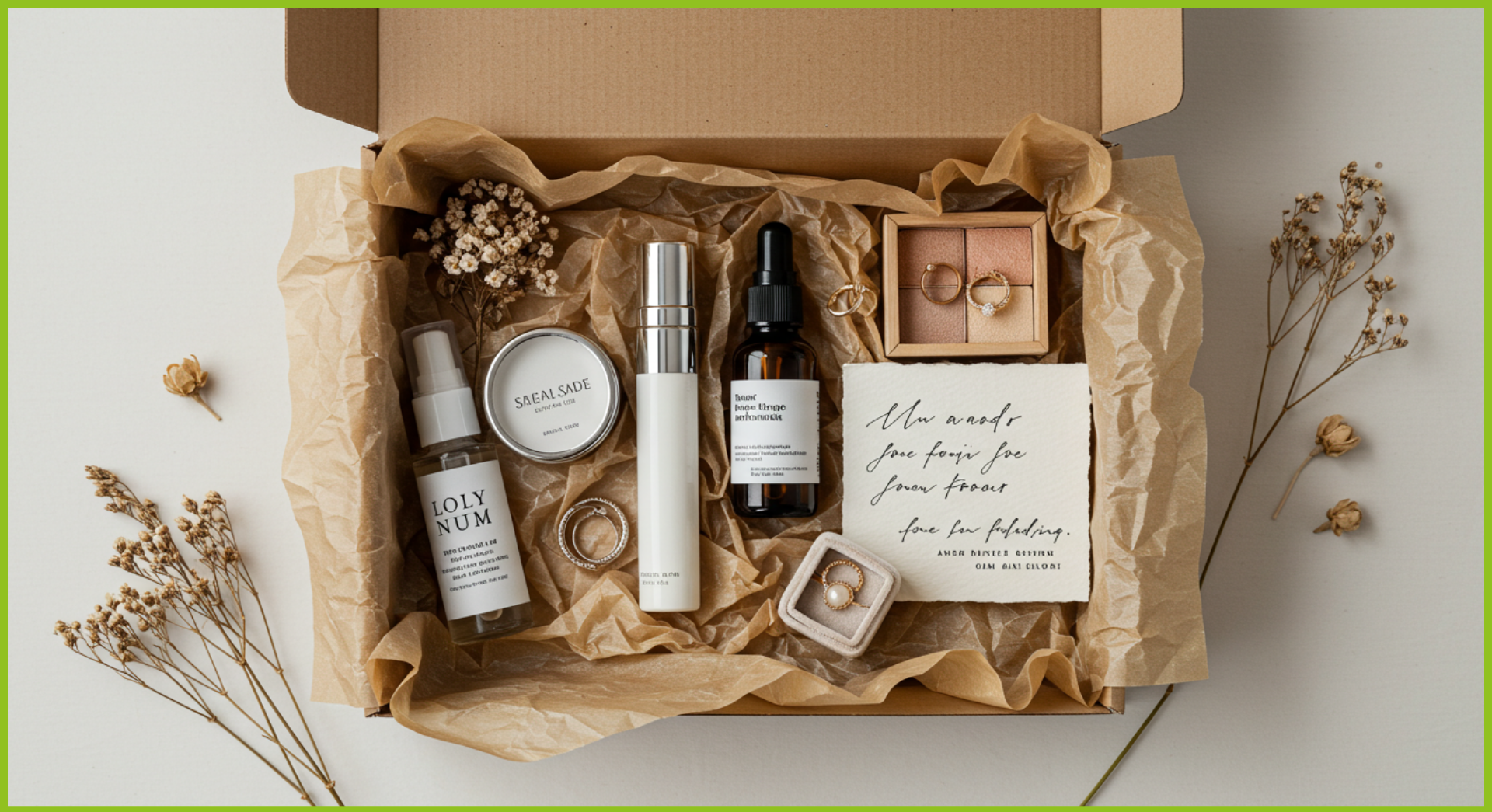
Weighing as little as 25-40 gsm, onion skin is perfect for high-end stationery, jewelry wrapping, or inner packaging layers. Its crinkle and semi-transparency add a tactile and auditory dimension, conveying refinement difficult to achieve with mass-market packaging.
Innovations include converting agricultural waste into sustainable onion skin paper with antimicrobial properties, aligning with circular economy principles.
Sheep’s Wool: Nature’s Performance Packaging
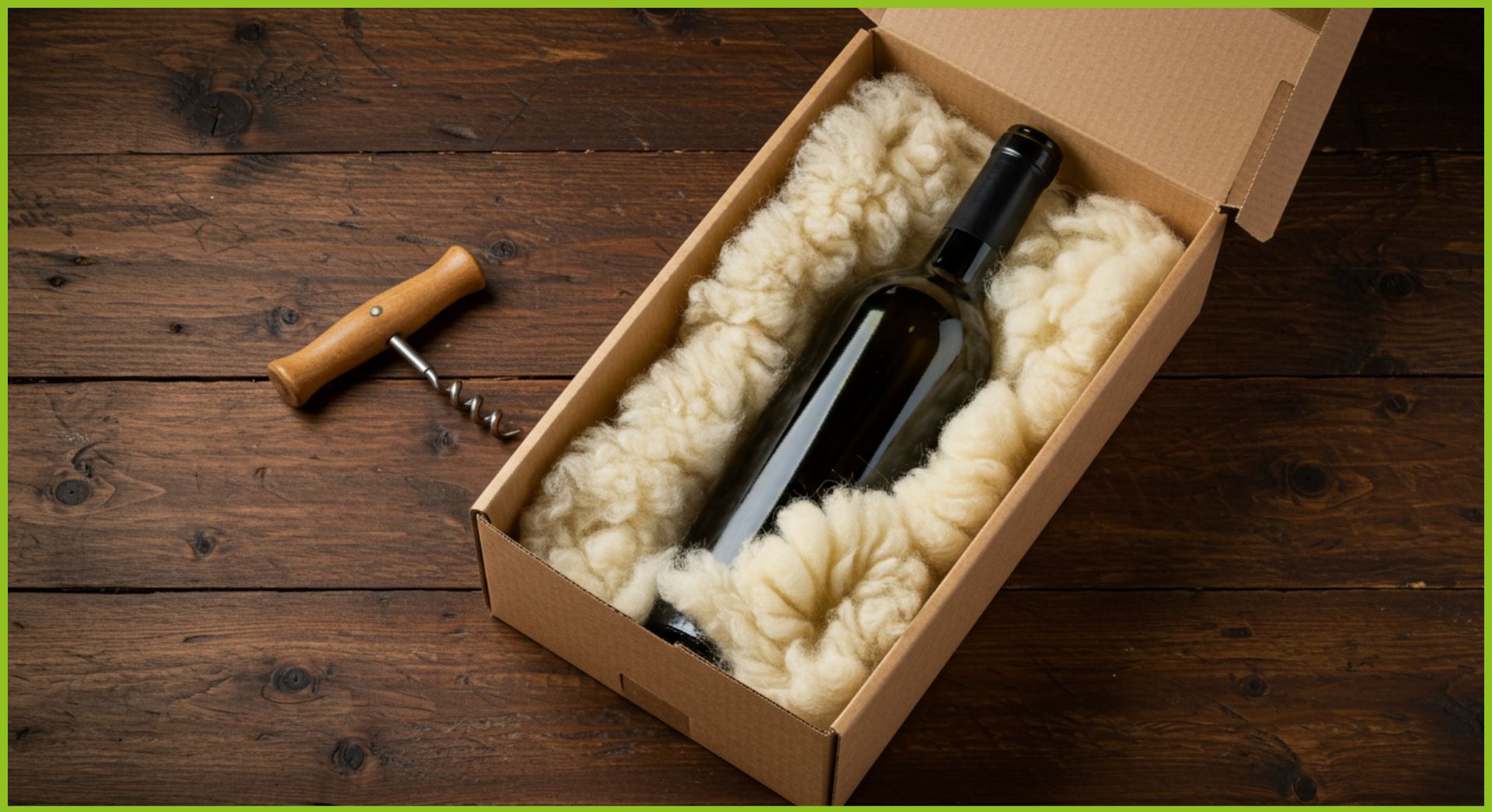
Wool-based packaging keeps products chilled for up to 48 hours—ideal for wine, artisanal foods, and temperature-sensitive brands. Wool insulation demonstrates low environmental impact, natural insulation that rivals synthetics and is completely biodegradable.
Luxury wine estates use bespoke wool cases branded with estate emblems, exemplifying wool’s performance and premium appeal. Wool also suits packaging for chocolates, organic cosmetics, and other high-end, temperature-sensitive products.
Emerging Sustainable Alternatives
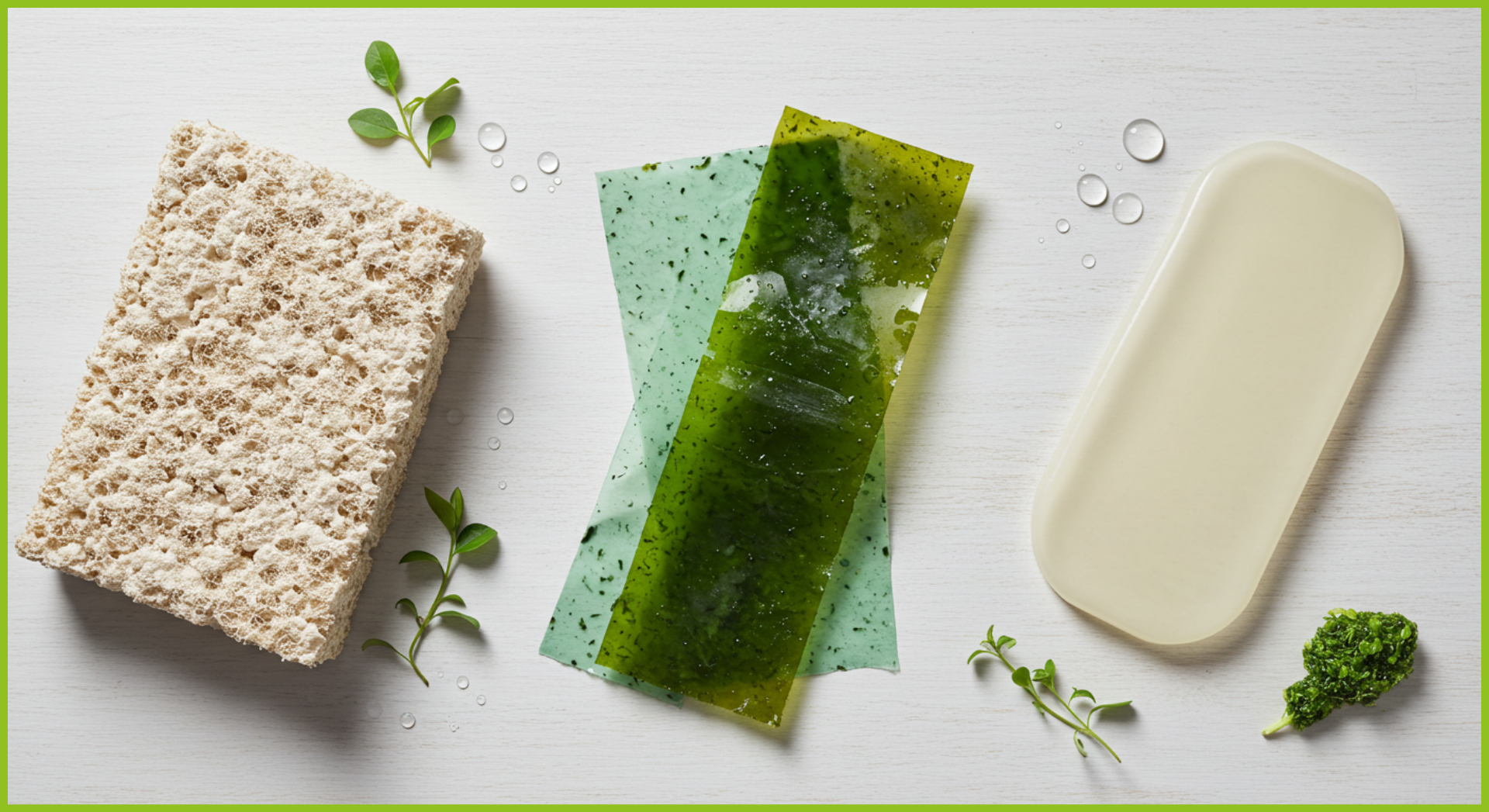
Innovations like mushroom mycelium, seaweed-based films, and bio-based plastics are expanding at a rapid pace—nearly 10% annually. These eco-friendly options resonate with consumers; in fact, 73% of American consumers are open to choosing brands offering more sustainable packaging.
Making Strategic Decisions
Successful material selection involves balancing multiple factors:
- Product Protection: Assess fragility, moisture sensitivity, and temperature needs—consider climate challenges during transit.
- Brand Alignment: Ensure materials reinforce your brand image and values.
- Total Cost Analysis: Look beyond unit costs—include labor, storage, shipping weight, and disposal. Account for state-specific EPR fees where applicable.
- Rigorous Testing: Conduct drop tests, temperature cycling, and real-world shipping trials. Small-scale pilots can reveal issues early, preventing costly mistakes.
The Hybrid Approach
Most effective packaging combines multiple materials—outer corrugated boxes for structure, luxurious tissue paper or vellum for presentation, and custom inserts like wool for cushioning and temperature stability. Each material plays a specific role while contributing to a cohesive, multisensory unboxing experience.
Your Packaging Materials Roadmap
This guide has explored the full spectrum—from foundational paper and fabric choices to innovative heritage materials and innovative sustainable solutions. The materials you select communicate your brand’s story before the customer even interacts with your product, shaping perceptions of quality, values, and identity.
Whether you’re optimizing kraft paper for authenticity, choosing reusable PP non-woven bags, incorporating vellum for luxury, or pioneering sheep’s wool for temperature-sensitive products, align your decisions with your strategic goals:
- Product protection
- Brand positioning
- Cost efficiency
- Sustainability
At Prime Line Packaging, we partner with brands to navigate these complex choices, balancing protection, presentation, sustainability, and cost. Use this guide to evaluate material options—remember, combining multiple materials often yields the best results for creating memorable customer experiences.
Ready to Explore the Right Materials for Your Brand?
Contact Prime Line Packaging to discuss how our solutions—from traditional to innovative—can elevate your packaging strategy and help differentiate your brand in the marketplace.
Related Posts
Learn More About Premium Packaging Techniques:
CMYK vs. Spot Color: Which Process is Best
The Hidden Power of Touch: Why Haptics Matter in Premium Packaging
Explore Our Strategic Partnerships:
15 Years of Strategic Partnership: How Prime Line Helped Build Free People’s Packaging Empire
Discover Packaging Strategy Insights: