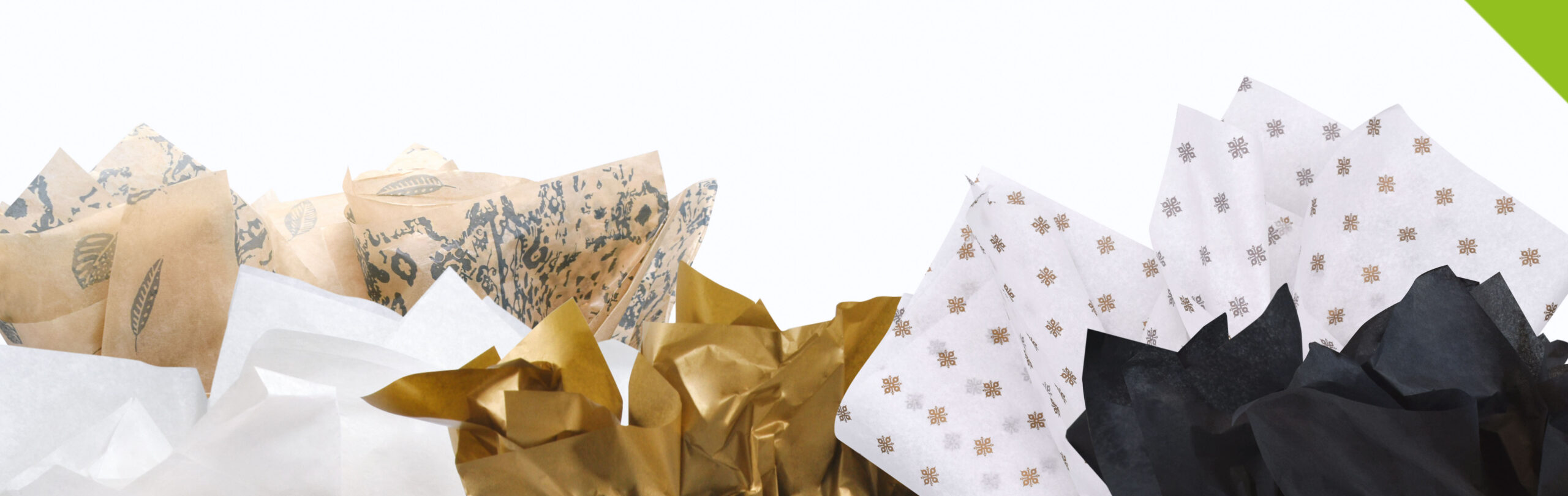
Branded Tissue Paper Packaging That Makes Every Order Feel Special
Opening a package should feel like more than reaching into a box and pulling out a product. The best packaging creates a short moment of anticipation, giving the customer time to appreciate the care behind the order. Color, texture, folding, and placement all contribute to that first impression.
Branded tissue paper packaging adds an intentional layer between the exterior container and the item inside. It can keep products organized, provide light surface protection, and create a reveal that feels closer to opening a gift. Even a simple repeating logo can make an otherwise standard box or shopping bag feel more complete.
At Prime Line Packaging, we look at tissue paper as part of the full presentation rather than an afterthought. It should complement the product, fit the container, and support the visual identity customers already associate with the brand.
How Tissue Paper Shapes The Unboxing Experience
Customers often form an opinion about an order before they inspect the product itself. They notice whether the box feels sturdy, whether the contents are arranged carefully, and whether the interior looks as polished as the exterior. Tissue paper helps connect each of those details.
The sound and feel of unfolding paper can slow the opening process in a positive way. Instead of seeing the product immediately, the customer moves through one more layer. That small pause can create anticipation and give the item a stronger reveal.
Our article about how custom logo tissue paper enhances your brand’s unboxing experience explores how tactile presentation, repeated branding, and coordinated packaging can make an order feel more memorable. Tissue paper works especially well because it engages the customer without requiring a complicated package design.
A strong presentation can also encourage customers to take photos, record an unboxing video, or show the package to someone else. The tissue paper becomes part of the image, giving the brand another chance to remain visible after delivery.
Turning A Functional Layer Into A Brand Touchpoint
Plain tissue paper can wrap an item, separate products, or fill open space. Custom printing gives that same material another job. It carries the visual identity into the package and keeps the brand present until the product is fully revealed.
A repeating logo pattern is one of the most familiar approaches, but it isn’t the only option. Companies can print icons, illustrations, short messages, seasonal artwork, or patterns based on existing brand elements. The design can be subtle and refined or colorful and expressive.
- A repeating logo can create a clean, recognizable presentation.
- A small icon can provide a quieter look for luxury or minimalist packaging.
- A custom illustration can add personality to promotional or seasonal orders.
- A short printed message can make the experience feel more personal.
- Coordinated colors can connect the tissue paper with boxes, bags, mailers, and labels.
The design shouldn’t compete with the product. It should frame the item and make the overall package feel intentional. A customer may only see the tissue for a few moments, but those moments can reinforce the look and personality of the brand.
Choosing Colors, Patterns, And Print Details
A successful tissue paper design begins with the visual system a brand already uses. Logo treatments, color references, typography, product photography, and exterior packaging can all guide the direction.
Some brands benefit from a single-color logo printed across white or neutral paper. Others may prefer a bold background color, larger graphics, or artwork created for a specific campaign. Neither approach is automatically better. The right choice depends on the product, the audience, and the desired presentation.
Logo scale and spacing deserve close attention. A logo that looks balanced on a computer screen may appear too large once the paper is folded around a small item. A pattern that looks subtle on a flat sheet may become difficult to recognize after several folds overlap.
- Logo placement should remain visible after wrapping or folding.
- Ink colors should coordinate with the surrounding package.
- Pattern density should suit the product and sheet dimensions.
- Seasonal artwork should still feel connected to the main brand.
- Print coverage should support the desired look without becoming visually crowded.
Reviewing a physical sample can answer questions that a digital proof can’t. The paper should be folded, wrapped, crinkled, and placed inside the intended box or bag before the final production decision is made.
Creating A Consistent Packaging System
Tissue paper is most effective when it feels connected to every other packaging component. The exterior package creates the first impression, while the interior materials continue the visual story.
A shopping bag, rigid box, folding carton, mailer, sticker, and sheet of tissue don’t need to use identical designs. They should still share enough color, artwork, or styling to feel like parts of one system.
A dark exterior box could open to reveal bright tissue paper that uses the same logo treatment. A neutral shopping bag might pair with a patterned sheet in the company’s signature color. Contrast can create excitement as long as the overall combination remains recognizable.
A coordinated packaging system may include:
- Custom shopping bags that introduce the brand before the package is opened.
- Rigid or folding boxes that provide structure and presentation.
- Mailers designed to carry the same colors or artwork.
- Stickers and labels that secure folded tissue paper.
- Ribbon or finishing pieces that add another point of visual consistency.
Customers may not consciously examine every design choice, but they can sense when a package feels coordinated. That cohesion creates a more professional impression and makes the brand easier to recognize across retail, ecommerce, and promotional orders.
Balancing Presentation With Product Protection
Tissue paper can provide light protection against rubbing, dust, and surface contact. It can also keep small products separated and prevent loose items from shifting around inside a package.
Its protective role has limits. Delicate, breakable, or heavy products may still require inserts, padding, dividers, or other structural materials. Tissue paper should support the presentation and packing process, not replace the protection needed for shipping.
Different product categories also require different approaches:
- Apparel may need larger sheets that provide full coverage and clean folds.
- Jewelry may benefit from smaller sheets arranged inside compact boxes.
- Cosmetics may require precise sheet sizing to avoid excessive bulk.
- Gift products may use multiple layers to create a fuller presentation.
- Fragile items may need tissue alongside stronger cushioning materials.
The sheet size should make wrapping efficient for the packing team. Sheets that are too small can create incomplete coverage, while oversized sheets may look messy or slow down fulfillment. Testing the tissue with the actual product can help establish the right dimensions and folding method.
Using Custom Tissue Paper Across Retail And Ecommerce
Customers should receive a recognizable brand experience whether they shop in person or order online. Tissue paper can help connect those two environments.
A retail customer may see the paper inside a custom shopping bag or gift box. An ecommerce customer may find the same pattern inside a shipping box or mailer. The containers are different, but the interior presentation still feels familiar.
Custom tissue paper can work across many applications:
- Boutique and department store purchases.
- Subscription boxes and recurring shipments.
- Influencer and media mailers.
- Product launch packages.
- Corporate gifts and event materials.
- Holiday and limited-edition orders.
- Customer appreciation gifts.
- Promotional kits and sample packages.
For ecommerce companies, tissue paper can make a shipping package feel less transactional. For retail brands, it can give an everyday purchase a gift-ready finish without requiring a separate wrapping process.
Common Design And Packing Mistakes To Avoid
An attractive pattern won’t produce a polished result if the sheet is difficult to use. Design and function need to support each other from the start.
Printing a logo too large is a common issue. Once the paper is folded, only fragments of the artwork may remain visible. The pattern may also appear inconsistent across packages if employees fold the sheets in slightly different ways.
Color selection can create another challenge. Ink can look different once printed on thin paper, especially when the base sheet isn’t bright white. Samples and accurate color references can reduce surprises.
Other mistakes include:
- Choosing sheets that are too small for the product.
- Adding too many graphics to a limited print area.
- Overlooking the time required to fold each order.
- Using tissue as the only protection for fragile products.
- Approving artwork without testing it at full size.
- Ordering too close to a major launch or holiday deadline.
The strongest packaging designs look good and work well in a real packing environment. Employees should be able to create a consistent presentation without struggling with awkward sizing or complicated folds.
Planning A Custom Tissue Paper Project
Clear project details make it easier to recommend suitable paper, printing, and sizing options. A brand should begin with the product, the container, and the experience it wants to create.
Accurate product and package dimensions are especially important. A sheet intended for a small jewelry box won’t perform the same way inside a large apparel package. Order volume, packing method, artwork coverage, and delivery dates can also affect the final specifications.
Before starting a project, gather:
- Final logo files or print-ready artwork.
- Accurate brand color references.
- Product and package dimensions.
- Estimated quantities.
- Preferred paper weight and print coverage.
- Launch dates or seasonal deadlines.
- Examples of related packaging components.
It also helps to consider the full packaging system from the beginning. Tissue paper may need to coordinate with a rigid box, shopping bag, folding carton, pouch, or custom mailer. Looking at those pieces together can create a more cohesive result.
Give Every Product A Better Presentation
Tissue paper occupies an important space in the unboxing process. It’s the layer customers see immediately before reaching the product, which gives it a valuable role in building anticipation and reinforcing brand identity.
Branded tissue paper packaging can make everyday orders feel more carefully prepared without adding unnecessary complexity. The right artwork, colors, sizing, and folding method can support presentation while helping each package feel consistent.
Prime Line Packaging can help evaluate materials, print options, sheet dimensions, order quantities, and complementary packaging products. Start a project with our team to create a packaging experience that feels connected from the exterior container to the final product reveal.
Frequently Asked Questions About Branded Tissue Paper Packaging
What Is Branded Tissue Paper Packaging?
It’s tissue paper printed with a company’s logo, artwork, color palette, pattern, or message. Brands can use it inside boxes, shopping bags, mailers, and other product packaging. It supports presentation while creating another visible connection between the customer and the company.
How Does Custom Tissue Paper Improve Product Packaging?
Custom tissue paper adds an extra stage to the opening process and gives the product a more polished reveal. It can separate items, offer light surface protection, and keep brand colors or artwork visible inside the package. The added layer can make a standard order feel more personal and carefully prepared.
Can A Logo Be Printed In A Repeating Pattern?
Yes, repeating logo patterns are commonly used on custom tissue paper. Logo size, spacing, orientation, and ink color can all be adjusted to suit the sheet and product dimensions. Reviewing the artwork at full scale helps confirm that the logo will remain recognizable after the paper is folded.
What Colors Can Be Used On Custom Tissue Paper?
Color options depend on the paper, artwork, printing method, and individual project requirements. Brands may choose subtle single-color printing, stronger contrasting combinations, or designs created around seasonal campaigns. Accurate color references and physical samples can help produce a result that coordinates with the rest of the package.
What Size Tissue Paper Should A Brand Order?
The correct sheet size depends on the product dimensions, interior package size, wrapping method, and desired coverage. A sheet that’s too small may not wrap the item cleanly, while an oversized sheet can create unnecessary bulk. Testing sample sizes with the real product is one of the best ways to select the right dimensions.
Can Tissue Paper Be Used Inside Shipping Boxes?
Yes, tissue paper can improve organization and presentation inside ecommerce shipping boxes. It can wrap products, separate items, and create a more polished opening experience. Fragile products may still require inserts, padding, or other protective materials designed for transit.
Is Custom Tissue Paper Suitable For Retail Stores?
Custom tissue paper works well inside shopping bags, gift boxes, apparel packaging, jewelry boxes, and other retail containers. It can help create consistency between an in-store purchase and an order shipped to a customer’s home. The design can also coordinate with stickers, ribbon, bags, and exterior boxes.
How Far In Advance Should Custom Tissue Paper Be Ordered?
Production timing can vary based on artwork approval, paper selection, printing requirements, quantity, and shipping needs. Brands planning for holidays, launches, or promotional events should begin the process early. Sharing the required delivery date at the start allows the packaging team to discuss realistic production options.
How Can A Brand Start A Custom Tissue Paper Project?
Start with the logo or artwork, brand colors, package dimensions, estimated quantity, and target delivery date. It’s also helpful to provide information about the product and any boxes, bags, or mailers that will be used with the tissue paper. Prime Line Packaging can then help review materials, printing choices, sizing, and related packaging components.